Reverse Osmosis Home Water Filter Ratings
- Published:
- Updated: February 17, 2025
Listen to this article
Summary
Reverse osmosis (RO) systems are an efficient way to purify water by removing harmful contaminants. When evaluating home RO water filters, key factors like filtration efficiency, flow rate, system longevity, and cost of maintenance should be considered to make the best choice for your household’s needs. Additionally, it’s important to assess the specific contaminants you want to remove, as different systems may target varying impurities. For those seeking a more holistic approach to water purification, exploring the best natural water filtration methods can complement an RO system, providing an extra layer of safety and improving taste. Ultimately, understanding your water quality and your household’s consumption patterns will help you select the most suitable RO system for your needs.
- Filtration Efficiency: RO systems remove contaminants like lead, arsenic, and fluoride. Systems achieving 95% efficiency or higher are ideal for ensuring clean water.
- Flow Rate and Storage: It’s important to match the system’s flow rate and storage capacity to your household’s water consumption needs, ensuring a steady supply of purified water.
- Maintenance and Longevity: Regular maintenance, including filter replacements, is essential for maintaining system efficiency and longevity. Investing in high-quality components can reduce long-term costs.

Reverse osmosis is a water purification technology that uses a semipermeable membrane to remove ions, molecules, and larger particles from drinking water. In household applications, RO systems are primarily used to improve water quality by eliminating contaminants such as lead, arsenic, nitrates, and fluoride, among others. This process is both efficient and effective, making it a popular choice for homeowners seeking to enhance their water quality.
The Science Behind Reverse Osmosis
Reverse osmosis operates on the principle of using pressure to force water molecules through a semipermeable membrane. This membrane selectively allows the passage of water molecules while blocking the majority of dissolved salts, organic matter, bacteria, and pyrogens. The result is purified water that is substantially free from contaminants.
Osmotic Pressure and Its Role
The process of osmosis naturally involves the movement of water from a region of low solute concentration to high solute concentration through a semipermeable membrane. Reverse osmosis, on the other hand, applies external pressure to reverse this flow, overcoming the natural osmotic pressure and enabling purification. Understanding this scientific principle is crucial for comprehending how RO systems effectively separate impurities from water.
Membrane Technology: The Heart of RO Systems
The semipermeable membrane is the core component of any RO system. These membranes are typically made from thin-film composite materials that offer high rejection rates for contaminants. They are designed to be highly selective, allowing only water molecules to pass through while retaining a wide array of impurities. The durability and effectiveness of these membranes are pivotal in determining the overall performance of an RO system.
Factors Affecting Membrane Performance
Several factors influence the performance and efficiency of RO membranes, including water temperature, pressure, and the quality of the feed water. Higher temperatures can enhance the permeability of membranes, while increased pressure can improve the rejection rates of contaminants. Regular monitoring and maintenance are essential to ensure that these factors remain optimal for the membrane’s functioning.
Evaluating Reverse Osmosis Home Water Filter Ratings
When assessing reverse osmosis home water filter ratings, several critical factors must be considered to ensure that you select a system that meets your specific needs.
Filtration Efficiency
The efficiency of a reverse osmosis system is measured by its ability to remove contaminants from water. This is typically expressed as a percentage, indicating the proportion of impurities removed from the water. A high-quality RO system should achieve a filtration efficiency of 95% or higher.
Key Contaminants Removed by RO Systems
Reverse osmosis systems are capable of removing a wide range of contaminants, including heavy metals like lead and mercury, volatile organic compounds (VOCs), and microorganisms. Understanding which contaminants are most relevant to your local water supply can help prioritize features in your chosen RO system. Knowing the specific impurities tackled by RO systems aids in making a more tailored choice.
Measuring Filtration Efficiency: Standards and Testing
Filtration efficiency is often evaluated through standardized tests that simulate real-world conditions. These tests help in benchmarking different systems against established performance criteria. Familiarity with these standards, such as NSF/ANSI certifications, can provide additional assurance of a system’s capability to effectively purify water.
Real-World Performance vs. Laboratory Results
While laboratory tests provide valuable insights, real-world conditions can vary significantly. Factors such as water pressure, temperature, and usage patterns can affect the performance of an RO system in daily use. Therefore, considering real-world performance and user feedback is crucial for a holistic understanding of a system’s efficiency.
Flow Rate and Storage Capacity
The flow rate of an RO system refers to the volume of water that can be filtered over a specified period. It is crucial to choose a system with an adequate flow rate to ensure a sufficient supply of filtered water for your household. Additionally, the storage capacity of the system’s tank should align with your daily water consumption needs.
Calculating Household Water Needs
To select an RO system with an appropriate flow rate, it is essential to estimate your household’s daily water consumption. Factors such as the number of family members, lifestyle, and water-intensive activities should be considered. This calculation can help ensure that your chosen system provides an adequate supply of purified water throughout the day.
Importance of Adequate Storage Capacity
A well-sized storage tank ensures that filtered water is readily available even during peak consumption times. The storage capacity should be balanced with the flow rate to prevent shortages or unnecessary strain on the system. Evaluating your daily water usage patterns can guide you in choosing a tank size that meets your needs.
Impact of Flow Rate on System Longevity
While a higher flow rate can be advantageous for meeting immediate water demands, it can also affect the longevity of the system’s components. A system that operates at a higher flow rate may experience more wear and tear, necessitating more frequent maintenance. Finding a balance between flow rate and system longevity is key to maximizing your investment.
System Longevity and Maintenance
The longevity of a reverse osmosis system is influenced by the quality of its components and the frequency of maintenance required. Regular maintenance, including membrane and filter replacement, is essential to ensure the system continues to function effectively.
Components That Affect Longevity
The durability of various components, such as the membrane, pre-filters, and post-filters, plays a significant role in determining the lifespan of an RO system. High-quality materials can withstand prolonged use and reduce the frequency of replacements. Investing in systems with robust components can lead to long-term savings and consistent performance.
Importance of Regular Maintenance
Routine maintenance is critical to preserving the efficiency and longevity of an RO system. This includes periodic filter and membrane replacement, cleaning of storage tanks, and inspection of fittings for leaks. Establishing a regular maintenance schedule can help preemptively address issues and prolong the life of the system.
Cost Implications of Maintenance
While regular maintenance incurs costs, it is a necessary investment for the continued effectiveness of an RO system. The expenses associated with replacements and repairs should be factored into the total cost of ownership. Budgeting for maintenance can help ensure that the system remains a viable solution for your water purification needs.
Best Reverse Osmosis Systems: A Comparative Analysis
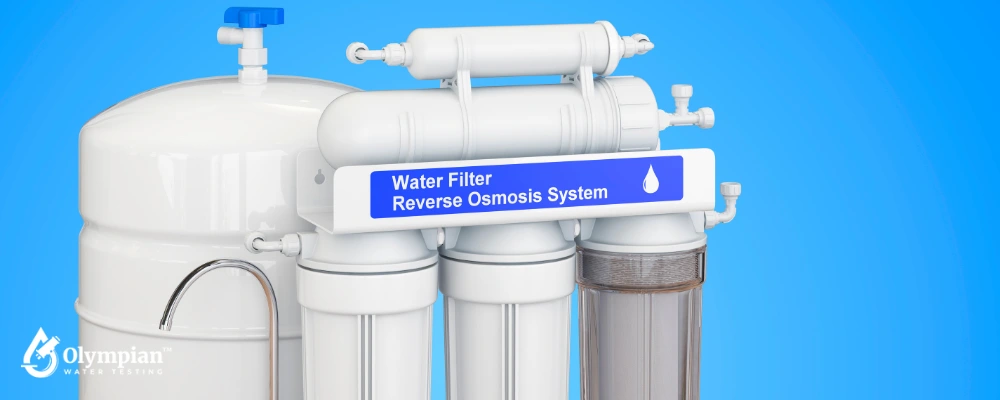
To assist you in making an informed decision, we have analyzed and rated some of the leading reverse osmosis systems available on the market. These systems have been evaluated based on their filtration efficiency, flow rate, ease of maintenance, and overall customer satisfaction. Our comprehensive analysis highlights the unique features and performance metrics of each system, allowing you to compare options effectively. Additionally, understanding the reverse osmosis water benefits, such as improved taste and purity, can significantly enhance your hydration experience. By investing in a quality reverse osmosis system, you can ensure that you and your family have access to clean and healthy drinking water.
APEC Top Tier 5-Stage Ultra Safe Reverse Osmosis System
The APEC Top Tier 5-Stage Ultra Safe Reverse Osmosis System is renowned for its exceptional filtration efficiency and reliability. It boasts a five-stage filtration process that effectively removes up to 99% of contaminants. The system is designed for easy installation and maintenance, making it an excellent choice for homeowners seeking a low-maintenance option.
Key Features and Benefits
The APEC system’s five-stage filtration includes a sediment filter, carbon block filters, and a high-rejection RO membrane. This comprehensive approach ensures the removal of a broad spectrum of contaminants. Its user-friendly design simplifies installation and reduces the need for professional assistance, making it accessible for most homeowners.
Customer Feedback and Satisfaction
Customer reviews highlight the APEC system’s consistent performance and reliability. Users appreciate the taste improvement in their water and the system’s durability over time. High satisfaction rates underscore the system’s reputation as a dependable choice for home water purification.
Installation and Maintenance Considerations
The APEC system’s straightforward installation process is a major selling point. Its modular components allow for easy maintenance and filter replacements. Guidance from the manufacturer’s instructions, along with available customer support, can facilitate a hassle-free setup and upkeep.
iSpring RCC7AK 6-Stage Reverse Osmosis System
The iSpring RCC7AK 6-Stage Reverse Osmosis System stands out for its ability to restore alkalinity and mineral balance in the filtered water. This system includes a remineralization filter that adds beneficial minerals back into the water, resulting in improved taste and quality. Its high capacity and efficient performance make it a popular choice among consumers.
Remineralization Feature Explained
The iSpring system’s remineralization stage reintroduces essential minerals like calcium and magnesium into the filtered water. This process not only enhances the taste but also maintains the health benefits associated with mineral-rich water. Understanding the importance of remineralization can help consumers appreciate the added value this system offers.
Consumer Experiences and Reviews
Users of the iSpring system frequently report satisfaction with the water’s taste and the system’s overall performance. Positive reviews often mention the ease of installation and the system’s ability to meet the demands of larger households. Such feedback can be instrumental in guiding potential buyers toward a system that aligns with their preferences.
Long-Term Performance and Reliability
The iSpring system’s robust construction and thoughtful design contribute to its long-term reliability. Regular maintenance, as recommended by the manufacturer, can ensure that the system continues to deliver high-quality water. Evaluating the system’s performance over time can provide peace of mind for consumers seeking a durable solution.
Home Master TMAFC-ERP Artesian Full Contact Undersink Reverse Osmosis Water Filter System
The Home Master TMAFC-ERP Artesian Full Contact System is praised for its innovative design and comprehensive filtration process. It features a modular filter design for easy replacement and maintenance, as well as a permeate pump to reduce water waste. This system is ideal for households seeking an eco-friendly option without compromising on water quality.
Eco-Friendly Features and Benefits
The Home Master system’s permeate pump is designed to minimize water waste, making it an environmentally conscious choice. This feature reduces the system’s overall water consumption, aligning with sustainability goals. Understanding the eco-friendly aspects of this system can appeal to environmentally conscious consumers.
User Testimonials and Satisfaction
Users of the Home Master system frequently commend its water-saving capabilities and the quality of the filtered water. Testimonials often highlight the system’s ease of use and the positive impact on household water consumption. Such endorsements can guide potential buyers in selecting a system that aligns with their values and needs.
Installation and Maintenance Insights
The modular design of the Home Master system simplifies both installation and maintenance. Its user-friendly components allow for straightforward filter replacements and system upkeep. Following the manufacturer’s guidelines can ensure that the system remains effective and efficient over the long term.
Practical Advice for Choosing the Right System
When selecting a reverse osmosis system for your home, consider the following practical tips to ensure you choose the best option for your water quality needs:
- Assess Your Water Quality: Conduct a water quality test to identify the specific contaminants present in your water supply. This will help you choose a system designed to address those particular impurities.
- Understanding Local Water Issues: Different regions face unique water quality challenges, such as high levels of certain minerals or industrial pollutants. Familiarizing yourself with these issues can help prioritize features in your chosen RO system.
- Testing Methods and Resources: Home testing kits and professional water analysis services are available to help assess water quality. These resources can provide detailed insights into the specific impurities present in your water supply.
- Interpreting Test Results: Understanding the results of your water quality test is crucial for selecting an appropriate RO system. Pay attention to the levels of contaminants and compare them to safe drinking water standards.
- Determine Your Household Needs: Consider the number of people in your household and your daily water consumption to determine the appropriate flow rate and storage capacity for your system.
- Evaluating Family Size and Water Usage: Larger households typically require systems with higher flow rates and larger storage capacities. Consider your family’s water consumption habits when choosing a system.
- Lifestyle Factors Impacting Water Needs: Activities such as cooking, cleaning, and gardening can significantly impact daily water usage. Taking these factors into account can help ensure that your chosen system meets your needs.
- Planning for Future Needs: Anticipating changes in household size or lifestyle can guide you in selecting a system that accommodates potential future demands.
- Research Product Reviews: Read customer reviews and ratings to gain insights into the performance and reliability of different systems. Pay attention to feedback regarding ease of installation and maintenance.
- Identifying Reliable Sources: Seek out reviews from reputable sources, such as consumer advocacy organizations and verified purchasers. These reviews can provide unbiased insights into a system’s performance.
- Analyzing Trends in Feedback: Look for common themes in customer reviews, such as recurring issues or frequently praised features. Understanding these trends can help you make a more informed decision.
- Balancing Positive and Negative Feedback: Consider both positive and negative feedback to gain a comprehensive understanding of a system’s strengths and weaknesses. This balanced approach can guide you in selecting a system that aligns with your priorities.
- Consider Long-Term Costs: Factor in the cost of replacement filters and maintenance when evaluating the overall cost of a reverse osmosis system. A higher initial investment may be justified by lower long-term expenses and superior performance.
- Understanding Total Cost of Ownership: Beyond the initial purchase price, consider ongoing expenses such as filter replacements and maintenance. Evaluating these costs can help you choose a system that fits your budget over the long term.
- Comparing Cost-Effectiveness of Different Systems: Some systems may have higher upfront costs but offer greater efficiency and durability. Weighing these factors against lower-cost options can help you make a financially sound decision.
- Budgeting for Maintenance and Replacements: Planning for regular maintenance expenses can ensure that your RO system remains effective and efficient. Establishing a budget for these costs can prevent unexpected financial burdens.
Conclusion
In conclusion, reverse osmosis home water filters are an essential tool for ensuring clean, safe drinking water in today’s world. By understanding the key factors that influence reverse osmosis home water filter ratings and considering the specific needs of your household, you can make an informed decision about the best system for your home. Whether you choose the APEC Top Tier, iSpring RCC7AK, or Home Master TMAFC-ERP, each of these systems offers a reliable solution for improving water quality and safeguarding your family’s health. Your commitment to excellence in water quality analysis will undoubtedly guide you in making the best choice for your needs.
The Importance of Investing in Water Quality
Investing in a high-quality RO system is an investment in your family’s health and well-being. Clean, purified water is essential for hydration, cooking, and other daily activities. By prioritizing water quality, you contribute to a healthier lifestyle and reduce the risk of waterborne illnesses.
Future Trends in Water Filtration Technology
As technology advances, RO systems continue to evolve, offering improved efficiency and new features. Staying informed about emerging trends and innovations in water filtration can help you make future-proof decisions. Embracing these advancements can enhance your water purification experience and ensure long-term satisfaction.
Encouraging a Culture of Water Conservation
Beyond improving water quality, RO systems can play a role in promoting water conservation. By selecting systems with features like permeate pumps and efficient designs, you contribute to sustainable water usage. Encouraging others to adopt eco-friendly practices can amplify the positive impact on the environment.
Share this on social media:
Facebook
Twitter
LinkedIn

Related Posts