The Significance of Rooftop Water Towers in Urban Architecture
Rooftop water towers are essential for urban water systems, providing a steady water supply and pressure for high-rise buildings. They are critical for maintaining water pressure, even during power outages. By running pumps at night, when electricity is cheaper, cities save on costs and reduce pump wear.
Water towers are also key to fire safety, acting as a quick water source for firefighters. In crowded cities, fast access to water is vital for emergency response. Strategically placed, these towers ensure firefighters have the resources needed to tackle high-rise fires effectively.
| City | Estimated Number of Rooftop Water Tanks |
|---|---|
| New York City | 5,000 to 25,000 |
Over time, water towers have become architectural icons, shaping urban skylines. In cities like New York, they symbolize the city’s architectural heritage. With 5,000 to 25,000 tanks in New York City, about 100 are listed on the U.S. National Register of Historic Places.
Water towers have also inspired creative design solutions. For instance, a New York City penthouse was built inside a water tower, showing a trend of repurposing old industrial spaces. This example highlights the versatility of water towers in modern urban design.
The Upper East Side penthouse built inside a water tower represents a trend of up-cycling old industrial buildings into residential spaces, reflecting a growing urban redevelopment movement.
As cities expand, the importance of rooftop water towers in urban design remains significant. These structures ensure the reliability and safety of water systems and serve as reminders of a city’s industrial history and adaptability.
Embracing the Industrial Aesthetic: Exposing Rooftop Water Towers as Design Features
In contemporary architecture, a trend celebrates the raw beauty of industrial structures, like rooftop water towers. Architects and designers now incorporate these structures into buildings, embracing the industrial look. They expose utilities that keep cities running.
Water towers have been part of urban landscapes for over 200 years. The oldest date back to the 1800s. Once seen only as practical, they’re now valued for their architectural beauty. By adding water towers to modern buildings, architects blend form and function. This highlights the importance of these structures in the city’s fabric.
Celebrating the Raw Beauty of Utilitarian Structures
Exposed water towers add a unique touch to contemporary buildings. Their raw, unfinished look contrasts with modern facades. This mix of old and new, rough and refined, creates a visually appealing architectural composition.
A prime example is the 1896 London water tower turned into a stunning residence. The £2 million renovation made it a six-story home with five double bedrooms, three bathrooms, and 64 windows. It shows the beauty in reusing industrial structures.
Incorporating Water Towers into the Architectural Composition
Architects are finding creative ways to include water towers in building designs. They ensure these structures are a key part of the architecture. By considering placement, scale, and materials, designers create a cohesive and striking look.
In some cases, water towers are preserved and repurposed, like the Belgian tower built from 1938 to 1941. Decommissioned in 1974, it stood empty until 2007. The renovation kept the original water basin, blending industrial past with modern living.
| Location | Original Construction | Conversion Year | Unique Features |
|---|---|---|---|
| London, UK | 1896 | 2011-2018 | Six floors, 64 windows, 5 bedrooms, 3 bathrooms |
| Antwerp, Belgium | 1938-1941 | 2007 | Retains 250,000-litre water basin, translucent glass panels |
| Germany | Not specified | Not specified | Nine levels, 2-level extension, 110 ft. rooftop garden |
By embracing the industrial look and exposing rooftop water towers, architects preserve history. They create buildings that are visually striking and relevant to their context. This celebrates the beauty of utilitarian elements.
Integrating Water Towers with Building Facades: Material and Color Choices
Integrating rooftop water towers into modern buildings’ design requires thoughtful material and color selection. Architects must consider the building’s exterior finish. They decide whether to complement it or create a striking contrast.
Complementing the Building’s Exterior Finish
To integrate water towers, architects choose materials and colors that blend with the facade. Selecting finishes that match the existing exterior creates a harmonious composition. The water tower then appears as a natural part of the design. This often involves using similar cladding materials, such as:
- Brick or stone veneer
- Metal panels in coordinating colors
- Stucco or concrete finishes
Creating Visual Contrast for Dramatic Effect
Architects may choose to make the water tower stand out by using contrasting materials or bold colors. This approach creates a striking element that draws the eye. It adds interest to the building’s silhouette. Popular choices for contrast include:
| Material | Color Options | Effect |
|---|---|---|
| Cor-Ten steel | Rich, rusty hues | Industrial, weathered appearance |
| Stainless steel | Polished or brushed finish | Modern, sleek aesthetic |
| Painted metal | Bright, bold colors | Eye-catching, playful contrast |
Using Lighting to Enhance Water Tower Aesthetics at Night
Exterior lighting design is key to water tower integration. Strategically illuminating the water tower at night creates a captivating display. Effective lighting techniques include:
- Uplighting to highlight the water tower’s form and texture
- Color-changing LED lights for dynamic, programmable effects
- Backlighting to create a glowing silhouette against the night sky
As renowned architect Frank Lloyd Wright said,
"Form and function should be one, joined in a spiritual union."
By selecting materials, colors, and lighting carefully, architects ensure water towers enhance modern buildings’ beauty and function. This creates a harmonious union of form and purpose.
Designing Water Towers as Sculptural Elements
Rooftop water towers, once just functional, are now seen as sculptural water towers. They blend utility with artistic flair. Architects and designers are turning these iconic structures into stunning architectural art. This adds visual appeal and character to urban landmarks.
Designers are experimenting with unique forms, materials, and finishes. This pushes the limits of what a water tower can be. These sculptural elements not only fulfill their practical role but also spark conversations. They define the urban skyline with bold statements, ranging from sleek to whimsical designs.
The water tower atop the Congregation Kol Emeth synagogue in Palo Alto, California, is a prime example. It’s the first LEED Platinum building of its kind. This iconic structure beautifully combines sustainable design with artistic flair. Its curved, organic form complements the building’s architecture, standing out as a striking urban landmark.
In Basel, Switzerland, the Novartis Pavilion showcases another innovative approach. It features a zero-energy media façade. This combines art and sustainable architecture through organic photovoltaic technology. The water tower becomes a dynamic canvas, turning the urban landmark into an interactive experience for all who pass by.
As cities grow and embrace sustainable architecture, sculptural water towers will become more vital. These iconic structures offer essential water storage and enrich our cities’ artistic and cultural scenes. They make cities more vibrant, engaging, and memorable urban landmarks.

Green Roofs and Rooftop Gardens: Incorporating Water Towers into Sustainable Landscapes
Urban areas are increasingly focusing on sustainability and environmental awareness. This shift has led to the popularity of green roofs and rooftop gardens. These sustainable landscaping solutions improve building aesthetics, energy efficiency, stormwater management, and biodiversity. A key element in successful designs is the use of water towers for rainwater harvesting and irrigation systems.
Utilizing Water Towers for Rainwater Harvesting and Irrigation
Water towers are essential for the functionality and sustainability of green roofs and rooftop gardens. They collect and store rainwater, providing a reliable water source for irrigation. This reduces reliance on municipal water supplies. Rainwater harvesting systems direct roof-collected water to the water tower for storage until needed. Additionally, the impact of roof water towers is significant in mitigating stormwater runoff, helping to alleviate pressure on urban drainage systems during heavy rainfall events. By storing excess rainwater, these towers can release it gradually, reducing the risk of flooding in surrounding areas. Moreover, the use of water from these towers not only supports plant health in green roofs and rooftop gardens but also promotes biodiversity and enhances urban ecosystems. Furthermore, the impact of roof water towers extends beyond just irrigation; they can also improve the thermal performance of buildings by providing natural insulation. By maintaining moisture levels in green spaces, these structures contribute to lower urban temperatures, which is crucial for combating the heat island effect in cities. Additionally, incorporating greenery with the aid of water towers not only beautifies urban landscapes but also fosters habitats for various species, further emphasizing the importance of the impact of roof water towers in creating sustainable urban environments.
This approach conserves water and reduces stormwater runoff, easing the load on urban drainage systems. The size and type of water tower needed vary based on the landscaping system’s dimensions and requirements. For instance, extensive green roofs may need smaller water towers than intensive systems.
Creating Harmonious Compositions with Vegetation and Hardscaping
Integrating water towers into green roofs and rooftop gardens requires harmonious compositions. Designers must balance these elements with vegetation and hardscaping. Strategies include:
- Choosing vegetation that complements the water tower’s architectural style and materials, such as climbing vines or cascading plants.
- Incorporating hardscaping elements like pathways, seating areas, and decorative features to highlight the water tower as a focal point.
- Utilizing the water tower as a vertical gardening opportunity with planters or green walls, further integrating it into the landscape design.
By carefully considering the placement, scale, and materials of the water tower, designers can create stunning and ecologically functional rooftop environments. These spaces showcase the beauty of sustainable design. Incorporating greenery and seating areas can transform these rooftops into lively habitats for both people and wildlife. Moreover, the innovative use of space inside a water tower structure can serve as a unique venue for community events or art installations, further enhancing the connection between urban living and nature. Ultimately, such designs not only prioritize aesthetics but also foster a sense of environmental stewardship.
Preserving Historic Water Towers: Adaptive Reuse and Restoration
Historic water towers, some dating back to the 1800s, are iconic landmarks in many cities. They showcase a rich architectural heritage. These structures, with their unique designs and cultural significance, are increasingly recognized as valuable assets. Through adaptive reuse and careful restoration, historic water towers are finding new life and purpose in the modern era.
Architects and conservationists collaborate to sensitively restore these vintage structures. They ensure the structural integrity while preserving distinctive features. The restoration process can be lengthy and costly. For example, a 91-year-old water tower renovation took Elspeth Beard seven years, with two and a half years dedicated to shell repair. The results are often breathtaking, as these restored water towers become striking focal points in urban landscapes.
Retaining the Character and Charm of Vintage Structures
One of the primary goals of historic preservation is to maintain the authentic character and charm of vintage water towers. Restoration efforts aim to preserve original materials, architectural details, and overall aesthetics. For instance, a Grade II listed water tower was saved from demolition after 25 years, thanks to community advocacy. By retaining unique features, we ensure future generations can appreciate and learn from our architectural heritage.

Repurposing Water Towers for New Functions
Adaptive reuse breathes new life into historic water towers, transforming them into functional spaces that meet contemporary needs. These repurposed structures have been converted into various uses, including:
- Residential spaces with multiple levels and luxurious amenities
- Offices and conference areas for businesses
- Art installations and cultural venues
- Observation decks with panoramic views of the surrounding landscape
One notable example is a water tower in London, built in 1896, which was converted into a residential space. It features five double bedrooms and three bathrooms. The conversion cost over £2 million, demonstrating the significant investment and value placed on preserving and repurposing these historic structures.
| Location | Original Construction | Adaptive Reuse | Key Features |
|---|---|---|---|
| London, UK | 1896 | Residential space | 5 bedrooms, 3 bathrooms |
| Antwerp, Belgium | 1938-1941 | Private residence | Retained 250,000-litre water basin |
| Cheshire, UK | Early 20th century | Residential with rooftop garden | Views from 110 ft viewing platform |
| Germany | Historic water tower | Multi-use: office and conference area | 99-year lease for €500 per year |
Adaptive reuse preserves the historical significance of water towers and contributes to sustainable development. It minimizes the need for new construction. By repurposing existing structures, we reduce environmental impact and conserve embodied energy within these historic landmarks.
The preservation and adaptive reuse of historic water towers require a delicate balance between heritage conservation and modern functionality. Through sensitive restoration and creative repurposing, these iconic structures can continue to enrich our cities. They serve as tangible reminders of our industrial past while embracing new purposes in the present.
Rooftop Water Towers on New Construction: Blending Functionality and Aesthetics
In the realm of contemporary architecture, rooftop water towers have emerged as a fascinating element. They seamlessly blend functionality and aesthetics. Architects are now designing water towers as integral components of a building’s overall composition. This integrated design approach creates visually striking structures that serve a vital purpose. It also enhances the architectural identity of the building.
The Capital Tower in Singapore is a remarkable example of this trend. It stands at an impressive height of 260 meters and was completed in 2000. This 52-story building received the Green Mark Platinum Award for its sustainable building practices. It incorporates innovative water tower design, with GRP water tanks that provide a reliable water supply. These tanks have a lifespan exceeding 30 years and can reduce temperature fluctuations in stored water by up to 20%, ensuring stable water quality.
Designing Water Towers as Integral Parts of the Building’s Architecture
When water towers are considered from the initial stages of the design process, architects can seamlessly integrate them into the building’s overall aesthetic. By carefully selecting materials, colors, and forms that complement the architectural style, water towers can become defining features. This approach ensures that the water tower is not merely an afterthought but an intentional design element that enhances the building’s character.
Exploring Innovative Forms and Materials for Contemporary Water Towers
The pursuit of innovative water tower design has led architects to explore a wide range of forms and materials. From sculptural shapes to sleek, minimalist designs, contemporary water towers are pushing the boundaries of traditional aesthetics. The use of advanced materials, such as glass-reinforced plastic (GRP), offers numerous benefits. GRP tanks, for instance, have a lower carbon footprint compared to concrete and can be installed in spaces as small as 1 square meter. This makes them ideal for urban settings with limited real estate.
| Material | Lifespan | Maintenance Frequency |
|---|---|---|
| GRP | 30+ years | Every 10+ years |
| Steel | 20-25 years | Every 3-5 years |
As new construction projects continue to shape our cities, the integration of rooftop water towers as architectural features is becoming increasingly prevalent. By embracing innovative water tower design and exploring new forms and materials, architects are creating structures that seamlessly blend functionality and aesthetics. This contributes to the ever-evolving landscape of contemporary architecture.
The Role of Water Towers in Shaping Urban Skylines
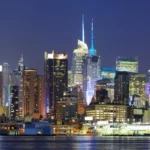
Rooftop water towers are vital to the urban landscape, significantly influencing city skylines. They add visual interest and character, becoming symbols that define a city’s identity. Often, they become iconic, featured prominently in skyline photography, representing the city itself.
Their unique forms and profiles add complexity to urban skylines, providing scale and context. They break up flat rooflines, adding depth and dimension. The varying heights, shapes, and materials create a visually engaging composition, captivating the eye and sparking curiosity.

In many cities, water towers are emblematic of local architectural style and heritage. For instance, New York City’s wooden water towers symbolize its skyline. Kuwait City’s colorful, patterned water towers add cultural flavor. These landmarks reflect the city’s history and evolution, showing the changing urban environment over time.
| City | Iconic Water Tower | Architectural Style |
|---|---|---|
| New York City | Wooden water towers | Industrial, utilitarian |
| Chicago | Chicago Avenue Water Tower | Romanesque Revival |
| Kuwait City | Patterned water towers | Modern, colorful |
| Stockholm | Vatten Tornen | Brick, industrial |
Water towers also serve a practical purpose, ensuring a reliable water supply. As cities grow, the demand for water infrastructure increases. These structures play a vital role in meeting this need, blending form and function to enhance the urban environment’s aesthetic appeal. Additionally, modern water towers are designed with advanced engineering techniques that optimize their performance while minimizing environmental impact. Water tower functionality explained, includes their ability to maintain consistent water pressure throughout the distribution system, ensuring that every household has access to clean water at all times. As a result, they not only support the practical demands of a growing population but also contribute to a sustainable urban landscape by reducing reliance on alternative water sources.
In conclusion, rooftop water towers are essential in shaping urban skylines. Their unique features contribute to the visual richness and complexity of cities. They are celebrated in skyline photography and cherished by all. As cities evolve, the role of water towers in defining urban silhouettes remains critical, ensuring their enduring presence in our cities.
Hiding in Plain Sight: Strategies for Concealing Water Towers
Rooftop water towers are often seen as iconic architectural features. Yet, there are times when building owners and architects aim to reduce their visibility. Through creative design, water towers can be hidden in plain sight, blending seamlessly with the building’s look.
Using architectural screens and cladding is a common method. By covering the water tower with materials that match the building’s exterior, such as metal panels or perforated screens, architects achieve a unified look. These screens not only conceal the water tower but also add artistic flair and visual appeal.
Integrating Water Towers within Rooftop Structures
Another strategy is to hide water towers within rooftop structures. By designing mechanical penthouses or elevator shafts around the water tower, architects can cleverly hide it. This approach makes the water tower almost invisible, blending it with the building’s design.
| Concealment Strategy | Materials | Benefits |
|---|---|---|
| Architectural Screens | Metal panels, louvers, perforated screens | Cohesive appearance, artistic expression |
| Rooftop Enclosures | Mechanical penthouses, elevator shafts | Seamless integration, disguised presence |
By choosing the right materials and designing rooftop structures that complement the building, architects can hide water towers effectively. These strategies show how innovative design can transform functional elements into hidden treasures in the cityscape.
Illuminating Water Towers: Creative Lighting Design Options
Rooftop water towers, once seen as purely utilitarian structures, are now being transformed into captivating visual features through the power of architectural lighting design. By harnessing the creative water tower lighting, these industrial elements can become stunning focal points. They enhance the night-time aesthetics of modern buildings and urban landscapes.
The advent of energy-efficient LED illumination has opened up a world of possibilities for water tower lighting. LED technology offers a wide range of color options, precise control, and programmable features. This allows for dynamic and visually striking lighting displays. From subtle uplighting that highlights the tower’s form to bold color-changing effects, LED lighting can be tailored to suit the desired aesthetic and complement the building’s architecture.
When designing water tower lighting, architects and lighting designers consider various techniques to achieve the desired visual impact. Uplighting, where light fixtures are placed at the base of the tower and directed upwards, can emphasize the tower’s height and create a dramatic silhouette against the night sky. Backlighting, on the other hand, involves placing light sources behind the tower to create a glowing effect that accentuates its shape and texture.
Another creative approach is internal illumination, where light fixtures are installed inside the water tower, transforming it into a luminous beacon. This technique can be effective for towers with translucent or perforated exteriors. It allows the light to emanate from within and create a mesmerizing visual display.
The integration of water tower lighting into the overall architectural lighting design of a building can greatly contribute to its night-time aesthetics. By carefully considering the placement, intensity, and color of the lighting, designers can create a cohesive and visually appealing composition. This enhances the building’s character and presence in the urban landscape.
In addition to its aesthetic benefits, water tower lighting can also serve practical purposes. Illuminating these structures can improve visibility and safety for maintenance personnel who may need to access them during night-time hours. Well-designed lighting can also help deter vandalism and unauthorized access to the towers.
As cities continue to evolve and embrace sustainable practices, the use of energy-efficient LED illumination for water tower lighting aligns with the goal of reducing energy consumption and minimizing light pollution. By carefully directing light and using appropriate shielding, designers can ensure that the lighting enhances the tower’s appearance without contributing to excessive glare or light trespass.
In conclusion, the creative lighting design of rooftop water towers has the power to transform these once-overlooked structures into captivating visual elements. Through the innovative use of architectural lighting design and LED illumination, water towers can become iconic landmarks. They add character and vibrancy to the urban skyline.
Water Tower Branding: Incorporating Corporate Identity and Logos
In the realm of modern architecture, rooftop water towers have evolved into unique canvases for water tower branding and corporate identity. These structures, once purely functional, now serve as striking platforms for logo placement and architectural advertising. Companies are now seeing the value in these highly visible spaces to enhance their brand presence in urban landscapes.
When integrating corporate branding into water tower design, several key factors must be considered. The placement and size of logos need to be thoughtfully planned to enhance the building’s aesthetic. Designers aim to make branding elements noticeable from afar without appearing too commercial, preserving the structure’s visual appeal.
The selection of materials and colors for water tower branding is also critical. Companies might choose bold, contrasting hues to make logos stand out or opt for more subdued tones to blend with the building’s exterior. It’s essential to use durable, weather-resistant materials to ensure branding elements last, maintaining their visual appeal through time.
| Branding Element | Considerations | Impact |
|---|---|---|
| Logo Size | Ensure visibility from a distance while maintaining architectural harmony | Increased brand recognition and recall |
| Color Scheme | Choose colors that complement the building’s exterior or create bold contrast | Enhanced visual impact and brand association |
| Material Selection | Opt for durable, weather-resistant materials for long-lasting branding | Consistent brand presence over time |
Integrating water tower branding into a company’s marketing strategy can offer significant advantages. By using these structures as advertising platforms, businesses can boost visibility, strengthen brand recognition, and leave a lasting impression on consumers. As urban skylines evolve, the role of water towers in corporate identity will grow, merging functionality with branding in architectural design.

Designing Accessible Rooftop Water Towers for Maintenance and Repairs
Ensuring safe and efficient water tower maintenance is a critical aspect of designing rooftop water towers. Proper rooftop access and well-integrated safety features are essential. They facilitate regular upkeep and repairs while maintaining OSHA compliance.
Accessible design starts with secure pathways for technicians to reach the water tower. It involves incorporating catwalks, ladders, and platforms that meet industry safety standards. These access points should be strategically placed to minimize risks associated with working at heights. This allows maintenance personnel to perform their tasks with confidence.
Providing Safe Access for Technicians
To ensure the safety of maintenance technicians, water tower designs must include:
- Sturdy, slip-resistant catwalks with guardrails
- Securely anchored ladders with safety cages
- Spacious platforms with ample room for tools and equipment
- Adequate lighting for visibility in low-light conditions
By prioritizing safety features and OSHA compliance, building owners can create a secure environment for water tower maintenance crews. This reduces the likelihood of accidents and injuries.
Integrating Catwalks, Ladders, and Platforms
The seamless integration of access components into the water tower’s design is critical. Architects should collaborate closely with engineers. This ensures that catwalks, ladders, and platforms are:
- Incorporated into the tower’s structural framework
- Designed to withstand the elements and resist corrosion
- Positioned for optimal rooftop access and maintenance efficiency
- Visually cohesive with the tower’s overall appearance
"A well-designed access system is the key to safe and efficient water tower maintenance. It’s not just about meeting regulations; it’s about ensuring that technicians can perform their job with confidence and peace of mind." – Sarah Thompson, Rooftop Safety Expert
By prioritizing accessibility and safety in rooftop water tower design, building owners can streamline maintenance processes. They can extend the lifespan of their investments and demonstrate a commitment to the well-being of their maintenance teams.
The Future of Rooftop Water Tower Design: Emerging Trends and Innovations
The world’s urbanization and the need for sustainable water systems are driving the evolution of rooftop water tower design. Architects and engineers are now integrating water towers with smart water management solutions. This includes rainwater harvesting and greywater recycling. Rooftop water harvesting systems can collect about 600 gallons of water per 1,000 square feet for every inch of rainfall. Greywater recycling, when done right, can cut a building’s water use by 30-50%.
Advances in materials and construction are leading to more efficient and durable water towers. For instance, self-healing concrete has shown to fully heal cracks within 28 days in field trials. This ensures the long-term stability of these vital structures. Also, adding renewable energy systems like solar panels or wind turbines boosts the sustainability and self-sufficiency of these designs.
The importance of rooftop water towers in creating sustainable urban landscapes is growing. Green roofs and rooftop gardens, which can include water towers, help manage stormwater runoff and reduce urban flooding risks. They also provide habitats for various species. By adopting these trends and innovations, architects and planners can build resilient, sustainable, and visually appealing cities. These cities will prioritize the responsible use of our most valuable resource: water.
FAQ
What role do rooftop water towers play in urban water infrastructure?
Rooftop water towers are vital for urban water systems. They ensure a steady water supply and adequate pressure for high-rise buildings. They also play a key role in fire safety, providing quick access to water for firefighting efforts. In addition to these primary functions, water towers can also serve as an emergency water reserve during outages or disasters, enhancing overall resilience in urban infrastructure. Understanding the variety of water tower functions explained can help city planners and developers optimize design and placement for maximum efficiency and safety. Moreover, they contribute to the aesthetic landscape of a city, often becoming iconic landmarks in their own right.
How do architects integrate water towers with building facades?
Architects choose materials and colors carefully when merging water towers with building exteriors. They might match the building’s finish for a seamless look or use contrasting elements to highlight the water tower. This approach can either blend or stand out, depending on the design.
Can rooftop water towers be designed as sculptural elements?
Yes, architects and designers often view rooftop water towers as artistic pieces. By experimenting with shapes, materials, and finishes, they turn these structures into architectural art. This transformation makes them landmarks in their own right.
How can rooftop water towers be incorporated into sustainable building practices?
Rooftop water towers can be part of green roofs and gardens, promoting sustainable landscaping and water use. They can collect rainwater for irrigation. Designers can blend water towers into the landscape, using plants and structures to soften their industrial look and boost environmental performance.
What are the strategies for concealing rooftop water towers?
There are several ways to hide water towers while keeping their function. Using screens and cladding can make them part of the building’s facade. Water towers can also be hidden within rooftop structures, like mechanical penthouses, maintaining their utility while being out of sight.
How can lighting design enhance the aesthetics of rooftop water towers?
Lighting can turn rooftop water towers into night-time attractions. Techniques like uplighting and backlighting can highlight their shape and texture. LEDs offer energy-saving and programmable options for dynamic displays, adding to the urban night scene’s beauty.
What are the considerations for designing accessible rooftop water towers?
Accessible rooftop water towers are essential for maintenance and repairs. Safe access requires catwalks, ladders, and platforms that meet OSHA standards. Well-designed access systems reduce risks and allow technicians to work safely. Access features should complement the design, balancing safety with aesthetics.
What are the emerging trends in rooftop water tower design?
The future of rooftop water tower design is promising, with a focus on sustainability. Trends include integrating water towers with systems like rainwater harvesting and smart monitoring. New materials and techniques could make water towers more efficient and resilient. Adding renewable energy systems could further enhance their sustainability.