Nuisance Bacteria: A Growing Concern in Drinking Water Quality
- Published:
- Updated: January 6, 2025
Listen to this article
Summary
Clean drinking water is essential for good health, but nuisance bacteria pose a growing concern. Here’s a summary:
- Science Behind Nuisance Bacteria: They affect water quality with odors, tastes, and corrosion but typically don’t cause direct health issues.
- Sources of Contamination: Aging infrastructure, floods, and private wells can introduce these bacteria into water supplies.
- Health Risks and Economic Impacts: While not as severe as pathogenic bacteria, nuisance bacteria can still lead to health issues and economic burdens.

The purest water is a must-have for health and wellbeing. But one growing issue is unsightly bacteria in our water supplies that are not generally pathogenic but that have the power to change water quality. These microbes can be causing many issues such as tastes and odours, stains in the plumbing fixtures and occasionally they even encourage harmful bacteria to grow. It is their growing acceptance that is forcing both consumers and the government to care more about water treatment and water safety in general.
The Science Behind Nuisance Bacteria
Non-infectious bacteria are microbes that don’t necessarily cause illness, but that can still create problems in water supplies. They tend to create biofilm on the walls of pipes, odour or taste bad, and even corrosion in pipes. It’s a generic term for various bacteria species from iron bacteria to sulphur bacteria, with different properties and effects.
What is the most important difference between nuisance and pathogenic bacteria is that nuisance bacteria harm people. Pathogenic bacteria such as E coli or Salmonella may produce rapid and extreme illness, but nuisance bacteria do little more than damage water quality, and much less your health. Their difference often leaves them out of the top three water treatment options but as we’ll see, they all add up to some powerful numbers.
The Sources of Contamination

Water supplies in the urban area are filtered and filtered but are not immune to the penetration of pestilence bacteria. Water quality can be affected by old infrastructure or natural events such as flooding and this microorganism can take up residence.
Private wells and fresh water sources are more vulnerable still. When these sources aren’t closely monitored and treated, they can become reservoirs for a wide range of microbes, including pathogenic bacteria. And therefore water users of these supplies should be extra careful to test and treat water for safe drinking.
Health Risks Associated with Nuisance Bacteria
Prominent among the issues with unwelcome bacteria is the build-up of biofilms on pipes and plumbing. Biofilms are layers of bacteria and organic compounds layered on to the surface and can:
Harbor pathogenic bacteria
Lead to pipe corrosion
Affect water taste and odor
It can include everything from stomach pain to skin rashes associated with infection by nuisance bacteria. Not quite as severe as pathogen infections, these symptoms may persist long into a person’s life and might be detrimental to their wellbeing, especially in the elderly or those with compromised immune systems.
Economic Impacts
And there’s no health issue when untidy bacteria enter a water system — but there’s also an economic one. There’s also extra money that water treatment plants must invest in removing biofilm and monitoring, costs that tend to end up going back on the consumer.
Farmers and medical professionals are not immune to the economic impact of water quality. Repaired water causes crop losses, corrosion in equipment and an additional healthcare bill for irritants or disease that are caused by water. Social penalties (lower productivity, low wellbeing) add to the problem.
Regulatory Landscape
The US, like most industrialised countries, has drinking water quality standards that include bacteria limits. But these thresholds generally address pathogenic bacteria and don’t much include nuisance bacteria.
This law-related disconnect threatens water supply systems. There are differences in the policies for nuisance bacteria in other countries, too, some with strong policies and others with weak ones. A single, international standard would make it much easier to fight this phenomenon.
Methods for Identification
There are many different ways to find nuisance bacteria. You can buy DIY water testing kits that will give you rapid, though often partial results. These kits can be used as a kind of early warning system, but they should not be considered a substitute for expert validation.
That’s best confirmed by expert water quality testing. Conducted by licensed water testing labs, these test give an in-depth view of water quality, including the pathogen and nuisance bacteria levels. Costlier but very useful to know how to drink safe water.
Effective Treatment Solutions
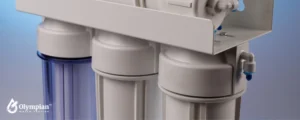
The filter media, such as reverse osmosis, can clean away not only bad bacteria but other pollutants such heavy metals as well. They’re perfect for the home and small business.
Chemical treatments like chlorination are also applied but have their own risks, such as forming toxic by-products. Then there are options such as UV sterilisation or ozone treatments, both safe and effective ways to deal with water-borne bacteria.
Consumer Responsibilities
We as consumers have a responsibility to do more than pay our water bill. Water Testing Your water supply is essential for good measure if you live in a well-fed area. Alterations in the taste, odour or colour of water are all potential signs of contamination.
By assessing it at an early stage, getting professional help and thinking about water treatment solutions, you can de-escalate an occasional problem into a health emergency. Violations might hurt your own family, but perhaps the rest of your community too.
Impacts on Local Ecosystems
Illegal bacteria don’t just wreak havoc on human health and infrastructure: they also threaten ecosystems at a local level. Such bacteria can throw water balance out of whack when they make their way into open water, eating up oxygen and changing the chemical makeup of water. It will affect the survival of fishes and other aquatic species, and therefore biodiversity and the integrity of the environment. So the problem of nuisance bacteria is important for the environment as much as it is for humans.
Conclusion: Addressing the Challenge of Nuisance Bacteria in Drinking Water
Bacteria in water can be a complex problem — both for the water quality, the health of the public, the infrastructure and the local environment. They’re not usually health hazards but they do incur cost and adverse health consequences in the long run. Such effects require constant monitoring, water testing and high-quality treatment solutions. We, as consumers, can be better informed and proactive about water quality so we can have safer water to drink and shield the wider community and the natural world from the damaging influence of these microbes.
Share this on social media:
Facebook
Twitter
LinkedIn

Related Posts