Spring Water in Sports and Athletics
- Published:
- Updated: February 17, 2025
Listen to this article
Summary
Spring water, prized for its purity and mineral content, offers athletes a natural hydrating solution, crucial for replenishing lost fluids and essential nutrients. Its appeal lies in its cleanliness and beneficial minerals, supporting hydration and potentially improving performance. Key differences from regular water include its mineral composition and alkalinity, which can influence muscle function. Additionally, the benefits of spring water extend beyond mere hydration; its natural minerals, such as calcium and magnesium, play vital roles in muscle recovery and energy production. Athletes often find that these elements help reduce muscle cramps and promote better overall performance. By integrating spring water into their hydration strategies, they can take advantage of its unique properties to enhance their physical endurance and recovery processes.
- Purity and Mineral Content: Spring water is free from contaminants and rich in essential minerals, providing athletes with a clean and replenishing source of hydration.
- Alkalinity and Performance: Its natural filtration process and higher pH may aid in maintaining internal pH balance, potentially enhancing muscle function and overall performance.
- Electrolyte Replenishment: Spring water helps replenish electrolytes lost during physical activity, supporting muscle function, nerve signaling, and fluid balance.
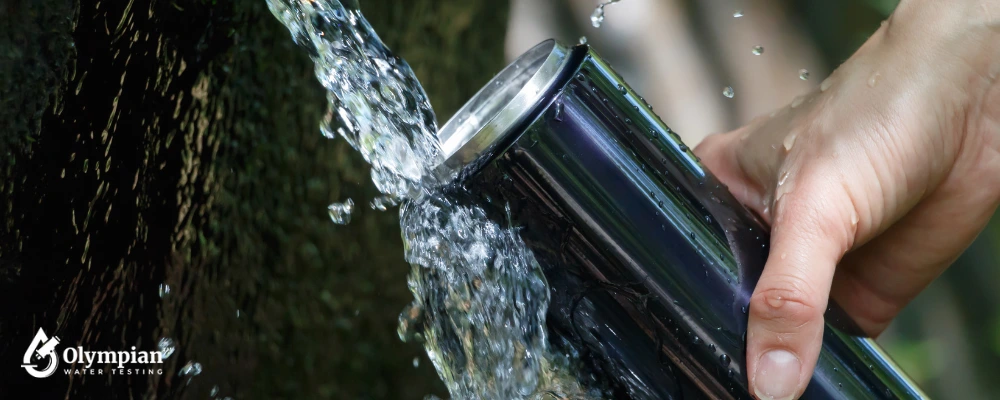
Spring water flows up from a source deep underground and up to the surface. It is sought after for purity, taste and minerals, being thought of as a natural and healthy hydrating agent. For the sportsperson, hydration is more than just restoring fluid lost — it’s about keeping your body replenished with nutrients and minerals. This is where spring water comes into its own, its minerals-based composition a perfect source of replenishment.
What makes spring water so appealing is its purity as well. Devoid of the majority of contaminants and impurities typically found in municipal water, spring water is pure for athletes. Because of this purity in nature and beneficial minerals, spring water could be a useful supplement for an athlete.
Spring Water Vs. Regular Water: What's the Difference?
All water can hydrate, but not all water is created equal. Water from the common tap can be filtered and purified by an elaborate process to get rid of contaminants and pollutants. It’s safe but this process also depletes water of many of the natural minerals it carries. The mineral content of spring water, however, does not lose out, and its filtration is sometimes less contaminated by industrial pollutants.
It is also more alkaline from the minerals in the spring water. The elevated pH can also keep athletes’ internal pH balanced, which in turn can impact muscle contractions and performance. So, as a substitute for the standard tap water, there can be advantages to spring water that could give athletes an advantage.
Hydration and Performance: The Essential Role of Water in Sports

Water is everything in sports and activities. Water fuels all metabolic processes in the body including those critical to sport. Even the mildest form of dehydration affects performance, leading to fatigue, poor concentration and cramping.
The minerals of spring water both hydrate you and restore electrolytes lost during vigorous workouts. You need sodium, potassium and magnesium for muscle contractions, nerve impulses and fluid balance. By opting for spring water, sportsmen are able to hydrate and replenish their body’s minerals in order to perform at their best.
Mineral Content in Spring Water: Boosting Athletic Performance
Spring water is rich in minerals that play significant roles in athletic performance. Key among these are:
- Calcium: Important for bone health and muscle function.
- Magnesium: Plays a role in muscle contraction and nerve function.
- Potassium: Helps maintain fluid balance and nerve signaling.
By drinking spring water, athletes can replenish these essential minerals, supporting their body’s functions during athletic performance. Moreover, unlike sports drinks, spring water provides these minerals without added sugars or artificial ingredients, making it a healthier choice.
The Science Behind Spring Water and Muscle Recovery
Athlete recovery post workout is an integral part of any regimen. During heavy exercise, muscles contract and take tiny pieces apart. Wellspring water could play a part in this recovery. Minerals that naturally occur can make up for lost mineral loss in the workout and speed up recovery in muscles.
The magnesium in spring water helps muscles contract and relax to help recover after a workout. The same goes for the calcium which works to support the muscles, and the potassium which keeps the fluids balanced to reduce muscle cramps and aid in quicker recovery.
Spring Water Brands Loved by Athletes
Some spring water brands are favourites of athletes, and they all have their own strengths:
Evian: Mineral balanced and from the French Alps.
Fiji: known for high amounts of silica, allegedly strengthening connective tissues.
Volvic: Very good source of bicarbonates, calcium, and magnesium, sourced from an old volcano in France.
The proper brand is usually a matter of personal taste, mineral profile and how well it complements an athlete’s diet.
Environmentally Friendly Hydration: The Sustainability of Spring Water
Although there are plenty of athletes’ uses for spring water, we cannot deny the environmental side. Spring water bottling and transportation release carbon and plastic pollution. Sport players that are aware of their carbon footprint can go for sustainability minded brands.
A few brands even try to solve these issues by using recycled plastic, even glass bottles. Then there are the athletes who might use their reusable water bottles and fill them with spring water from a sustainable source — ensuring both that they get the goodness of the spring water and help the environment.
Expert Opinions: What Nutritionists and Sports Coaches Say about Spring Water
A lot of nutritionists and sports coaches recommend spring water because of the minerals and the benefits it has to athletic performance. They say that spring water can be more nutritious than sugary sports drinks when it comes to water and minerals.
But there are also experts who call for equanimity and circumspection. Spring water is good, but not the magic bullet, and it must be part of a nutritious diet. Athletes should also be sure to use spring water from reputable and clean sources, which can not be polluted.
In sports and sport activities, there can be an additional benefit from spring water. The mineral nature, and potential for performance and recovery are all compelling reasons to use it. But as with any diet decision, weigh your health concerns, the impacts on the environment and medical counsel to make a sound decision.
The Role of Hydration in Preventing Sports Injuries
You should keep yourself hydrated to avoid sports injuries. When dehydrated, muscles fatigue and become uncoordinated, and you are at risk of strains, sprains and cramps. Spring water is naturally mineral rich, which not only keeps you hydrated, but also helps your muscles to work and overall exercise as a whole thereby lessening the chances of injuries.
Conclusion: Spring Water for Athletic Performance
Pure spring water, full of minerals, can help with all sorts of activities for athletes, from keeping hydrated to replenishing electrolytes. Its raw ingredients also help in the maintenance of muscle and recovery, and is a great part of an athlete’s water intake. Athletes can use spring water in the context of a healthy/performance mix, mindful of the environment and sustainability.
Share this on social media:
Facebook
Twitter
LinkedIn

Related Posts