What Is the Purpose of Water Towers?
- Published:
- Updated: May 4, 2025
Summary
Water towers are crucial for maintaining a consistent and safe water supply to communities. They store and distribute water, ensure proper water pressure, and help in emergencies like firefighting. Beyond functionality, water towers also contribute to water quality and community identity.
- Water towers use gravity to maintain water pressure, reducing energy needs and ensuring reliable water distribution.
- They store water to meet peak demands and act as backup during emergencies, including power outages.
- Regular maintenance and monitoring ensure water quality and safety, preventing contaminants like bacteria and sediment buildup.
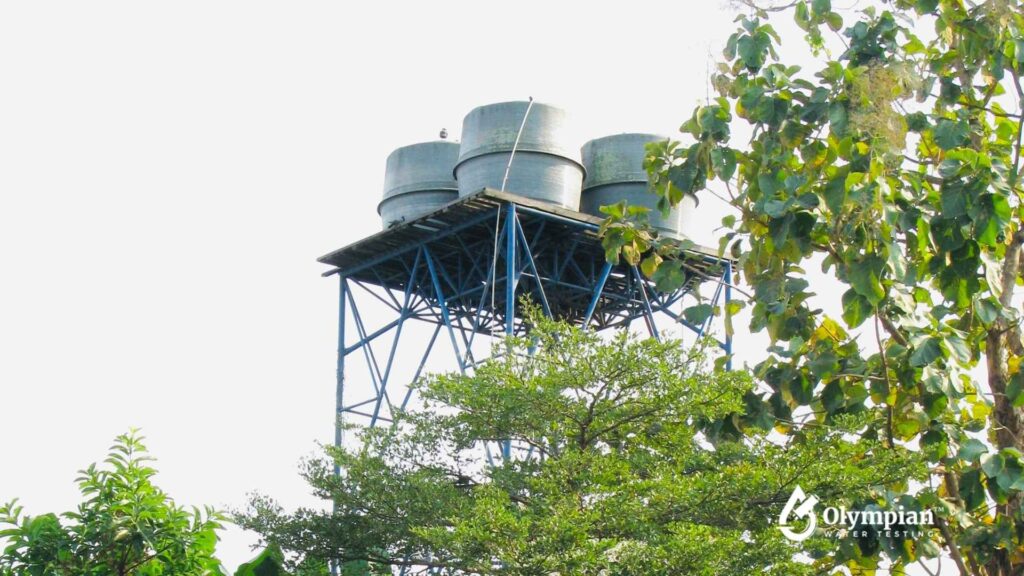
Water towers are a common sight in many communities. These elevated structures serve a critical role in our daily lives, yet their purpose is often overlooked. They store and regulate water pressure, ensuring that households and businesses receive a consistent supply. Particularly in areas with tall buildings and roof water towers, these structures are essential for maintaining adequate water pressure at higher elevations. Without them, our daily routines, from drinking water to sanitation, would be significantly disrupted.
The primary function of a water tower is to distribute water. They ensure a consistent water pressure to homes and businesses, and store potable water for community use.
But their role extends beyond mere distribution and storage. Water towers are integral to maintaining water quality, meeting peak water demands, and even aiding in fire protection.
In this article, we explore the purpose of water towers, their importance in water quality, and their role in our communities.
What is the Purpose of a Water Tower?
1. Maintaining Water Pressure
The primary purpose of a water tower is to provide consistent water pressure throughout a community. Elevated tanks use gravity to create pressure, which reduces the need for energy-intensive pumps. By leveraging gravity, water towers provide a sustainable way to deliver water to areas at various elevations, ensuring that water reaches every home with optimal pressure.
2. Storing Water for Peak Demand
3. Emergency Support
In addition to daily water supply needs, water towers are a vital resource during emergencies. They provide a readily available water supply for firefighting efforts, helping to control fires quickly in urban and rural areas. Moreover, during power outages, the gravity-fed system of water towers ensures that water continues to flow, even if the electrical grid is down, providing crucial support during natural disasters or unforeseen circumstances.
4. Improving Water Quality
Water towers also help maintain water quality within the distribution system. By allowing water to circulate and preventing stagnation, water towers help maintain chlorine levels and minimize bacterial growth. Regular maintenance and monitoring of the tanks ensure the water remains clean, free from contaminants, and safe for consumption.
5. Reducing Energy Consumption
Water towers significantly reduce the need for additional pumping stations and energy consumption. By using the natural force of gravity, these structures help cut down on operational costs, leading to energy savings and a more sustainable water distribution system.
The Mechanics of Water Towers
Water towers are ingenious systems based on simple physics principles. Their primary function lies in storing water at a height to utilize gravitational force efficiently. This height advantage allows towers to maintain water flow without constant mechanical pumping.
Inside, a water tower consists of a massive tank holding thousands to millions of gallons of water. The design can vary, but the principle remains the same: elevate the water for gravity-assisted pressure. The tank is typically positioned high above the ground, allowing gravity to feed water into the system as needed. Inside a water tower structure, this elevation not only ensures consistent water pressure but also provides a reservoir that can accommodate peak demand times. Various materials, such as steel or reinforced concrete, are often used to construct these towers, further enhancing their durability and capacity.
Pumps fill the tank during low-demand periods, such as nighttime. As demand peaks, the stored water is gravity-fed into the supply network, aiding in even distribution. This method not only eases demand on pumps but also serves as a critical supply reserve.
Moreover, water towers are integral to balancing water supply with daily and seasonal variations. By bridging these gaps, they ensure consistent water availability, maintain pressure equilibrium, and reduce the risk of service disruptions.
How Water Pressure is Maintained
Water pressure from a tower is a delicate balance. Height is pivotal in creating this necessary pressure through gravitational force alone. This allows communities at varying elevations to have reliable water access.
When water flows from the tower, gravity creates sufficient pressure for residential and commercial use. This natural force negates the need for extra pumps within the system, which enhances efficiency.
Additionally, the water level in the tower rises and falls according to use, which helps sustain uniform pressure. Strategic placement of towers within a community ensures that even distant areas receive adequate water pressure.
Water Quality and Water Towers
Water towers play a crucial role in maintaining water quality. By design, these structures help in controlling water age within the distribution system. This aspect is vital as it affects chlorine levels, which are important for water safety.
The stored water allows chlorine to diffuse properly, ensuring effective disinfection throughout the supply. Consistently circulated and replenished water prevents the buildup of stagnation-related contaminants. This dynamic minimizes the risk of bacterial growth that can occur in static water conditions.
Regular monitoring of water quality within these towers is essential. It involves routine inspections and cleaning to prevent sediment buildup. Through these practices, communities ensure that the water reaching homes is clean and safe for consumption.
The Aesthetic and Functional Design of Water Towers
Water towers are not just utilitarian structures; they often reflect a community’s identity. Designers incorporate unique aesthetic elements, making each tower distinctive to its location. This artistic approach can turn a simple water storage solution into a cherished landmark. In addition to their visual appeal, thoughtful design considerations for rooftop water towers ensure functionality and sustainability. These structures often incorporate eco-friendly materials and utilize gravity-fed systems to enhance water distribution efficiency. As such, they serve not only as vital infrastructure but also as symbols of innovation and community pride.
Functionality remains a priority, with designs focusing on optimal height and volume for efficient water distribution. The strategic placement ensures gravity-fed water pressure across the service area. Structural integrity and material choice are also critical, ensuring long-lasting and safe operation.
Further, these towers must harmonize with their surroundings. They often blend with local architectural styles, maintaining a balance between utility and beauty. This thoughtful integration enhances the tower’s impact, serving both functional and cultural purposes in the community.
| Type | Average Capacity (Gallons) | Lifespan (Years) | Cost Range |
|---|---|---|---|
| Steel | 500,000 – 2 million | 50-100 | $500K – $1.5M |
| Concrete | 1 million – 5 million | 75-150 | $1M – $3M |
| Composite | 500,000 – 3 million | 50-75 | $700K – $2M |
Community Landmarks and Symbolism
Water towers frequently become iconic symbols in the landscape. They stand as emblems of local pride and heritage, often emblazoned with unique designs.
Their towering presence reminds residents of the essential role they play in everyday life, symbolizing both resilience and community strength.
Challenges and Innovations in Water Tower Technology
Water towers face challenges like aging infrastructure and environmental stressors. Older towers require significant maintenance to prevent corrosion and leaks. This ensures they continue to function effectively in modern water systems.
Innovations in materials and design are addressing these issues. New coatings resist corrosion better, extending the tower’s life. Technological advances, like real-time monitoring systems, help manage water quality and detect potential problems early.
Emerging designs incorporate renewable energy sources, making towers more sustainable. These innovations ensure that water towers continue to be a reliable part of our water distribution network.
The Future of Water Towers in Urban Planning
Water towers will play a critical role in future urban landscapes. Cities will continue to integrate these structures with other sustainable technologies.
They will become central to smart city initiatives, supporting efficient water management and conservation efforts.
Conclusion: The Vital Role of Water Towers
Water towers are indispensable to water distribution systems. They ensure consistent pressure and supply during peak demand. By maintaining water quality, towers safeguard public health and safety.
These structures also play a part in community identity, sustainability, and technological advancement. Their continued evolution highlights their importance in urban planning and resource management.
Ensure Your Water Quality – Test It Today!
Water towers are essential for consistent supply, but over time, water quality can be affected by various factors. Ensure that your water is clean, safe, and free from contaminants. Book a professional water test today and get peace of mind knowing your water is safe for your family and business.
Shedule Your Test Now!
Share this on social media: