The Vital Importance of Wetlands in New York's Water Quality
- Published:
- Updated: January 2, 2025
Listen to this article
Summary
Embark on a captivating exploration of the vital role that wetlands play in safeguarding New York’s water quality, revealing the hidden heroes of ecological balance and environmental resilience. Nestled within the state’s diverse landscapes, these unique ecosystems act as nature’s water purifiers, filtering pollutants, and providing crucial habitat for a myriad of species. Journey through the intricate web of wetland ecology, unraveling the connections between these habitats and water quality, and gain a newfound appreciation for their indispensable services.
Wetlands are diverse ecosystems where water covers the soil, supporting unique plant and animal communities.
They serve as natural water filters, trap floodwaters, recharge groundwater supplies, and provide habitats for wildlife.
Wetlands also play a crucial role in carbon sequestration and mitigating climate change.

Join an interactive tour of why the wetlands are so important to New York’s water quality and discover the uncanny heroines of balance and environmental resilience. Nestled in the state’s landscapes, these special ecologies are nature’s filter for water, purifying pollutants and serving as important habitat for a wide range of animals. Experience the maze of wetland ecology, untangle the intricate relationships between these remarkable ecosystems and water quality, and appreciate even more the services that we cannot survive without – as part of the maintenance of New York’s watershed.
Understanding Wetlands and Their Ecosystem Functions
Wetlands are places where the ground is wettable by water, year-round or only sometimes, and in which plants and animals are specially adapted to the conditions. Wetlands exist in New York in many kinds – marshes, swamps, bogs. They have their own peculiarities and are home to very different species of animals and plants.
These are environments with so many fundamental uses. They are filtering water naturally, they absorb floodwaters, they replenish groundwater supplies and they sustain numerous species of wildlife. And they are essential for carbon storage, reducing climate change.
What is the role of wetlands in the process of water purification?

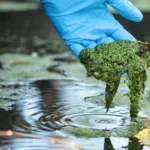
Wetlands serve as nature’s water purifiers. They trap sediments and pollutants that would otherwise end up in our waterways, protecting the quality of downstream water bodies. Key processes involved in this purification include:
- Sedimentation: Wetlands slow down the flow of water, allowing sediments to settle out.
- Filtration: As water flows through wetland soils and vegetation, pollutants are filtered out.
- Nutrient uptake: Wetland plants absorb excess nutrients from the water, preventing them from causing issues like algal blooms in downstream water bodies.
By providing these services, wetlands contribute significantly to maintaining New York’s water quality.
Wetlands as a Buffer against Flooding
In addition to purifying water, wetlands play a crucial role in flood control. They act like sponges, soaking up excess water during periods of heavy rainfall and slowly releasing it back into the environment. This ability to store and gradually release water helps prevent flooding in nearby areas, protecting communities and infrastructure.
Furthermore, the vegetation in wetlands helps slow down the flow of floodwaters, reducing their erosive potential. Thus, wetlands not only protect water quality but also contribute to community resilience in the face of extreme weather events.
Wetlands and Biodiversity
New York’s marshes are places of biodiversity. They are also a source of habitat for a huge array of species, many of them endangered or threatened. From birds such as the Reddish Egret and Roseate Spoonbill, to mammals such as the North American river otter, and many species of amphibians, fish and invertebrates.
It is this biodiversity that makes wetlands healthier and more productive as well as better functioning in water quality terms. Every species is part of the wetland, and interactions maintain the wetland’s capacity to filter water, hold sediment and control flow.
What is the impact of wetland degradation on the water quality in New York?
Yet, important though they are, New York’s wetlands are threatened by the city, the air, and the climate. It is possible for wetlands to be lost or damaged and this can affect water quality. For example, reducing wetland space makes the landscape less able to filter out contaminants, and downstream waterways are more polluted.
What’s more, wetlands can be destroyed, and biodiversity can be lost in the process. This, in turn, can erode the wetland’s capacity to deliver its core ecosystem services such as water purification and flood control.
Conservation Efforts to Protect New York's Wetlands
Since wetlands are very important, many conservation projects are under way to safeguard and rehabilitate these environments in New York. These projects span the range from small local initiatives run by grassroots organizations to state programmes and federal laws.
Local and state governments and many non-profits work in wetland conservation by acquisition, restoration and public education. At the federal level, the U.S. Army Corps of Engineers and the Environmental Protection Agency regulate wetlands activities under the Clean Water Act.
Community Engagement in Wetland Conservation
Wetland conservation depends on community involvement. There are ways for citizen scientists and local volunteers to get involved in monitoring to monitor wetland health and biodiversity. What’s more, public education programs can make the wetlands more valuable, and create stewardship mindsets.
Communities may also press for local wetland protection, through policy and land-use decisions. Activists and citizens can play a part in making sure that New York’s wetlands and their services are protected over time.
Future Challenges and Opportunities for Wetland Conservation in New York
In the years to come, New York’s wetlands are in trouble. Wetland health and extent could be seriously affected by climate change – by sea level increases, changes in rainfall and increased storm intensity.
But they also hold the promise. The more people know about the value of wetlands, the more protection and more money for restoration. And there are new forms of conservation – including wetland protection built into urban planning – that could offer viable solutions for saving these ecosystems from ever-increasing pressures.
Share this on social media:
Facebook
Twitter
LinkedIn

Related Posts