Importance of Water Quality in Food and Beverage Production
- Published:
- Updated: December 16, 2024
Listen to this article
Summary
Water quality is paramount in food and beverage production, impacting safety, quality, and taste. Contaminants can lead to foodborne illnesses and affect crop growth, while impurities can alter product characteristics. Regular testing using physical, chemical, and biological methods is essential, along with effective purification and treatment techniques like filtration and disinfection. Compliance with regulatory standards, such as FDA guidelines, is mandatory. Collaborative efforts among stakeholders are crucial to promote water sustainability and minimize environmental impacts. Ultimately, prioritizing water quality ensures the safety and satisfaction of consumers while upholding environmental stewardship in the food and beverage industry.

Food and beverages rely on water to do all this, from growing the food to washing and drying the food. The water quality of the food and beverage manufacturing process determines the safety, quality and taste of the final product and is therefore an important part of the business.
The Importance of Water Quality in Food and Beverage Manufacturing
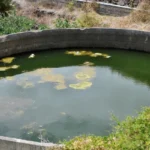
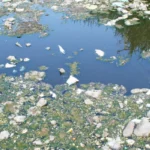
Water quality matters to food and beverage as the quality and safety of the final product directly depend on it. Poor water quality can enlarge bacteria, viruses and other dangerous microbes to infect your food with pathogens that cause illness. Water contaminated with contaminants and pollutants also affect the taste, texture, and appearance of food and beverages leading to a poorer quality and less satisfied customer.
For crops in the agricultural industry, water quality is important for crop productivity. Water quality can be bad, nutrient imbalances and poor yield and quality of the crops. At the processing point, water quality can also influence the performance of cleaning and sanitizing solutions leading to cross-contamination of foods and the potential for food poisoning.
Water used containing heavy metals, pesticides and other contaminants can be a public health issue as well. Such contaminants build up in foods, and the consumers end up ingesting them and developing health effects.
Assessing and Monitoring Water Quality in Food and Beverage Manufacturing

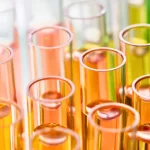
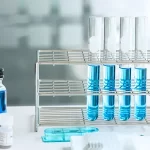
Food and beverage industry water quality can be monitored and evaluated through different analysis techniques and methods. The most common are physical, chemical and biological tests. Physical tests like temperature and pH can tell us about basic properties of water, while chemical tests like total dissolved solids (TDS) and total organic carbon (TOC) can tell you about contaminants and impurities.
Biological tests like total plate count (TPC) and heterotrophic plate count (HPC) can tell you whether there is bacteria and other microbes in the water. These analyses are essential for testing food and beverage water for safety and quality.
Spectrophotometry, chromatography, and mass spectrometry can be used to look for specific contaminants and impurities in water. These methods are very reliable and accurate, which is ideal for water quality monitoring in the food and beverage industry.
Removing and Reducing Contaminants and Impurities in Water
For food and beverages, the contaminants and impurities that matter are bacteria, viruses, heavy metals, pesticides and other toxic chemicals. Removal or reducing of these contaminants and impurities is important for food and beverages’ safety and quality.
Water purification and treatment methods such as filtration, disinfection, reverse osmosis can be used to clean or remove these contaminants and impurities. Filtration using filters such as sand filtration or activated carbon filtration is capable of filtering particulates, heavy metals and other contaminants out of water. Using disinfectants like chlorination and ultraviolet (UV) radiation will remove bacteria and viruses from water. – A membrane filtering process called reverse osmosis is effective at filtering out virtually all contaminants and contaminants such as heavy metals, pesticides, etc.
The ion exchangers and chemical treatments like chemical oxidation and reduction can be used too to decontaminate and purify water. Having said that, the decision on the kind of water purification and treatment will be based on the type of contaminants and impurities found in the water and also the purpose for which the water is going to be used for food and beverage manufacturing.
Implementing Water Quality Control and Management Systems
When sourcing water for food and beverage manufacturing purposes, water quality controls and management should be done with appropriate steps. These systems should also consist of regular water quality monitoring and testing and the use of the proper water purification and treatment procedures.
The recommended methods for water quality control and management in food and beverage industry include the establishment of a water management plan, regular water quality monitoring and testing, water purification and treatment procedures and good water management (saving and reuse).
You should also educate and train employees on water quality in food and beverage manufacturing and proper management of water quality. Water quality control and management practices will be introduced and maintained, and the training and up-gradation of knowledge on the part of employees will be ongoing.
Regulatory Requirements for Water Quality in Food and Beverage Manufacturing
Water quality regulation is applicable to food and beverage businesses. These requirements differ from one jurisdiction to another, but generally include requirements for water quality and water treatment, as well as for water quality monitoring and testing.
The Food and Drug Administration (FDA) regulates water in food and beverage products in the US. There are FDA guidelines for water quality and water treatment as well as monitoring and testing of water quality. The FDA has developed Food and Beverage Good Manufacturing Practices (GMPs) such as water quality management and control for the food and beverage industry.
Food and beverage manufacturers should know what their state’s water quality rules are and adhere to them. Failure to follow these rules could be penalized and fined, and the manufacturer’s reputation may suffer.
The Impact of Water Quality on the Taste, Texture, and Appearance of Food and Beverages
The taste, texture, and appearance of foods and beverages is also a direct factor in water quality. Contaminants and impurities in water can spoil food and beverages and deteriorate product quality and customer experience.
The water used in the production of some food and beverages like coffee and tea can affect the quality and taste of finished products. For instance, chlorinated water (and other contaminants) can cause coffee and tea to lose their quality and customer loyalty.
Best practices to keep food and beverages fresh during manufacturing includes good water quality, effective water purification and treatment, water management methods like water conservation and reuse.
The Environmental Impacts of Water Use in Food and Beverage Manufacturing
Food and beverage production can consume a lot of water, and this can be very bad for the environment. Increasing amounts of water are used for agriculture and food production that could lead to water scarcity and water scarcity. Water purification and treatment process could lead to discharge of contaminants and impurities into the environment with potential impacts on water quality and ecosystems.
We must be water sustainable if we want to minimise the ecological footprint of water use in food and beverage production. These include water conservation, reuse and recycling, and the use of proper water purification and treatment practices to minimise the discharge of contaminants and impurities into the environment.
Manufacturers of food and beverages can work with water treatment plants, government entities, and others on water sustainability and water quality. Food and beverage companies, for instance, could collaborate with water treatment plants to ensure efficient water management — conserving and reusing water, for instance — and lessen the release of contaminants and pollutants into the environment.
Drink producers can also work with the government and others on water sustainability and water quality improvements. Food and beverage companies, for instance, can be involved in programs and actions to ensure that water is clean and less wasted (for instance, the Clean Water Act and the WaterSMART project in the US).
The quality of water affects the safety, quality and taste of the finished products in the food and beverage sector. Food and beverage companies should ensure that water quality is correctly measured and regulated, water purification and treatment is well practiced, and water is managed in sustainable ways to protect food and beverages’ quality and safety and to reduce the need for sewage. With collaboration with water treatment plants, the government and others, food and beverage producers can also work to make water more healthy and maintain the quality of food and beverages.
Share this on social media:
Facebook
Twitter
LinkedIn

Related Posts