Importance of Water Quality Testing in Environmental Science
- Published:
- Updated: May 1, 2025
Summary
Water quality testing is indispensable in environmental science, ensuring the safety of water sources. Key points include:
- Regular Monitoring: Essential to assess water safety amidst human activities, natural events, and climate change impacts.
- Parameters Measured: pH, temperature, total dissolved solids, and specific contaminants like lead and bacteria are crucial indicators.
- Protecting Human Health: Detecting contaminants ensures safe drinking water, safeguarding vulnerable populations.
Water is a resource we all depend on, and we should only consume good quality water that is clean and non-polluted. Water quality testing is one of the foundations of environmental science and it’s what allows us to keep track of the safety and health of our water sources.
The Need for Regular Water Quality Testing
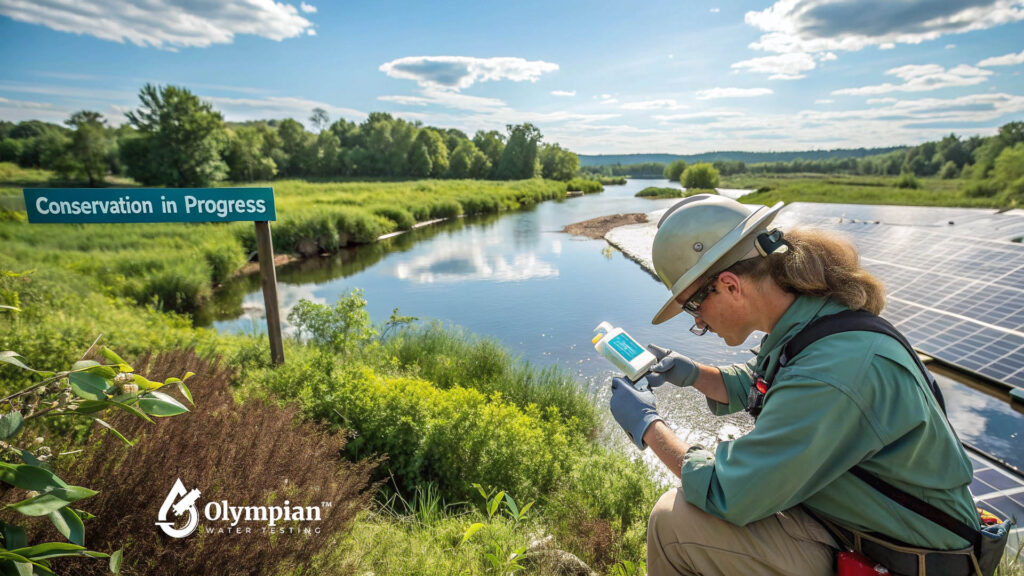
Water quality testing is a key part of environmental science, and we test our water to make sure that it is safe and healthy. New York Water Quality Testing Regular Water Quality Testing NY ensures that we don’t have any contaminants in our water for drinking, swimming and other purposes.
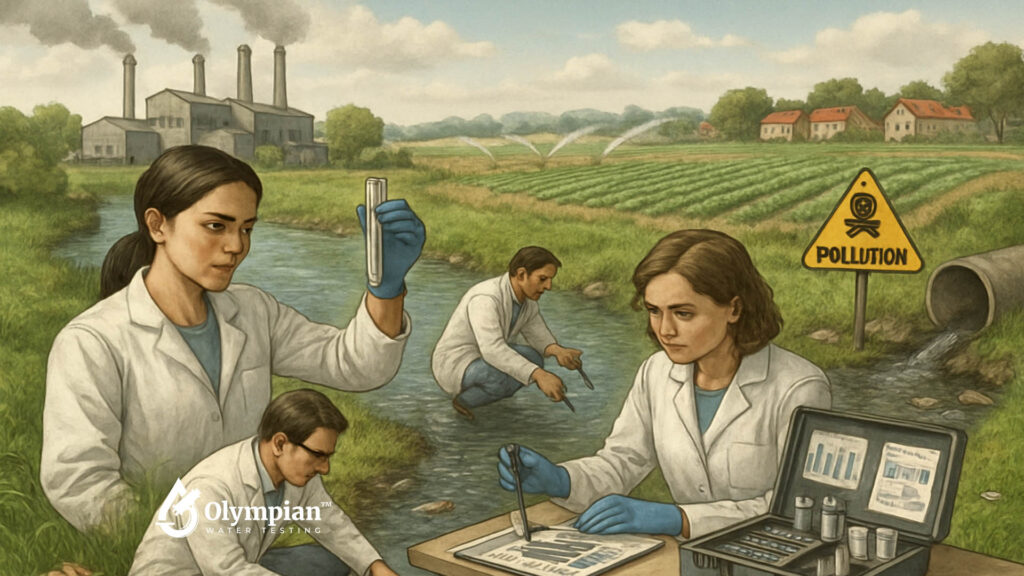
A range of things can influence water quality – human activities, natural events, and climate change. Industrial activities, agriculture and urban development can all introduce pollutants into the water bodies; natural disasters like floods and droughts can also influence the quality of water. Water quality is affected by climate change, too, which changes the hydrology and chemistry of waterways.
Therefore, it is a must to regularly test water quality for safe and regulatory water quality requirements as per environmental water testing authorities. Also, water quality testing on a regular basis helps us detect and correct any potential water quality problems in the long term, so that we can act to save our water sources in the first place.
Parameters Measured in Water Quality Tests
Typical water quality test parameters include pH, temperature, TDS, concentrations of lead, pesticides and bacteria. What the test will check for is determined based on what the test is used for, and the water will be used for.
pH refers to the acidity or alkalinity of water and is used to assess the quality of water. When it’s 7 you have a neutral pH, Acid (7) and Alkaline (>7). The pH of water not only influences the water taste and hygiene, it can also influence aquatic ecosystems.
Another measurement of water quality that matters is temperature because it affects contaminants’ behaviour as well as the function of aquatic ecosystems. Higher water temperatures will encourage bad bacteria to grow and lower temperatures will prevent the good bacteria.
Total dissolved solids or TDS is a percentage of all the minerals and other components that exist in water. TDS that is too high affects the taste and quality of the water, and may indicate the presence of contaminants. As TDS can also impact aquatic ecosystems, excess concentrations of some minerals are poisonous to fish and other aquatic animals.
Other chemicals – lead, pesticides, bacteria – are also measured in water tests for drinking and other purposes. In children, lead can lead to health issues such as developmental delays, learning disabilities and behavioural issues. There’s also the problem of pesticides being toxic to humans and aquatic environments. E. coli and salmonella are able to make you sick and have become an issue in water test.
Protecting Human Health through Water Quality Testing
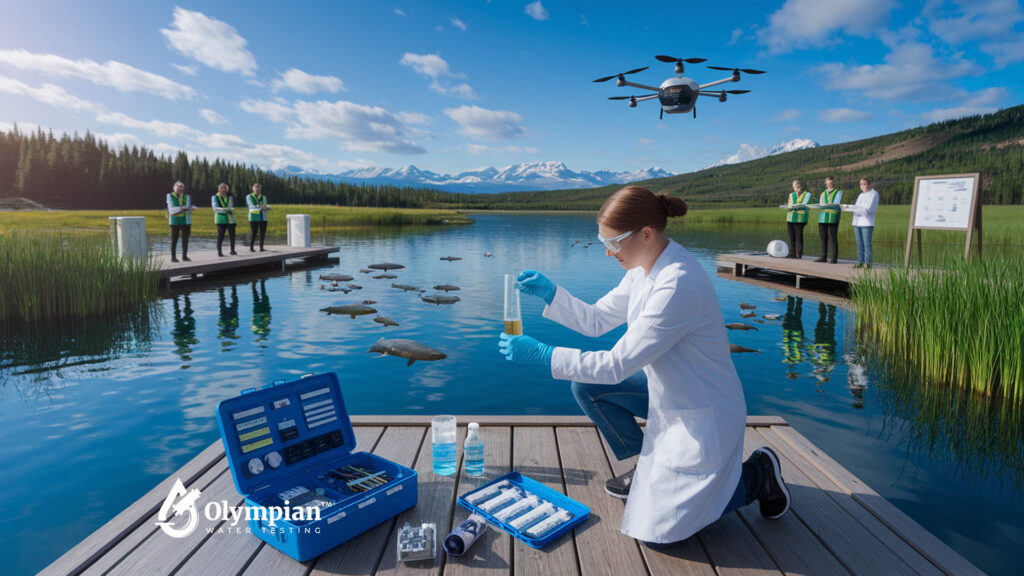
Water quality testing is essential for human health as it ensures that we are drinking pure water that is not contaminated with pollutants. A regular water quality testing can find the lead, pesticides, bacteria that we can remove to keep human health protected.
The same goes for recreational water (lakes, rivers, swimming pools, etc). Water quality checks can help us monitor for illnesses causing bacteria and chemicals on a regular basis so we can remove those contaminants and have water that is fit to swim in and use for other purposes.
Water quality testing also serves the health of people at risk — children, pregnant women, and those with weak immune systems. These populations are particularly vulnerable to disease due to contamination of water, so regular water quality testing is even more important.
Protecting Aquatic Ecosystems through Water Quality Testing
A water quality test is also essential for aquatic environments because we need it to be sure our water isn’t filled with pathogens and has healthy microorganisms. The water can be contaminated with lead, pesticides and bacteria, and the fish and other aquatic animals can be affected.
It’s by regularly testing the water for quality that we can track our water supply and work to remove any contaminants that might exist. This preserves water quality and aquatic ecosystem health and diversity. Water quality tests can also tell us the source of pollution so that we can do what we can to avoid it again.
Aquatic ecosystems are dynamic and interconnected, and water quality testing can help us to discern how many sources of water relate to each other, and what pollutants do to aquatic ecosystems. By monitoring water quality and acting to protect aquatic environments, we can keep these things for future generations.
Informing Water Management and Conservation Decisions
Tests of water quality also assist in the planning of water management and stewardship. We can monitor water quality on a regular basis and assess whether our water sources are safe and healthy, and decide how to use and manage it.
Water quality testing can also be used to help guide allocations of water, enabling us to allocate resources best for drinking, agriculture and other priorities. Water quality testing can also help us make water conservation decisions because a bad water quality can suggest that we should be more conservationists in protecting our water resources.
Water quality testing can guide the selection of water treatment facilities so we know if they are performing well or need improvement. This can make sure that we’re treating our water in a way that is effective, efficient and sustainable, and meeting our communities’ and the natural world’s needs.
The Benefits of Advanced Technologies in Water Quality Testing
The technology in the past couple of years has shifted the test of water quality. Newer technologies, from molecular biology to sensors, made it faster and easier to monitor water quality and detect contaminants.
There are molecular biology methods, like polymerase chain reaction (PCR), to determine whether water has particular contaminants (bacteria, viruses, etc). Sensors — for example, optical sensors — can be deployed to continuously measure water quality in real-time and thus receive information about the condition of the water over time.
Such new technologies can tell us more accurate and complete water quality so we can make more informed water management and conservation decisions. They can also be used to speed up and make water quality testing easier and cheaper for communities and environmental authorities.
Identifying and Mitigating Pollution Sources through Water Quality Testing
Water quality testing can also be used to find and remediate sources of pollution. We can continually track water quality to see where pollution is happening and take action to filter the pollutants out and prevent it from happening again.
By testing for water quality, industrial discharge, farm runoff and sewer discharge can all be identified as sources of contaminants in rivers and streams. Once the polluter’s origin is known, pollution can be decontaminated and contamination ceased. This can be through best management practices, the use of water treatment technologies, and regulation and policies to curb pollution.
This can also be carried out with water quality testing to check if pollution prevention efforts are working. If we monitor water quality often in locations where best management practices or water treatment technologies have been implemented, we can know how effective these efforts are and where we need to make them better.
The Importance of Public Access to Water Quality Data
Why Water Quality Data Should Be Available To The Public In The First Place.
Water testing tells us a lot about how well and safely our water is flowing, but it should be publicly available. Water quality information makes it possible for people and communities to make choices about water use and management and, potentially, is a source of accountability and transparency.
The data about water quality are publicly accessible through government bodies or non-profit organisations in most countries. These can be accessed to determine whether water is safe and quality, how healthy aquatic ecosystems are, and to make decisions about water management and conservation.
Having water quality information accessible to the public could be a way of encouraging environmental activism and campaigning as well. If people and communities can know their water quality, then they will be more receptive to helping save and preserve our water. This can increase water quality awareness and get action to improve water quality.
Having data on water quality in the public domain is a must for transparency, accountability, and responsible use and management of water resources. Open data on water quality can help people and communities engage directly with actions that protect and conserve our water resources.
The Role of Water Quality Testing in Environmental Policies
Environmental policy and regulation is informed by water quality testing. When we share data that is very specific about the condition of watersheds, governments can come up with rules to manage pollution, save ecosystems, and promote public health. Such data driven methods help in developing policies that can address water quality challenges based on individual cases and lead to water sustainability.
Conclusion: The Crucial Role of Water Quality Testing in Environmental Science
Testing for water quality is an epoch-making part of environmental science and is the only way to ensure our water supply remains safe and sustainable. Periodic monitoring of these key parameters is protective of human health, sustainable of aquatic habitats, and helps to guide water policy. In addition, advanced technologies and public access to water quality data provide even greater scope to protect this critical resource – underscoring the need for continued monitoring and action in the fight for the environment.
Share this on social media: