The Relationship between Staten Island's Development and Water Quality
- Published:
- Updated: January 2, 2025
Listen to this article
Summary
Staten Island’s development significantly impacts its water quality. Urban growth alters land use patterns and introduces pollutants, affecting delicate aquatic ecosystems and resident well-being. Key metrics for assessing water quality include pH, turbidity, and dissolved oxygen levels. Protecting water sources like ponds, streams, and groundwater is vital for sustainability. Regulations, community initiatives, and innovative technologies are essential for mitigating adverse effects and promoting responsible development.
- Impact of Staten Island’s development on water quality
- Key metrics for assessing water quality
- Strategies for mitigating adverse effects and promoting sustainability

If we talk about urban development, then Staten Island’s development determines the delicate balance of its water. The more this dynamic borough grows its infrastructure and welcomes new opportunities, the more complex relations between human activity, land use, and the island’s waters are exposed. It is imperative to not only understand the connection between Staten Island’s development and water quality, but also the health of the people of Staten Island and the long-term sustainability of future generations.
Historical Development of Staten Island
The history of Staten Island water testing was always a curious one. A former agricultural country turned into an urban enclave, the island has changed hands multiple times in centuries. When the Verrazzano-Narrows Bridge opened in the mid-20th century, it tied the island to Brooklyn and set off a wave of exponential expansion and suburbanisation. Populations increased and infrastructure was built – the scenery changed entirely.
The hills, wetlands and length of shoreline that made Staten Island so special have also been its strengths as well as weaknesses for growth. As the population and the housing needs rose, nature was turned into housing and business areas, and the local environment was radically transformed.
What are the key metrics used to assess water quality?

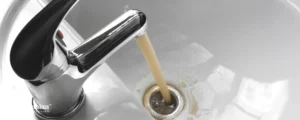
Water quality is one of those things that is very variable. Among the most important are pH (measures the acidity or alkalinity of the water) and turbidity (the level of clarity of the water). Also important is the dissolved oxygen, which is another sign of the water’s fitness for aquatic life. Besides, other indicators such as the presence of bad bacteria or contaminants such as heavy metals also count towards water quality.
If there are high levels of contaminants or low values for metrics such as dissolved oxygen, that may indicate water quality degradation. And you have to understand those metrics because they are what make the ecosystem a functioning one. Water quality can impact not only human health, but also the native plants and animals, which is why this matter is so crucial.
Staten Island's Water Sources and Their Importance
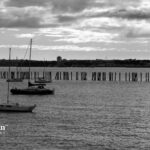
There are many different water bodies on Staten Island. It’s a series of ponds and lakes, streams, New York Bay and Arthur Kill. They are water bodies that are essential for local habitat, hosting a multitude of plants and animals.
The same goes for the groundwater, which is a primary source of drinking water. We shouldn’t underestimate the significance of these water sources as they are crucial for human life as well as for the natural world at large. They are essential, whether for environmentalists or local governments.
What are the impacts of urbanization on water quality?
Water quality can also be negatively affected by urbanization and infrastructure construction as changes in land use, new surfaces of asphalt and contaminants enter waterways. Here are some of the major effects of urbanisation on water quality:
Stormwater Runoff: In general, we make roads, parking structures and buildings that are not paved with anything but concrete and asphalt. These are pavements that don’t allow the rainwater to soak into the earth and cause excess runoff. Stormwater attracts contaminants from the cities and dumps them into the waters — sediment, oils, heavy metals, fertilisers and pesticides. It is a runoff that can pollute water and injure aquatic ecosystems.
Landslides: The land clearing, digging and building of cities can lead to more sedimentation in bodies of water. Construction site run-off can dump dirt, pollutants and nutrients into surrounding streams, rivers and lakes. Too much sediment can contribute to water quality, blurring visibility, choked aquatic ecosystems and changed the dynamics of nutrients.
Nutrient and Chemical Pollution: Neighbourhoods tend to have higher levels of nutrient and chemical pollution in lakes and other bodies of water from landscaping, lawn mowing, and sewage discharge. The excess nutrients – particularly nitrogen and phosphorus – will eutrophify, generating toxic algal blooms, oxygen shortage and negative effects on aquatic life. Pollutants from urban runoff — such as pesticides, road salts, heavy metals and industrial chemicals — can enter waterways, and harm human and natural systems.
Overflows of Sewer: Common in older cities are combined sewers, where stormwater and sewage are conveyed along the same pipes. If there is a lot of rainfall or snowmelt, these lines can get overwhelmed and cause combined sewer overflows (CSOs). CSOs can discharge untreated effluent and pollutants into waterways, significantly reducing water quality and risking aquatic disease.
Habitat Destruction: Habitat destruction from land conversion and vegetal extraction are very common features of urban planning. Destruction of habitats – wetlands, riparian areas, etc. – could destroy natural filtration and buffer zones that sustain water quality. This could lead to more sedimentation, nutrients and deteriorated aquatic habitats for animals.
Water quality effects of urbanisation can be countered using various mechanisms:
Green infrastructure (permeable pavement, green roof, rain gardens, built wetlands): Control stormwater run-off and pollution.
Creating and implementing rules and best management practices for construction site to manage sedimentation and erosion.
Improve septic systems and stormwater drainage for reduced effluent run-off and sewer overflow.
Sustainable land use planning, greenspace, riparian buffers and natural habitat preservation.
Reminding citizens about using fertilizers, pesticides and other chemicals with care, in order to lower their water quality impact.
Monitoring and evaluation of water quality on a regular basis to detect pollution sources and monitor how mitigation measures are working.
With integrated solutions that look at how cities interact with water, the harm can be reduced and the quality of water in cities preserved.
Specific Case Studies of Development Projects and Their Impact
There are a few developments on Staten Island that have had discernible effects on water quality. The construction of the then-world’s largest landfill, the Fresh Kills Landfill, was extremely polluting. Now closed and now a park, the legacy of pollution still looms large.
One of the other is the growth that’s happening on the North Shore – the Bay Street Corridor. While these projects promise growth, they are also subject to concerns about what it will do to the water bodies around them: more runoff and pollution.
Regulations and Policies in Place to Protect Water Quality
There are various rules and policies in place to help ensure the water quality on Staten Island. The Clean Water Act, for example, mandates limits on water pollution and permits releases of pollutants into bodies of water. At the municipal level, New York City’s Department of Environmental Protection has a variety of water protection programmes including the periodic monitoring and repairs to the city’s water supply system.
And there’s New York State’s Department of Environmental Conservation, which aims to conserve and enhance the state’s natural resources, including Staten Island waters. They set regulations and issue permits for any activity that might affect water quality – construction within or near waterways, for example, or the disposal of wastewater.
Community Initiatives for Water Quality Protection
It takes all residents to help maintain and restore the quality of the Staten Island water. Conservation organisations such as the Staten Island Greenbelt Conservancy protect wild spaces and educate the public about the environment. In a similar way, Billion Oyster Project also uses local communities and schools to restore oyster reefs in New York Harbor, which help to filter the water using oysters’ natural filters.
And people there are vital to water quality inspection. Citizens’ science projects give people access to data about their local water bodies, which can inform conservation. Such actions, taken as a group, show that local engagement is an effective tool for Staten Island water.
Future Projections: Balancing Development and Water Quality
Development and protection of nature must be co-ordinated if Staten Island is to ever move forward. As building and infrastructure demand rises, new methods of controlling for water quality are needed.
Green infrastructure – permeable pavements, green roofs – can impede stormwater discharge and pollution. As well, eco-friendly construction methods can reduce the negative impact of development projects.
It might even be more technology-enabled monitoring and treatment of water in the future. From smart sensors that report on water quality in real time, to artificial intelligence systems that can monitor and mitigate pollution, technology will be a huge factor in preserving Staten Island’s water quality while the development takes place.
Share this on social media:
Facebook
Twitter
LinkedIn
Next Article: