The Dangers of Copper in Queens’ Drinking Water
- Published:
- Updated: December 16, 2024
Listen to this article
Summary
Residents of Queens, New York face concerning levels of copper in their drinking water, posing health risks and prompting questions about water safety regulations. Here’s what you need to know:
- Multiple neighborhoods, including Flushing and Jamaica, are affected, with copper concentrations exceeding federal limits.
- Copper enters water from industrial runoff and old plumbing, exacerbated by seasonal changes.
- Short-term exposure can cause nausea and diarrhea, while long-term effects include organ damage.

What is that in your glass of water? This is a small question, and yet to residents of Queens, New York, it is a pressing one. The copper in the water, which has been tested more recently, is shocking and the drinking water is no longer under the swathe of public safety regulations.
The Prevalence of Copper in Queens' Drinking Water
This copper problem in Queens’ drinking water isn’t just one city: there are multiple neighbourhoods affected. From water quality tests, Flushing, Jamaica and Astoria are among the worst hit. This is not a few households; this is thousands of families.
Untersuchungen of water samples in these neighbourhoods have found copper levels higher than the federal standards. These data are not mere numbers, they’re real health threats for the community. If you live in one of these areas, then we have to act fast and get on the guard.
What is Copper and How Does It Get Into Our Water?

Copper is a metal that is used for wiring, plumbing and other industrial needs. It naturally lurks in the earth’s crust but it can also enter our drinking water from industrial effluent or seepage from old plumbing fixtures.
The problem is made worse by the season. For example, water’s pH can change from season to season and, with that, the amount of copper leached out of the pipes into the water. So if your water was OK a few months ago, it might not be now.
Federal and State Regulations on Copper Levels
The U.S. Environmental Protection Agency (EPA) determines the limits for copper levels in water supplies. These regulations are enforced in New York by testing water on a regular basis, usually at the home’s tap.
But there are plenty of critics who think current tests are ill-equipped and will miss the extent of copper contamination. The tests are episodic and miss out on seasonal fluctuations that change copper levels significantly. This has given rise to pressures for more frequent, high-pressure water quality monitoring.
How Copper Affects Human Health
Human health effects can result from copper, short- and long-term. On a temporary basis, excessive copper levels will result in nausea, vomiting and diarrhoea. Exposure over time is even worse, from liver and kidney damage to child development.
And vulnerable populations (including babies, the elderly and people with compromised immune systems) are at greater risk too. For these populations, the effects of copper exposure could be catastrophic, with chronic health conditions, even fatalities.
The Environmental Impact
It isn’t only human beings that are vulnerable to copper; aquatic life and the environment are at the heart of what Copper does. In lakes, too much copper is poisonous to fish and other aquatic life, causing ecosystems and food webs to fail.
Copper mining and production also releases the metal into the environment and makes it worse. The combined environmental harm is enormous, which is what makes copper a not only public health issue, but an environmental emergency.
Methods of Testing Copper Levels at Home
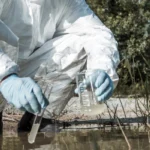
For those concerned about copper levels in their drinking water, several testing options are available. Home testing kits offer a convenient, although not always precise, way to check for contamination. Laboratory tests provide more accurate results and can usually detect even trace amounts of copper.
Signs that your water might be contaminated include:
- A metallic taste
- Blue-green stains on fixtures
- Unexplained gastrointestinal symptoms
If you notice any of these signs, it’s crucial to have your water tested immediately.
What Can Be Done: Individual and Community Actions
If you discover that your water has unsafe levels of copper, there are immediate steps you can take, such as installing a water filter certified to remove copper. However, solving this issue requires collective action. Awareness programs, community meetings, and petitions can all play a role in pressing for better water quality.
Moreover, it’s crucial for citizens to demand regular water testing and public disclosure of the results. By holding authorities accountable, we can ensure that safe drinking water is not just a privilege but a right for all residents.
Policy Changes Needed
Current regulations governing copper levels in drinking water are simply not enough. For one, the testing methods need to be improved to capture fluctuations in copper levels, especially those triggered by seasonal changes.
To enact meaningful change, citizens should push for:
- More frequent water testing
- Lower thresholds for copper concentrations
- Stricter penalties for non-compliance
Such policy shifts are vital for safeguarding the health of Queens residents.
Share this on social media:
Facebook
Twitter
LinkedIn

Related Posts