Weird Tastes in Staten Island's Drinking Water: The Root Cause
- Published:
- Updated: January 2, 2025
Listen to this article
Summary
Staten Island residents have noticed odd tastes in tap water, raising concerns about its quality. Understanding the reasons behind these taste variations is crucial for community health.
- The Importance of Water Quality: Water quality affects health and daily life.
- The History of Staten Island’s Water Supply: Historical incidents offer insights into contemporary challenges.
- What Experts Say About Water Taste: Taste can indicate issues like aging infrastructure or contamination.

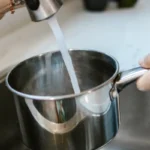
If you’re a Staten Island resident, you’ve likely noticed that the tap water sometimes tastes a little…off. It’s a subtle undercurrent that buzzes on your tongue long after your morning coffee or a tall glass of cold water. This might sound like a minor inconvenience at first, but when you consider that water is a cornerstone of our daily lives, the issue takes on a new gravity.
The Importance of Water Quality
Not only is water a brew for the body, it’s a health, hygiene, and wellbeing thing. When we cook, clean or moisturise, water is the stuff of our lives. A little bit of taste difference might be a sign of something bigger like contamination or a malfunctioning water treatment plant.
And the water is in a tight place. At the worst, the water is contaminated with everything from digestive diseases to even deadly diseases such as cholera. So it is crucial, not just for our own health but also for that of our community, to know what makes our water taste the way it does.
The History of Staten Island's Water Supply

Water in Staten Island is nothing if not complicated. The borough began as a well and cistern dependent, and eventually shifted to more contemporary reservoirs. Such shifts, although for the better, have also left the water supply vulnerable to a series of quality problems, some of which might be responsible for its strange odour.
From algae blooms to industrial contamination, an exploration of historical data indicates that Staten Island has experienced water disasters of all kinds. Most of these have been addressed, but they can still give hints about the present problems with the water’s flavour.
What Experts Say About Water Taste
Taste is not as simple a measure as people might think, say water quality specialists. It can be sabotaged by calcium and magnesium, or even more malicious elements such as chlorine or lead. A peculiar flavour isn’t a sign that the water is toxic, but it’s usually the first symptom that gets people looking further.
The public’s opinion of the taste of water is normally not critical, but if so many citizens have complained about the same thing, this is something to call professionals on. Taste, some experts think, should be part of the whole assessment of water quality, an early horn for trouble.
Common Culprits Behind Strange Tasting Water
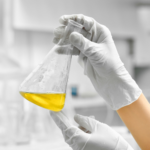
Let’s go ahead and get into some of the most likely reasons your tap water will smell weird. Or maybe due to old infrastructure, for example, worn pipes leaking rust or other unwanted contaminants into the water. The other possibility is industrial or agricultural run-off contamination that not only spoils taste, but also puts people at serious risk of diseases.
Worse, sometimes the reason is even not existent, making remediation challenging. There needs to be lots of testing and investigation to pin down the source and until then people wonder what they are eating.
Natural Causes: When Mother Nature Gets in the Mix
We blame human misunderstanding or failure, but natural causes must also be involved. There’s a lot of variation in water taste according to season. For instance, a summer algae bloom in the source water can make the water earthy or musky.
Even more, local wildlife and natural vegetation in the vicinity of waterways add organic matter to the water. All of these natural ingredients are purified out, but sometimes small amounts of them are left in traces, to affect the taste of the end product you get out of your faucet.
The Role of Water Treatment Plants
Water Treatment Plants are part of the reason that you should not drink contaminated water. Water on Staten Island is treated to removing pollutants and bacterial growth. For all their care, treatment is imperfect, and there are always things that interfere with flavour that fall through the cracks.
A water treatment plant can only do so much. There are limits to their effectiveness, such as dated technology, lack of funds and unpredictable factors like natural catastrophes. In the case that they do, sometimes water becomes contaminated in a way that leaves it tasting bad for a while.
Local Resident Opinions and Anecdotes
Water’s taste is a hot potato with Staten Islanders. People have gone to social media, local forums and town halls to vent about their experiences and issues. The general feeling is of frustration, and some people buy bottled water or put in home filtration.
Anecdotal data aren’t scientific proof, but they can be a useful source of information about the problem and its influence. It can be a foundation for more formal studies, and perhaps solutions in the form of a community.
Steps to Mitigate the Issue
So what can you do to improve the situation? Here are some immediate steps:
- Install a Home Filtration System: Options include carbon filters, reverse osmosis systems, and UV purifiers.
- Report the Issue: The more people report the issue to authorities, the more likely it is to be addressed.
- Stay Informed: Keep an eye on local news and government announcements regarding water quality.
By taking these steps, you can not only protect your health but also contribute to a more permanent solution for the community at large.
Government Action and Policies
Water quality has to be taken care of by governments. In Staten Island, that means regular monitoring and regulation to ensure the water quality standards of federal and state waters. Authorities might say they’re taking care of the water quality but when something goes wrong, there’s a time lag between notice and remedy.
And some residents think the government could do more, especially in terms of public transparency about water quality. People don’t know how much water they are using if information isn’t available in time, so it only makes the issue worse.
Investigating Possible Health Impacts
More than the annoyance of a tasteless drink, bad taste in drinking water can be an indicator of illness. Lead, chlorine and industrial chemicals don’t just change taste; they can be a health hazard, especially when used for long periods. Monitoring and testing should be performed on a regular basis so that any toxicity is kept to within permissible limits, protecting public health.
Conclusion: Understanding Staten Island’s Water Taste Concerns
Final Thoughts: The strange odours of Staten Island’s water remind us to be attentive to water quality and keep up-to-date with infrastructure improvements. Nature and engineering may be the cause of these taste differences, but root cause reduction is important if we are going to maintain potable water that is safe and tasty for everyone.
Share this on social media:
Facebook
Twitter
LinkedIn

Related Posts