Weird Tastes in Staten Island’s Tap Water: Uncovering the Reasons
- Published:
- Updated: February 17, 2025
Listen to this article
Summary
Staten Island’s tap water often has unusual tastes, a concern for residents who notice metallic, musty, or brackish flavors. These tastes can stem from various factors, such as the mineral composition of source waters, seasonal changes, or interactions with aging pipes. Additionally, chlorine and other disinfectants used in water treatment may leave residual tastes, and contaminants like iron, salts, or organic matter can further alter water’s flavor. While these tastes may not necessarily indicate health risks, regular testing and proper treatment are essential for ensuring water quality and safety.
- Potential Causes: Chlorine, iron, algae blooms, or salts.
- Influences: Aging infrastructure, seasonal changes, or water treatment processes.
- Solutions: Flushing taps, using water filters, or contacting local water authorities.

Tap water on Staten Island is no new topic of debate and concern as locals complain of an off or weird taste. Tasting in tap water is a function of several factors, but some oddness might be a sign of problems. Knowing the source of these tastes is not just a matter of curiosity: it’s about public health and trust in the water system.
Understanding Taste in Tap Water
The purest water tastes no flavour. But tap water is no sanitised fluid: minerals, gases and even contaminants linger in it from the tap and as it passes through the pipes. They can impart slight tastes to water, such as a metallic, sweet, salty or earthy one. The slightest of tastes isn’t necessarily bad, but a stronger or sudden shift is a sign of problems to look for. When consumers notice unexpected changes in the flavor of their tap water, it can prompt concerns about its safety and quality. Some common reasons for sweet tasting water include the presence of certain minerals or contaminants that may inadvertently alter its flavor profile. It’s essential to regularly test water quality and address any potential issues, as the implications of poor water quality can extend beyond taste, impacting health and well-being.
In the case of Staten Island’s tap water, to appreciate what it tastes like, you first need to consider what it is made of. This mineral content, determined by the water it’s flowing through and the soil on which it is moving, makes all the difference. Water contaminated with too much calcium and magnesium, for example, tastes chalky, or it has earthy or musky flavours due to some gases or organic matter.
Water Sources and Supply in Staten Island
Staten Island tap water comes from a series of reservoirs and lakes in the Delaware and Catskill watersheds. That water has to make a long trip to reach Staten Island dwellings, and it has to mix with things both natural and artificial.
The source waters of the Delaware and Catskill mountains are considered clean. But the path to the tap opens the door for contamination and flavour change. This includes contacting pipes and tanks, as well as industrial and agricultural development along the water’s course. All of this points towards the importance of strong water treatment and monitoring.
Potential Contaminants that Affect Taste

Staten Island residents have reported unusual tastes in their tap water, including metallic, musty, or brackish flavors. These variations can result from several factors:
1. Chlorine Residuals
To maintain water safety, the New York City Department of Environmental Protection (DEP) adds chlorine to the water supply. While effective as a disinfectant, chlorine can impart a noticeable taste and odor to the water. This is particularly evident during warmer months when chlorine levels may be more pronounced.
2. Seasonal Algal Blooms
During warmer months, algae blooms can occur in reservoirs, releasing compounds that cause earthy or musty tastes and odors in the water. Although these compounds are not harmful, they can affect the water’s flavor.
3. Aging Infrastructure
Staten Island’s water distribution system includes aging pipes that may corrode over time. This corrosion can introduce metals like iron and manganese into the water, leading to a metallic taste. Additionally, the presence of these metals can cause discoloration, such as brown or reddish water.
4. Source Water Variations
New York City’s water supply comes from multiple sources, including the Delaware and Catskill watersheds. Water from these sources can have different mineral compositions, which may influence taste. For instance, water from the Croton watershed is considered "moderately hard," while water from the Catskill/Delaware watershed is considered "soft" or "slightly hard."
5. Water Treatment Processes
The DEP employs various treatment processes, such as coagulation, sedimentation, filtration, and disinfection, to ensure water safety. While these processes are essential, they can sometimes leave residual tastes or odors, especially if there’s a change in the water treatment process or source water.
Brown Water in Staten Island: What It Means and How to Address It
Brown or discolored water is a common concern for Staten Island residents, and it’s usually caused by the presence of iron or other minerals in the water supply. While the water is typically safe to drink, the appearance can be alarming. Here’s what you need to know about brown water in Staten Island and how to address it.
What Causes Brown Water?
The most common reason for brown water in Staten Island is the presence of iron in the water. Iron can come from several sources:
Corroded Pipes: Aging water pipes, especially those made of iron, can corrode over time. This corrosion can release rust and sediment into the water supply, causing it to turn brown or reddish.
Water Main Breaks: When a water main breaks or is repaired, the disturbance can stir up sediment in the pipes, leading to discolored water temporarily.
High Iron Levels in Source Water: While Staten Island’s tap water is primarily sourced from the Delaware and Catskill watersheds, certain areas may experience higher levels of iron naturally occurring in the groundwater.
Detecting and Testing for Contaminants
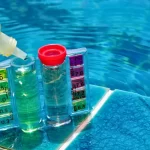
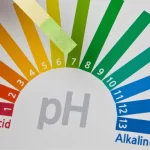
We test for contaminants in water using a variety of methods. Physical parameters such as temperature and pH, biological parameters such as number of bacteria, and chemical parameters such as the amount of particular substance can be ascribed to such tests.
One comprehensive water test might be in order to diagnose the reason for the odd taste of Staten Island’s tap water. A test like that will detect a wide variety of contaminants, which can reveal the presence of any chemicals that are having an effect on the water’s taste.
Interpreting Water Test Results
Interpreting water test results means plotting measured values against standardised water quality. The U.S. Environmental Protection Agency, for example, prescribes Maximum Contaminant Levels of a variety of substances in drinking water. An element with a concentration above these might interfere with the taste of water and may harm one’s health.
The good news is that, even if a contaminant isn’t a violation, it can affect water taste. For instance, the metallic odour of iron is apparent far below what’s considered a health threat.
Addressing Weird Tastes in Tap Water
If you notice unusual tastes in your tap water, consider the following steps:
Flush Your Taps: Run cold water for a few minutes to clear any stagnant water in the pipes.
Use Water Filters: Installing a certified water filter can help remove specific contaminants that affect taste.
Contact Local Authorities: Report any persistent issues to the DEP by calling 311 or filing a report online.
Conclusion
Strange odours in Staten Island’s well water are part of a puzzle made up of nature, treatment and infrastructure. The majority of causes are negligible, however testing can be carried out in advance and solutions such as water filtration keep water clean and residents safe. Monitoring by local officials and open communication are the only way to fix what’s going wrong.
Think Your Tap Water is Unsafe? Test It Today!
If you’re a Staten Island resident and you’ve noticed strange tastes or concerns about the quality of your tap water, it’s time to take action. While most of the city’s tap water meets high safety standards, occasional changes in taste or odor could indicate issues that need attention. Regular water testing can help identify potential contaminants, ensure your water remains safe for consumption, and give you the peace of mind you deserve. Don’t wait until problems arise—take control of your water quality today. Start by testing your water now and make sure your home is equipped with the clean, healthy water you need.
Shedule Your Test Now!
Share this on social media:
Facebook
Twitter
LinkedIn