The Link Between Water Quality and Livestock Health: What You Need to Know
- Published:
- Updated: December 16, 2024
Listen to this article
Summary
Water quality is crucial for livestock health and productivity, as contaminated water can spread diseases and reduce productivity. Factors threatening water quality include agricultural runoff, industrial activities, and waste contamination. Measures to ensure safe water include improving storage systems, implementing best agricultural practices, and monitoring water quality. Livestock producers play a vital role in water management, which benefits from community involvement and supports future sustainability.
- Safe and clean water is vital for livestock health and productivity.
- Threats to water quality include agricultural runoff, industrial activities, and waste contamination.
- Measures to ensure safe water include improving storage systems, implementing best agricultural practices, and monitoring water quality.

Livestock – cows, sheep, pigs, poultry – are an important food source that supplies protein, dairy and other commodities that support the human diet. But livestock health and productivity depend directly on the quality of the water they drink. Water supplies for livestock, in most regions of the world, are full of pollutants, parasites and other pollutants with harmful effects on health and production.
The Importance of Safe and Clean Water for Livestock
Safe and clean water is essential for the health and productivity of livestock. Some of the key benefits of providing livestock with access to clean and safe water include:
- Improved health: Safe and clean water can help to prevent the spread of diseases and parasites, and can help to reduce the risk of waterborne illnesses in livestock.
- Increased productivity: Livestock that have access to safe and clean water tend to be more productive, and can produce more milk, meat, and other products.
- Reduced costs: Providing livestock with access to safe and clean water can help to reduce the costs associated with treating waterborne illnesses and other health problems.
Threats to Livestock Water Quality

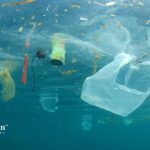
Water quality is an essential factor that must be considered to ensure the health and well-being of livestock. There are several factors that can threaten the quality of water for livestock, including contamination from agricultural runoff, industrial activities, and human and animal waste. Agricultural runoff from fields and pastures can contaminate water sources with chemicals, fertilizers, and other pollutants that can harm livestock.
Similarly, industrial activities like mining, manufacturing, and oil and gas extraction can introduce toxic chemicals and other pollutants into water sources, posing a threat to livestock. Furthermore, human and animal waste can contaminate water sources with harmful bacteria, viruses, and parasites that can make livestock sick. These factors highlight the importance of monitoring and controlling water quality to maintain the health of livestock.
What are the Measures That Can be taken to Ensure Safe and Clean Water for Livestock?
There are several measures that can be taken to ensure that livestock have access to safe and clean water, including:
- Improving water storage and distribution systems: Improving water storage and distribution systems can help to reduce the risk of contamination and ensure that livestock have access to safe and clean water.
- Implementing best management practices for agricultural runoff: Implementing best management practices, such as cover cropping, filter strips, and no-till farming, can help to reduce the amount of agricultural runoff that contaminates water sources.
- Monitoring water quality: Regular monitoring of water quality can help to detect and address any problems with water quality, and to ensure that livestock have access to safe and clean water.
- Providing education and training: Providing education and training to farmers, ranchers, and other livestock producers can help to increase their knowledge about the importance of safe and clean water for livestock and how to ensure that their animals have access to it.
The Role of Livestock Producers in Ensuring Safe and Clean Water
Animal farmers are crucial to keeping animals hydrated and clean. From water quality monitoring to best management, producers of livestock can do various things to make sure that their animals have the water they require to thrive. As farmers take responsibility for water management and keep their livestock well-watered and clean, livestock farmers will make the health and productivity of their herds and flocks a bit better.
What are the Benefits of Improved Water Management for Livestock Producers?
A better use of water can be many things for livestock producers: more yields, less expense and better animals. By utilizing water management (eg, upgrading water storage and distribution, best management practices for agricultural runoff, water quality monitoring), animal farmers can ensure that their animals have access to healthy water. Such activities can increase the bottom line of producers of animals and keep operations going for decades to come.
The Importance of Community Involvement in Ensuring Safe and Clean Water for Livestock
It takes community input for livestock to have access to fresh, clean water. From education and training, to monitoring and enforcement, communities can help ensure livestock producers have the tools to supply their animals with clean water. Together, societies can ensure that livestock get water they need to grow, and that the planet is left for posterity.
The Future of Livestock Water Management
What will happen to livestock water management is anyone’s guess, but there is no doubt that livestock need clean, safe water and in the coming years they will be increasingly desperate. The more people on Earth there are, the greater the need for food and other resources, the more it will be necessary to ensure that animals have clean water. Investing in water management, funding research and innovation, and by sharing the work we can make sure livestock get enough water they need to thrive, and that our food supply lasts generations.
Share this on social media:
Facebook
Twitter
LinkedIn