Pharmaceuticals in Drinking Water: Exposing the Concealed Dangers
- Published:
- Updated: November 21, 2024
Listen to this article
Summary
Pharmaceuticals in drinking water, originating from human waste and improper disposal, pose health risks including antibiotic resistance and hormone disruption. Testing and regulation are lacking, impacting vulnerable populations like infants and the elderly. Alternative water sources include bottled water, filtration systems, rainwater harvesting, well water, and spring water. Industry and government must address this issue through waste management improvements and regulation implementation.

Drinking water also contained drugs, which have become a problem in recent years because they are dangerous to those who drink it. They come from a number of different sources including unmetabolised medications that are transited in the body, and the misuse of wasted drugs. But while more people are learning about drugs in water, the risks are still hidden from them through a combination of regulations and testing. Therefore, it’s important to review the risks of medicines in water and attempt to mitigate them.
Sources of Contamination
It is no accident that drugs end up in the drinking water. One of the main causes is untreated sewage effluent from sewers. The waste from these industries includes not just humans’ faeces but the drugs and hormones they secreted, all of which could end up in the water supply. Many times, these contaminants are not removed by sewer plants, so they end up in the water.
Another major cause of drugs in water is drug discharge from animals. Agribusinesses that use antibiotics and other chemicals end up with these contaminants in soil and water that can get into the public water supply.
Health Risks Associated with Pharmaceuticals in Drinking Water

Pharmaceuticals in drinking water can pose a number of health risks to humans and wildlife. Some of the most concerning risks include:
- Antibiotic resistance: The presence of antibiotics in drinking water can contribute to the development of antibiotic-resistant bacteria. When bacteria are exposed to low levels of antibiotics, they can become resistant to the drugs, making it more difficult to treat infections in the future.
- Hormone disruption: Some pharmaceuticals, such as hormones and hormone disruptors, can interfere with the natural hormonal balance in the body. This can lead to a range of health problems, including reproductive disorders, developmental problems, and cancer.
- Neurotoxicity: Some pharmaceuticals, such as antidepressants and anticonvulsants, can have neurotoxic effects on the central nervous system. This can result in a range of neurological symptoms, including memory problems, confusion, and depression.
- Carcinogenicity: Some pharmaceuticals, such as nonsteroidal anti-inflammatory drugs (NSAIDs), have been linked to an increased risk of cancer.
It’s important to note that the potential health risks associated with exposure to pharmaceuticals in drinking water can vary depending on a number of factors, including the type of drug, the concentration of the drug in the water, and the length of exposure.
Testing and Regulation
We currently don’t have a comprehensive way of testing water for pharmaceuticals, and there isn’t any regulation or guidelines on how high such chemicals should be present. This is not straightforward in understanding how much it is wrong and what to do to defend public health. Not only that, but the available testing methods are costly and time-consuming, so it’s impossible for water utilities to constantly keep an eye on the levels of these contaminants in the water.
Impact on Vulnerable Populations
This effect of drugs in the water supply is especially concerning for young children, pregnant women and older people. Babies are at the prime risk for the hormones and drugs in the water we drink because their body is just emerging, so it’s particularly vulnerable to these contaminants. Women who are pregnant, too, can be affected, because hormones and drugs in drinking water can influence the development of their foetus. Older adults – people who tend to be immunocompromised and susceptible to infection – are more likely to be exposed to antibiotics in tap water.
Alternative Water Sources
Alternative sources of water can be looked at in order to limit the pharmaceuticals in water. Some of the most popular are:
Drinking water from bottles: It is one of the most common alternatives to the drinking water. …But don’t forget that not all bottled water is drug-free and some can contain elements not present in tap water. Remember to read the labels and select a brand that has access to safe water and tested thoroughly.
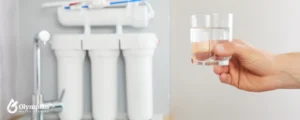
Filtration of home water: Getting a home filter installed can be a smart way to eliminate exposure to medicines in water. There are different types of filtration systems such as activated carbon, reverse osmosis, and ultraviolet (UV) light. Choose a filtration system with a special function for pharmaceuticals that won’t get mixed in the water.
Rainwater harvesting: If you can get rainwater and drink it or cook with it, then this can also be an efficient approach to reducing the exposure to drugs. But remember to store and filter the water to avoid contamination with bacterial and other toxins.
Water from well: Well water can be a good choice as a source of drinking water where the water isn’t contaminated with pharmaceuticals. But be sure to test the water regularly to make sure it’s sanitary drinking water.
Spring water: Spring water comes from the underground aquifers, so it is believed to be uncontaminated. … But you want to make sure that the spring is free of medicines and other contaminants.
There are a number of other water sources that you can look at to avoid getting drugs in your water. Be sure to read through the pros and cons and find one that is right for you and provides healthy drinking water.
What is the Role of Industry and Government?
Drug companies and government have an important vested interest in the problem of drugs in water. Pharma companies can do more to minimise the drug and hormone inputs into the environment, through better waste management and new drug development that is less environmental-degrading.
The state can help, by regulating and setting standards for the pharmaceuticals in the water and funding research and development of new technologies to identify and eliminate them. Also, the government can try to re-engineer sewage treatment facilities, so that they’re better equipped to filter these pollutants from wastewater before it gets into the atmosphere.
Share this on social media:
Facebook
Twitter
LinkedIn

Related Posts