Livestock Health and Water Quality: A Critical Link
- Published:
- Updated: November 21, 2024
Listen to this article
Summary
Water quality is crucial for livestock health, impacting their survival, growth, and reproduction.
- Importance of Clean Water: Essential for temperature regulation, digestion, and waste elimination, clean water prevents dehydration and disease.
- Types of Contaminants: Chemical, bacterial, parasitic, physical, and nutrient contaminants can be harmful to livestock.
- Effects of Contaminants: Lead to dehydration, disease, reproductive and growth problems, impacting productivity and animal welfare.

All animals need water – and livestock is no exception. Cattle, pigs, chickens – they all need water to survive and stay healthy. Yet the water they drink matters so much to their wellbeing.
Importance of Clean Water for Livestock
There are various other reasons why livestock need water — including to stay warm, digest food and dispose of waste. Consuming unclean water causes all kinds of animal health problems, such as thirst, disease and even death. They must not drink water that contains harmful contaminants – chemicals, bacteria, parasites.
Types of Water Contaminants

There are many different types of contaminants that can be found in water, some of which are naturally occurring and others that are a result of human activities. Some of the most common contaminants found in water include:
- Chemical contaminants, such as pesticides, herbicides, and fertilizers
- Bacterial contaminants, such as E. coli and salmonella
- Parasitic contaminants, such as cryptosporidium and giardia
- Physical contaminants, such as sediment and debris
- Nutrient contaminants, such as excess nitrogen and phosphorus
How Water Contaminants Affect Livestock Health?
Water contaminants can have a significant impact on the health of livestock, leading to a range of health problems and even death in severe cases. Some of the most common health problems associated with water contamination include:
- Dehydration: Consuming contaminated water can lead to dehydration, as animals may not want to drink water that tastes or smells bad.
- Disease: Consuming water contaminated with bacteria, parasites, or chemicals can lead to a range of diseases, including salmonellosis, cryptosporidiosis, and toxicosis.
- Reproductive problems: Consuming contaminated water can lead to reproductive problems in livestock, such as reduced fertility and increased rates of stillbirths and birth defects.
- Growth problems: Consuming contaminated water can also impact the growth and development of livestock, leading to slower growth rates and reduced weight gain.
The Role of Livestock Producers in Ensuring Safe Water
Livestock producers play a critical role in ensuring that their animals have access to safe and clean water. They are responsible for ensuring that water sources are tested regularly, that water is treated if necessary, and that water management practices are in place to prevent contamination. In addition, livestock producers should be aware of the signs of water contamination and be prepared to take action if necessary. This may include removing animals from contaminated water sources, treating contaminated water, or seeking veterinary care for animals that have become ill.
How to Ensure Safe Water for Livestock?
It is crucial to ensure that the water consumed by livestock is safe and free from harmful contaminants. Some of the steps that can be taken to ensure clean water for livestock include:
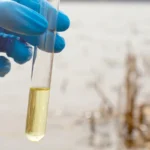
- Testing water regularly: Regular testing of water sources is essential to ensure that they are free from harmful contaminants. This can be done through laboratory testing or using in-field testing kits.
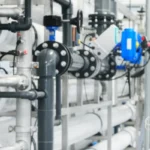
- Treating water: If water is found to be contaminated, it can be treated to remove harmful contaminants. This can be done through filtration, chlorination, or ultraviolet light treatment.
- Improving water management: Good water management practices, such as covering water sources and maintaining clean and well-drained water troughs, can also help to reduce the risk of contamination.
- Monitoring livestock health: Regular monitoring of livestock health can help to detect any problems associated with water contamination early on, allowing for prompt treatment and reducing the risk of long-term health problems.
The Economic Impact of Water Contamination on Livestock Production
The environmental consequences of water pollution can be serious issues for the profitability of livestock rearing. For instance, animals who get sick due to dirty water might need to be vetted, and this increases producer prices. Moreover, water that is not pure can also reduce productivity because animals are less efficient and have less ability to get nutrients from their feed. Moreover, sewage is another reason why low animal welfare affects the reputation of producers and the demand for their products.
The Importance of Government Regulations in Protecting Livestock Water Quality
Water protection for livestock is also maintained by government regulations. States could establish standards for water quality, and punish people who do not. Governments can also lend money and equipment to livestock producers to help them adopt best practices in water use and treatment. And then government legislation can ensure that water sources are not endangered and that water quality is continuously and periodically improved.
The Future of Livestock Water Quality
The world’s population will continue to increase, and the need for animal products will become greater, and it will become more important than ever to have clean and safe water for animals. In the future, there will be more creative and innovative solutions to sustain and improve water quality, so livestock health and welfare are assured, and livestock farming can continue to operate. It can include new technologies for water treatment, better water management and more regulation and government assistance.Top of Form
Share this on social media:
Facebook
Twitter
LinkedIn

Related Posts