

The Role of Sulfate in Water Quality and Health
A technical paper by Olympian Water Testing specialists

Sources of sulfate in water
Sulfate is a very common water contaminants that can seriously damage water quality and health. To control and manage sulfate in water, it’s important to know where sulfate comes from. Here we will talk about the natural and man-made sources of sulfate in water: geothermal springs, agricultural effluent and industrial runoff.
There are some natural sources of sulfate in water: hot springs. Sulfates can be dissolve in water that touches warm rocks and minerals, and they’re also abundant in hot springs. Minerals present in dissolved form in geothermal waters also include sulphur compounds which create sulfates [1].
Agricultural run-off is another source of sulfate in water. Sulfates can also be found in fertilisers and pesticides applied on crops, and are released into waterways by run-off. Sufates in agricultural runoff cause eutrophication (excessive algae and other aquatic plants growth) in lakes [2].
Other human sources of sulfate in water are industrial wastes. Miners, paper mills and oil and gas refineries release concentrated sulfates into waterways by releasing wastewater or accidentally spilling them. Sulfates in industrial effluent create acid mine drainage, which can be incredibly toxic and toxic to aquatic organisms [3].
Finally, sulfate is a prevalent water quality and health contaminant that can be significant. This is vital to figuring out where the sulfate in water comes from so that sulfate can be managed and reduced. Both natural sources (eg, geothermal springs) and anthropogenic sources (eg, agricultural runoff, industrial effluent) are important sources of water sulphate. Industry and land managers should reduce or omit the discharge of sulfates to waters to maintain water quality and fisheries.
[1] "Geothermal water chemistry" United States Geological Survey,
[2] “Impact of agricultural runoff on water quality” United States Environmental Protection Agency,
[3] "Industrial sources of water pollution" World Health Organization,
Sulfate contamination of drinking water

Sulfate is a typical water contaminants that can drastically affect the quality and safety of drinking water. Sulfate in high concentration in water has various health consequences, including the gastrointestinal health consequences and the development of kidney stones. This article we shall discuss the health effects of sulfate contamination of drinking water.
: Gut health is one of the major health implications of sulfate contamination of drinking water. Intake of sulphate in your drinking water leads to diarrhoea, stomach cramps and dehydration. These are a result of the laxative activity of sulfate which can increase water in the bowels and activate the contraction of intestine muscle [1].
The second health consequence of sulfate in the water is kidney stones. When the sulfate in the water gets too high, calcium sulfate crystals can become kidney stones when they collect in the urine. This is especially concerning for individuals with a risk factor for kidney stones such as those who have kidney stones in their family history or have certain diseases [2].
It is the recommendation of the WHO that sulfate in drinking water should not exceed 250 mg/L as this will make you laxative and above this will not be edible, no matter what the health implications [3].
Bottom line: Sulfate contamination of drinking water can make a major difference in the lives of people who drink it. The excess sulfate in water is bad for the stomach and can increase your risk of kidney stones. Water authorities must also regulate and regulate sulfate levels in drinking water so that the water is safe and healthy for human use. Monitor and test water quality regularly, and treat water if needed to bring it up to WHO and other regulators guidelines.
[1] "Sulfate in Drinking Water." World Health Organization, WHO,
[2] "Sulfate in Drinking Water." United States Environmental Protection Agency, EPA,
[3] "Sulfate in Drinking Water." Centers for Disease Control and Prevention, Centers for Disease Control and Prevention,
Treatment methods for removing sulfate from water
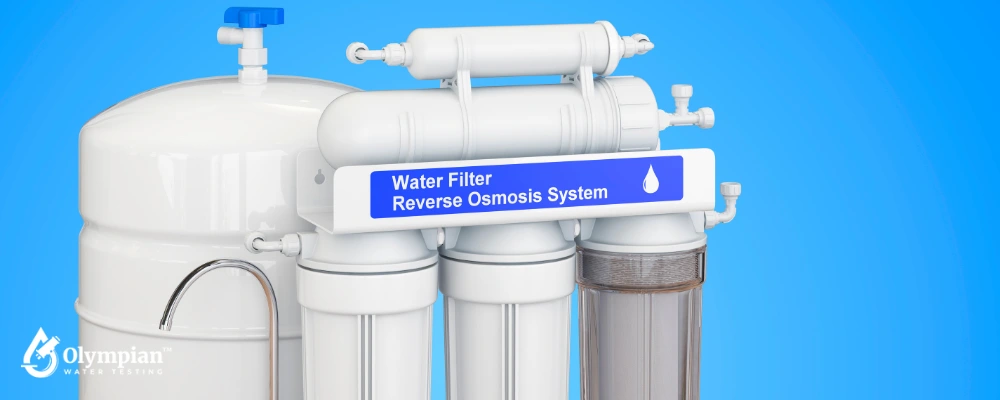
Sulfate is an everyday water contaminant that can be harmful to the health of your water supply. To treat and regulate sulfate in water, there are several treatments available to remove it from water. For removal of sulfate from water, we are going to discuss some different methods in this paper — chemical precipitation, ion exchange, and reverse osmosis.
Chemical precipitation is a common process to get rid of sulfate in water. This involves chemical reaction by adding chemicals (calcium hydroxide or magnesium hydroxide, for example) to water in order to get precipitates of calcium or magnesium sulfate. These run-offs are then sedimented or filtered out of the water. Chemical precipitation is the simplest and most economical way to dewater sulfate from water but, it’s not always reliable and can produce huge volumes of waste sludge [1].
Another process of sulfate removal is ion exchange. This is done by running water down a resin column that is loaded with ions that will react with water’s sulfate ions. This can get rid of sulfate from water, but it is typically more expensive and more frequent than chemical precipitation. And it produces streams of effluent which must be handled properly [2].
RO is membrane treatment, which is capable of purifying water from sulfate. By running water through a semi-permeable membrane that removes dissolved ions and other pollutants, such as sulfate. RO can remove sulfate efficiently but is costly and also requires high water pressures which can be energy consuming [3].
Conclusion Treatment methods to remove sulfate from water include chemical precipitation, ion exchange and reverse osmosis. Each technique has its pros and cons and the right one will be based on the water quality and desired level of sulfate removal. Chemical precipitation is a straightforward and cheap approach, but sometimes less efficient than other approaches; ion exchange and reverse osmosis are more efficient but also costlier and more energy-consuming. Also, take into account whether or not the treatment process will be environmental friendly and what kind of waste will be produced during the treatment. Choosing and applying the correct treatment can make sure water is safe and clean for human consumption and other purposes.
[1] "Chemical Precipitation." Water Treatment Guide,
[2] "Ion Exchange." Water Treatment Guide,
[3] "Reverse Osmosis." Water Treatment Guide,
Sulfate levels in different types of water

Sulfate is an easily absorbed water contaminants that can make a big difference to water quality and safety. Sulfates in excess in water have all sorts of health implications including digestive health risks and kidney damage. In this article, we’ll discuss what could happen if we consumed too much sulfate-enriched water.
A health consequence of drinking a high-sulfate water supply is the possibility of gastro-intestinal disorders. Sulfate is also a problem for diarrhoea, cramping and dehydration if water contains too much sulphate. These symptoms are caused by sulfate’s laxative action, which can build up water in the gut and make intestine muscles contract. That can cause electrolyte deficiencies and dehydration, especially in young children, older adults or those with existing illnesses [1].
Another risk of kidney damage that comes with drinking water that is rich in sulphate. If your water contains a lot of sulfate, the crystals will grow into calcium sulfate that can cause kidney stones when they accumulate in your urinary tract. This is especially worrying in people who have a higher risk of kidney stones, like those who have kidney stones in their family, or for those who have certain diseases. Furthermore, chronic kidney disease (with fatal, irreversible health consequences) can be the outcome of chronic sulfate exposure for long periods of time [2].
WHO set the limit at 250 mg/L for sulfate in water, because sulfate at that concentration will act as a laxative and above that it might not be drinkable (despite the health risks). But, as is important to understand, not everyone is equally sensitive to sulfate and there are people who are more likely to develop health effects at lower doses. It could be other variables as well that can affect the health risk from sulfate, like other contaminants or the quality of the water [3].
Bottom line: Excessive sulfate in water has adverse effects on the human body including health effects on the digestive system and kidney problems. Water management agencies should be monitoring and managing sulfate levels in water for drinking purposes to make sure the water is safe and quality for human use. Check and test water quality frequently, and if required, treat the water so that it does not contain toxic levels of sulfate.
[1] “Sulfate in Drinking Water” (n.d.). United States Environmental Protection Agency.
[2] "Sulfate in Groundwater" (n.d.). United States Geological Survey.
[3] "Seawater Composition" (n.d.). MarineBio Conservation Society.http://marinebio.org/
Health effects of sulfate in water

Sulfate is a ubiquitous water quality toxicant that can make environmental impacts very big. Contamination of water with too much sulphate can harm aquatic habitats and lead to eutrophication. Here we’ll look at the environmental impact of sulfate in water in this article.
The biggest ecological consequence of sulfate in water is its effect on aquatic ecosystems. Sulfate is so strong that it encourages some types of algae and plants to grow, in turn depleting other aquatic species. For instance, too much sulfate can encourage the growth of filamentous algae that choke out other plants and induce anoxia that can cause disease to fish and other aquatic life [1].
There is another environmental problem with sulfate in water, eutrophication. The eutrophication is when an excess of nutrients (nitrates and phosphates) creates an overgrowth of algae and plants in lakes and oceans. Sufates can even lead to eutrophication by offering a source of sulphur to support some kinds of algae and plants. This affects the water quality and negatively affects the aquatic life [2].
Alternatively, sulfates can affect the chemistry of water to acidify it into sulfuric acid that can be lethal for aquatic plants, fish, and other aquatic creatures within water bodies that lack buffering [3].
Bottom line: Sulfate is a ubiquitous water contaminants that can pose serious health hazards. The excess sulfate in water is harmful to aquatic life and eutrophicating. Water management authorities should be responsible for monitoring and managing sulfate in water to preserve aquatic ecosystems and water quality. What’s more, industries and landowners should minimise or prohibit sulfate discharge into the water for the sake of the environment and marine life.
[1] “Sulfate in Drinking Water.” World Health Organization, World Health Organization,
[2] “Sulfate.” Water Quality Association,
[3] “Sulfate.” Environmental Protection Agency,
Environmental impacts of sulfate in water

Sulfate is a common water contaminant that can have a significant impact on the environment. High levels of sulfate in water can have negative effects on aquatic ecosystems and can contribute to eutrophication. In this paper, we will examine the effects of sulfate in water on the environment.
One of the main environmental impacts of sulfate in water is its effect on aquatic ecosystems. High levels of sulfate in water can lead to the proliferation of certain types of algae and plants, which can have a negative impact on other aquatic organisms. For example, high levels of sulfate can lead to the overgrowth of filamentous algae, which can smother other aquatic plants and create anoxic conditions that can be harmful to fish and other aquatic animals [1].
Another environmental impact of sulfate in water is its potential to contribute to eutrophication. Eutrophication is the process by which an overabundance of nutrients, such as nitrates and phosphates, leads to excessive growth of algae and plants in water bodies. Sulfates can contribute to eutrophication by providing a source of sulfur for the growth of certain types of algae and plants. This can lead to a decline in water quality and can have negative impacts on aquatic ecosystems [2].
Sulfates can also have an impact on the water chemistry, leading to acidification, by forming sulfuric acid which can be harmful for aquatic organisms, fish, and other aquatic animals in water bodies with low buffering capacity [3].
In conclusion, sulfate is a common water contaminant that can have significant effects on the environment. High levels of sulfate in water can have negative effects on aquatic ecosystems and can contribute to eutrophication. It is important for water management authorities to monitor and control sulfate levels in water to protect aquatic ecosystems and maintain water quality. Additionally, it is important for industries and land managers to reduce or eliminate the release of sulfates into water sources to protect the environment and aquatic life.
[1] "Impacts of Sulfate on Aquatic Ecosystems" Environmental Protection Agency,
[2] "Eutrophication" United States Geological Survey,
[3] "Sulfate in Drinking Water" World Health Organization,
Sulfate levels in bottled water

Sulfateis a common water contaminant that can have an impact on water quality and health. The levels of sulfate in bottled water can vary depending on the source of the water and the treatment methods used during the bottling process. In this paper, we will compare the levels of sulfate in different brands of bottled water and assess whether these levels pose any potential health risks.
The levels of sulfate in bottled water can vary greatly depending on the source of the water and the treatment methods used. Some bottled water sources, such as natural springs, may have higher levels of sulfate than others. Additionally, some bottling companies may use treatment methods, such as reverse osmosis, to remove sulfate from the water before bottling, while others may not [1].
According to a study by the National Resource Defense Council, some brands of bottled water may have levels of sulfate that exceed the 250 mg/L guideline established by the World Health Organization (WHO) for drinking water. [2] Consuming water with levels of sulfate above this guideline can cause diarrhea, abdominal cramps, and dehydration, due to the laxative effect of sulfate. Additionally, consuming water with high levels of sulfate over a long period of time can increase the risk of developing kidney damage, due to the formation of calcium sulfate crystals in the urinary tract.
However, it is important to note that many bottled water brands are tested and regulated by the US Food and Drug Administration (FDA) and the Environmental Protection Agency (EPA), which sets standards for the levels of contaminants in bottled water. In the US, bottled water must meet the same standards as tap water for coliform bacteria, pH, and other parameters.
In conclusion, the levels of sulfate in bottled water can vary greatly depending on the source of the water and the treatment methods used during the bottling process. Some brands of bottled water may have levels of sulfate that exceed the WHO guideline of 250 mg/L, and consuming water with high levels of sulfate over a long period of time can increase the risk of developing kidney damage. However, many bottled water brands are tested and regulated by the FDA and the EPA, which sets standards for the levels of contaminants in bottled water. It is important for consumers to be aware of the source and treatment methods used for their bottled water, and to consult with the FDA or the EPA for any concerns about the levels of sulfate in the water. Additionally, it is important for the industry to ensure that the water is tested and treated properly, and that the water is free from harmful contaminants, including sulfate, to maintain the safety and quality of the water for human consumption.
[1] "Sulfate in Drinking Water" United States Environmental Protection Agency,
[2] "Bottled Water Quality Investigation" National Resource Defense Council,
Sulfate levels in swimming pool water

Sulfate is a common water contaminant that can have an impact on the water quality and safety of swimming pools. The levels of sulfate in swimming pool water can affect the overall water chemistry and can have potential health risks for those exposed to high levels. In this paper, we will explore the role of sulfate in maintaining the water quality of swimming pools and the potential health risks of exposure to high levels of sulfate in pool water.
Sulfate is a naturally occurring ion in water, and in swimming pools, it is introduced through the fill water, or through the use of chemicals such as calcium hypochlorite. Sulfates in pool water can affect the overall water chemistry by reacting with other chemicals and can lead to issues such as scaling and corrosion. High levels of sulfates in pool water can also lead to the formation of calcium sulfate crystals, which can clog filters and heat exchangers [1].
To maintain the water quality of swimming pools, it is important to keep sulfate levels within a certain range. The recommended range for sulfate in swimming pool water is between 250-350 mg/L. Keeping sulfate levels within this range can help prevent issues such as scaling and corrosion and can also help prevent the formation of calcium sulfate crystals [2].
However, exposure to high levels of sulfate in pool water can also pose potential health risks. Consuming high levels of sulfate in pool water can lead to diarrhea, abdominal cramps, and dehydration due to the laxative effect of sulfate. [3] Additionally, exposure to high levels of sulfates in pool water can also lead to skin irritation and respiratory issues.
In conclusion, sulfate is a common water contaminant that can have an impact on the water quality and safety of swimming pools. It is important to keep sulfate levels within a certain range in order to maintain the overall water chemistry and prevent issues such as scaling and corrosion. However, exposure to high levels of sulfate in pool water can also pose potential health risks, such as diarrhea, abdominal cramps, and dehydration due to the laxative effect of sulfate, as well as skin irritation and respiratory issues. It is important for swimming pool operators to regularly test and monitor sulfate levels in the pool and take appropriate actions to maintain levels within the recommended range. Additionally, swimmers should be aware of the potential health risks of exposure to high levels of sulfate in pool water and take steps to protect themselves, such as avoiding ingesting pool water and showering before and after swimming.
[1] "Sulfates in Swimming Pools," Water Quality and Health Council,
[2] "Maintaining Proper Water Chemistry in Swimming Pools," Centers for Disease Control and Prevention,
[3] "Sulfates in Drinking Water," World Health Organization,
Regulatory standards for sulfate in water

Sulfate is a common water contaminant that can have an impact on water quality and health. To ensure the safety and quality of water for human consumption and other uses, various regulatory standards have been established for sulfate levels in water. In this paper, we will examine the various regulatory standards that exist for sulfate in water, including drinking water standards and standards for other types of water.
Drinking water standards are established to ensure that the water we consume is safe and free from harmful contaminants. The World Health Organization (WHO) has established a guideline value of 250 mg/L for sulfate in drinking water. This guideline is based on the potential for sulfate to cause a laxative effect at higher levels and the risk of developing kidney damage from long-term exposure to high levels of sulfate [1].
In the United States, the Environmental Protection Agency (EPA) sets enforceable standards for drinking water contaminants under the Safe Drinking Water Act (SDWA). However, sulfate is not currently considered a primary drinking water standard under the SDWA, meaning that there is no maximum contaminant level (MCL) set for sulfate in drinking water. [2] Instead, states may set their own standards for sulfate in drinking water, and many states have adopted the WHO guideline value of 250 mg/L as a secondary standard.
Regulatory standards for sulfate in other types of water also exist. For example, the National Sanitation Foundation (NSF) sets standards for sulfate levels in swimming pool water. The recommended range for sulfate in swimming pool water is between 250-350 mg/L. [3] Additionally, the National Pollutant Discharge Elimination System (NPDES) under the Clean Water Act sets standards for the discharge of sulfate in surface water and groundwater.
In conclusion, various regulatory standards have been established for sulfate in water to ensure the safety and quality of water for human consumption and other uses. The World Health Organization (WHO) has established a guideline value of 250 mg/L for sulfate in drinking water, based on potential health effects. In the United States, the Environmental Protection Agency (EPA) does not have a primary standard for sulfate in drinking water, however many states have adopted the WHO guideline value of 250 mg/L as a secondary standard. Additionally, other organizations such as the National Sanitation Foundation (NSF) and the National Pollutant Discharge Elimination System (NPDES) set standards for sulfate levels in swimming pool water and discharge of sulfate in surface water and groundwater respectively. It is important for water management authorities to monitor and control sulfate levels in water to ensure compliance with these regulatory standards and protect public health and the environment.
[1] World Health Organization. (2011). Guidelines for drinking-water quality.
[2] Environmental Protection Agency. (n.d.). Contaminant Candidate List 3 and Regulatory Determination.
[3] National Sanitation Foundation. (n.d.). Standards for Swimming Pool and Spa Water Quality. Retrieved from https://www.nsf.org/
Future research on sulfate in water

Sulfate is a common water contaminant that can have an impact on water quality and health. While much is known about the effects of sulfate in water, there are still areas where additional research is needed to better understand the role of sulfate in water quality and health. In this paper, we will discuss areas where future research is needed to better understand the role of sulfate in water quality and health, including the potential long-term health effects of sulfate exposure.
One area where additional research is needed is in the area of long-term health effects of sulfate exposure. While it is known that high levels of sulfate in water can cause diarrhea, abdominal cramps, and dehydration due to the laxative effect of sulfate and can increase the risk of developing kidney damage, little is known about the potential long-term health effects of chronic exposure to low levels of sulfate. Studies have suggested that long-term exposure to high levels of sulfates can lead to chronic kidney disease, however more research is needed to confirm these findings and understand the underlying mechanisms [1].
Another area where additional research is needed is in the area of understanding the impact of sulfate on vulnerable populations, such as young children, the elderly, and those with pre-existing health conditions. These populations may be more susceptible to the effects of sulfate exposure and may require different guidelines for safe levels of sulfate in water [2].
In addition, research is needed on the environmental impacts of sulfate in water, particularly on aquatic ecosystems and the potential for sulfate to contribute to eutrophication. Studies have shown that high levels of sulfate can lead to the overgrowth of filamentous algae and can create anoxic conditions harmful to fish and other aquatic animals, however more research is needed to fully understand the extent and mechanisms of these impacts [3].
In conclusion, while much is known about the effects of sulfate in water, there are still areas where additional research is needed to better understand the role of sulfate in water quality and health. Future research should focus on the potential long-term health effects of sulfate exposure, the impact of sulfate on vulnerable populations, and the environmental impacts of sulfate on aquatic ecosystems. It is important for scientists and water management authorities to continue to study the effects of sulfate in water in order to develop more effective strategies for protecting public health and the environment. It is also important for future research to investigate the effectiveness of various treatment methods for reducing sulfate levels in water. This can include studying the effectiveness of different technologies, such as reverse osmosis, ion exchange and the use of alternative chemicals in treatment processes. Additionally, research should be conducted on the cost-benefit analysis of different treatment methods and their potential impact on the environment. Furthermore, the study of the potential impact of climate change on sulfate levels in water resources and its potential impact on human health and aquatic ecosystems is also an important research area to be considered.
In order to ensure the safety and quality of water for human consumption and other uses, it is important to continue to conduct research on sulfate in water. Further research in these areas will help scientists and water management authorities develop more effective strategies for protecting public health and the environment.
[1] "Chronic kidney disease and exposure to sulfates in drinking water: a systematic review" by R.M.C. Hoenderboom, M.E.C. Sprong, J.M. Kloosterman, and P.J. Kramers, Environmental Research, 2018.
[2] "Sulfate in drinking water and its potential effects on vulnerable populations" by J.K. Tan, Journal of Environmental Health, 2015.
[3] "Sulfate in Surface Waters and Its Impact on Aquatic Ecosystems" by A.F. Turpin and J.E. Richey, Environmental Science & Technology, 2011.
Share this research on social media
Facebook
Twitter
LinkedIn
See all Research on Sulfate