The Intricate Link: Water Quality and the Water-Wastewater Nexus
- Published:
- Updated: December 16, 2024
Listen to this article
Summary
Water quality is fundamental for life, highlighting the intricate link between water and the wastewater nexus. Understanding this connection is vital, as poor water quality impacts both the environment and human health. It influences water resources and treatment processes, affecting the spread of diseases and ecosystem balance. Identifying and addressing sources of contamination are crucial for managing water quality effectively. Collaboration among stakeholders is essential for preserving and enhancing water quality, necessitating collective action and investment in innovative solutions for sustainable water management.

From our kitchen faucets to the rivers and oceans beyond, life is water. But the purity of water matters just as much as whether it is there. That’s why the water-wastewater conundrum is one that we need to think about. This delicate relation between water quality and the water-wastewater nexus is a complicated one that influences both the environment and our health.
Understanding the Water-Wastewater Nexus
Water-wastewater nexus: is the interaction between the supply and demand of water, the treatment of water, and their environmental and health effects. Water quality and its place in the water-wastewater nexus is a dynamic system, and needs to be fully considered as part of the nexus.
The water-wastewater continuum is interconnected with water quality. Water quality influences water supply as well as wastewater treatment. The poor quality of water can lead to a water supply that’s unsafe to use and also negatively affect the quality and performance of water treatment plants.
Impact of Water Quality on the Water-Wastewater Nexus

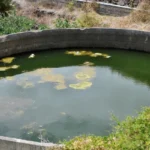
The water quality directly affects the resources as the water quality will also affect the resources causing them to become unusable due to contamination. For instance, pollution of water can lead to transmission of aquatic pathogens and may be harmful to marine animals.
Indirectly, water quality influences water treatment too. Water that is not properly formulated may create toxic by-products as part of the treatment process and can cost and complicate treatment. For instance, contaminants in water can complicate wastewater treatment, which can occupy more time and resources to treat.
What are the Consequences of Poor Water Quality?
Poor water quality can have a range of consequences, both for the environment and for human health. Some of the most significant consequences of poor water quality include:
- Human health impacts: Contaminated water can contain harmful pollutants, such as bacteria, viruses, chemicals, and heavy metals, which can cause serious health problems, including gastrointestinal illnesses, skin infections, and even death.
- Ecological impacts: Poor water quality can have a significant impact on aquatic ecosystems, causing harm to plant and animal life, and altering the balance of aquatic ecosystems.
- Economic impacts: Poor water quality can affect the quality and quantity of drinking water, as well as the availability of water for agriculture and industry, which can have negative economic consequences, including reduced crop yields and decreased industrial production.
- Loss of biodiversity: Poor water quality can reduce the diversity of aquatic species, and lead to the loss of habitats for many species of plants and animals.
- Eutrophication: Excessive amounts of nutrients in water, such as nitrogen and phosphorus, can cause eutrophication, which can lead to the growth of harmful algal blooms and the oxygen depletion of water bodies.
- Climate change: Poor water quality can contribute to climate change by increasing greenhouse gas emissions from wastewater treatment plants, and by reducing the ability of aquatic ecosystems to absorb and store carbon.
Sources of Water Contamination
Water contamination can be of any kind, whether it is natural or anthropogenic. Water contamination is natural if minerals and other substances naturally occur in water; it is anthropogenic if pollution is human caused by industries, agriculture and sewage.
The water pollution should be traced to prevent it from becoming a problem, thus water quality should be managed and improved. This means observing water quality, doing research, and working out how to reduce the contamination pressure on water resources.
The Role of Water Treatment in the Water-Wastewater Nexus
Water treatment is a critical piece of the water-wastewater chain since it removes impurities from water and makes it more healthy. Water treatment may be physical, chemical or biological depending on the contaminants and their amount in the water.
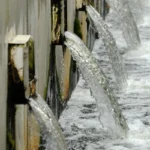
Water treatment in the water-wastewater nexus serves two purposes, making sure water is usable and wastewater is efficiently treated. Improved water treatment also can prevent the release of pollutants in the environment to keep water quality high and preserved.
Best Practices for Improving Water Quality in the Water-Wastewater Nexus
Some best practices can be applied to water quality at the water-wastewater nexus. They are water conservation, water treatment and technology, and wastewater treatment.
Water conservation is a means of mitigating water consumption, decreasing demand and maintaining water quality. This can be done through the use of water saving technology (for example, low flow showerheads and toilets) and the promotion of water conservation (for example, rainwater collection).
Achieving better water treatment processes and technologies is another way to increase water quality at the water-wastewater nexus. This can be filtration systems like reverse osmosis and new technologies like ultraviolet light disinfection to eliminate contaminants in water.
Efficient water-wastewater re-use is also essential for water quality improvement in the water-wastewater triangle. That could be wastewater treatment best practices (constructed wetlands, bioreactors, etc.) and wastewater disposal practices (composting, recycling).
The Challenges and Opportunities in the Water-Wastewater Nexus
This interdependence has both pros and cons for societies and sectors.
Challenges:
Lack of water: Population growth and industrialization are increasing water consumption, strained resources of water.
Old infrastructure: Water and wastewater infrastructure is aging, often not able to be repaired or replaced and often not affordable.
Degradation of water quality: Industrial and agricultural pollutants and sewage discharge also damage water quality and affect human health and the environment.
Shortage of investments: Water and wastewater treatment and management invest too slowly compared to other infrastructure investments, which are not properly treated and managed.
Climate change: Climate change is increasing water depletion and degradation of water quality with rise in temperature, rainfall patterns and increased natural disasters.
Opportunities:
Water reuse: By using treated wastewater for non-potable activities, like irrigation, it saves water and doesn’t overtax freshwater resources.
Better water efficiency: Water conservation technologies like low flow toilets, etc can reduce waste and save water.
New treatment technologies: Technologies in water treatment, like membrane filtration and advanced oxidation, can make treated wastewater better and safe to reuse.
More cooperation: Water, wastewater, and reuse industries can collaborate to use less and reuse more, minimizing the environmental footprint of water management.
Economic returns: A financial return on investment in the water-wastewater triangle includes employment, public health and lower water prices.
To meet the challenges and capitalize on the water-wastewater convergence, we will need to do more than simply manage water. This will involve governments, businesses and societies working together, and investment in new technologies and infrastructure.
The Role of Stakeholders in the Water-Wastewater Nexus
The water-wastewater interface is complex and will need to be co-operated by government, businesses, communities and individuals of all types. All stakeholders can help maintain and enhance water quality, and the water-wastewater nexus can only work as long as all stakeholders do their part.
Regulating and implementing water quality and sustainable water management regulations and policies are key responsibilities of governments. This is something businesses can do to cut their water use and go green with water recycling and water-efficient technology. Societies can do their part by focusing on water use and water leakage, and individuals can do their part by using less water and being more supportive of green policies.
Share this on social media:
Facebook
Twitter
LinkedIn

Related Posts