Understanding Iowa’s Water Sources
Iowa’s drinking water comes from both surface streams and underground aquifers. The Cedar, Des Moines, Iowa, Raccoon, and South Skunk Rivers are vital for towns. Many rural areas rely on wells for their water needs.
Fertilizer runoff can increase nitrate levels, posing risks to Iowa’s water quality. Industrial byproducts also introduce harmful substances, stressing treatment facilities. Public knowledge of these issues encourages support for safe farming and water preservation.
Utilities and state agencies monitor pollutants closely. They invest in advanced testing and filtration to improve water quality. These efforts are critical in defending against threats and ensuring the health of every household.
Major Waterway | Potential Contaminants | Sources |
Cedar River | Nitrates | Agricultural Runoff |
Des Moines River | Pesticides | Crop Spraying |
Iowa River | Industrial Byproducts | Factory Waste |
Raccoon River | Microbial Agents | Livestock Operations |
South Skunk River | Sediments | Soil Erosion |
Federal Guidelines and Local Compliance
The Safe Drinking Water Act establishes national standards to protect public health. The Environmental Protection Agency (EPA) mandates a nitrate limit of 10 mg/L for community water systems. Unfortunately, some areas in the state frequently exceed this limit.
Local water utilities and the Iowa Department of Natural Resources monitor these levels closely. They review samples and issue notices when water quality falls short of federal standards.
Ensuring Iowa drinking water safety requires adherence to EPA benchmarks. The EPA’s 303(d) list identifies waterways that are impaired, highlighting ongoing concerns. Compliance efforts focus on changing farming practices and pollution control methods.
These efforts aim to decrease nitrates in major sources, including urban areas. Modern monitoring tools are essential for tracking contamination levels effectively.
Iowa drinking water safety is a top priority. Local teams are dedicated to bridging any gaps in meeting national standards.
Potential Environmental Contaminants
The increase in nitrate contamination Iowa is a pressing issue for communities near rivers and wells. Many residents are concerned about health risks due to chemical runoff. Reports show a link between long-term exposure and elevated cancer cases.
Scientists attribute the pollution to farm waste and synthetic fertilizers. Pesticides from crop fields also contaminate waterways. This mix of pollutants threatens the safety of drinking water.
Agricultural Runoff and Pesticides
Factory farms produce substantial waste, with liquid manure often leaking into streams. Fields using pesticides see these chemicals stay in soil, flowing downstream during heavy rains. Health experts are on high alert, monitoring nitrate contamination Iowa levels closely.
Industrial Chemicals and Byproducts
Manufacturing facilities release byproducts into local waters, leaving behind heavy metals and other toxic substances. These compounds can cause pipe corrosion and contaminate municipal supplies. The ongoing challenge for oversight agencies is to ensure clean, drinkable water.
Impact of Seasonal Changes on Water Quality
Seasonal thaw and rainfall patterns across Iowa can significantly affect water quality. Spring brings melting snow and heavy downpours, which may wash fertilizers and manure-based nutrients off fields. This situation raises concerns about nitrate runoff reaching rivers and underground reservoirs.
Factory farm pollution in Iowa intensifies during peak periods when more livestock waste is applied. This waste can migrate into streams during high precipitation. For those interested in understanding how changing weather affects water taste, this resource provides valuable insights. By monitoring these transitions and limiting manure application in storm-prone months, contamination risks can be reduced.
Season | Key Challenge | Potential Effect on Water |
Spring | Melting Snow | Increased Nitrate Runoff |
Summer | Heavy Storms | High Sediment and Pollutants |
Autumn | Residual Fertilizer Use | Elevated Contaminant Levels |
Tap Water in Iowa: Quality and Testing Methods
Iowa’s tap water quality varies by region, with private wells showing significant differences. Over 76,000 residents rely on untested well water, exposing them to unknown contaminants. City water sources, like Cedar Rapids, sometimes have high nitrate levels, highlighting the need for awareness.
public health Iowa is a pressing concern, with efforts to safeguard families from harmful substances. Testing programs are essential for early detection of contaminants in drinking water.
Importance of Routine Testing
Regular testing is critical for detecting water quality changes. It can identify chemicals from farms or industrial sites. By monitoring trends, users can determine if treatments are necessary. This approach also minimizes exposure to harmful bacteria.
Key Indicators of Safety
Labs analyze nitrate levels, bacterial presence, and pesticide residues. These results guide whether filtration or other measures are required. public health Iowa relies on accurate guidelines for both private wells and municipal systems. Reliable readings are essential for ensuring tap water safety.
Infrastructure and Water Distribution Systems
Water mains across the state vary in age and design. Some communities enjoy modernized networks, while others struggle with outdated pipelines. These systems can corrode, leaching metals into local supplies. This poses risks to public health and strains overall water quality.
Many cities, including Cedar Rapids, have started upgrading older lines. This effort aims to cut contamination from all angles, including the persistent issue of agricultural runoff Iowa faces each year. Modern materials ensure consistent water pressure and resist corrosion, supporting cleaner water flow.
Aging Pipelines and Modern Upgrades
Older pipes can crack or rust, allowing unwanted particles to slip into the delivery system. Replacement projects focus on durable coatings and improved design. This lowers the chance of leaks and supports long-term sustainability.
Challenges for Rural Communities
Smaller towns often lack funds for large-scale infrastructure overhauls. Limited resources delay critical replacements, leaving these areas vulnerable to added contamination risks. Reduced budgets also heighten the impact of agricultural runoff Iowa encounters, amplifying concerns about safe, reliable water access in rural regions.
How to Access Water Quality Reports
For those concerned about tap water in Iowa, accessing reliable information is essential. The Environmental Protection Agency (EPA) requires annual Consumer Confidence Reports. These reports detail testing methods and possible contaminants. Many city utilities make these reports available online or send them by mail to residents.
Residents can reach out to health departments for updates or when advisories are issued, like the recent boil order in Grimes. Staying informed is critical to act quickly if water pressure is affected by repairs or pipeline incidents. Municipal offices also keep printed copies available for those who prefer physical documents.
- Review city websites for posted findings
- Check local health advisories for urgent updates
- Contact utility hotlines for same-day clarification
By following these steps, residents can ensure safe tap water in Iowa. Reports provide details on testing dates, substance levels, and necessary precautions. This information empowers individuals to make informed choices about their daily hydration.
Resource | Access Method |
Consumer Confidence Reports | City Utility Website or Mailed Copy |
Local Health Department | Office Visit or Phone Inquiry |
EPA Safe Drinking Water Hotline | 1-800-426-4791 |
Water Treatment Technologies for Home Use
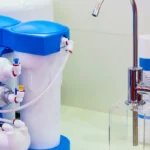
The growing concern over Iowa water quality has prompted many to explore home purification methods. Filtration systems, often the initial choice, employ activated carbon to capture chemicals and odors. On the other hand, reverse osmosis units force water through a semi-permeable membrane, effectively reducing nitrates and volatile organic compounds.
Water softeners are a practical solution for areas with high mineral content, preventing scale buildup on appliances. Some opt for a multi-layered approach, combining various systems to tackle a wide range of contaminants. Each method offers distinct advantages and maintenance needs. Finding the right balance between cost, performance, and local conditions is key to ensuring water quality meets personal safety standards.
- Filtration systems remove some pesticides and unpleasant odors.
- Water softeners lessen calcium and magnesium buildup.
- Reverse osmosis addresses nitrates and reduces volatile organic compounds.

Method | Primary Benefit | Common Targets |
Filtration | Captures chemical residues | Pesticides, chlorine |
Water Softening | Reduces scaling | Calcium, magnesium |
Reverse Osmosis | High-level purification | Nitrates, VOCs |
Public Health Recommendations
Safe practices are key to maintaining trust in drinking water quality in Iowa. They help reduce contamination risks. Local agencies urge residents to act quickly when public alerts are issued. They often advise boiling, filtering, or finding alternative sources until conditions improve.
Official Advisories
Unexpected incidents can occur in communities. For example, Grimes recently had a boil advisory due to a damaged water line. Officials recommended boiling tap water before consumption. Health departments and utilities post updates on infrastructure issues or unsafe test results.
It’s essential for individuals to stay informed through official websites and local broadcasts. This way, they can take necessary precautions.
Tips for Sensitive Populations
Pregnant women, infants, and those with weakened immune systems are at higher risk. Bottled or filtered water is safer for them during advisories. The Iowa Department of Natural Resources suggests regular checks of private wells.
Unexplained symptoms or unusual odors are reasons to test your well. Being aware of drinking water quality in Iowa helps vulnerable groups avoid health issues. This is true for both short-term alerts and long-term concerns.
Common Myths About Drinking Water in Iowa
Many believe one water source is safer than another. Some think private wells are less contaminated, while others believe city water is thoroughly treated each time. These beliefs divert attention from the true focus on Iowa drinking water safety.
Every household, whether on a municipal system or a private well, must undergo regular testing. Pollutants from farms, factories, and natural deposits can contaminate any water system. Understanding this can empower families to make better choices.
Myths vs. Facts
Myths often disregard the importance of regular testing. Some claim well water is pure if it looks clear, ignoring the presence of invisible bacteria and metals. Another myth suggests all municipal water is always safe. Yet, factors like aging infrastructure can impact quality.
Reliable Sources of Information
State Hygienic Laboratory results, EPA guidelines, and local water quality reports provide reliable data. These resources help Iowans ensure Iowa drinking water safety. Regular testing and sampling are key to maintaining awareness and protecting health.
Choosing Safe Drinking Water Every Day
Iowa grapples with the issue of nitrate contamination, a problem that affects health. Medical studies show cancer rates are higher in some areas, pointing to the dangers of farm runoff and outdated infrastructure. The Raccoon River watershed’s agricultural activities led to an average nitrate level of 11.12 ppm in untreated water. This level exceeds the 10 ppm limit set by the EPA.
Des Moines Water Works (DMWW) is working to replace lead lines in older neighborhoods. They aim to reduce contamination risks. Despite outreach to over 55,000 households, only about 10% responded. It’s estimated that around 20,000 properties have lead lines, a replacement cost estimated at over $200 million. Efforts to secure funding for these projects are ongoing.
Residents can protect themselves by testing and filtering their water. Many opt for home filtration systems and follow local guidelines. For more information, they can visit this Iowa water quality resource. It offers insights on testing, treatment, and safety updates. These steps help families stay informed and ensure their tap water is safe.
FAQ
What makes nitrate contamination a major concern in Iowa’s water supply?
High nitrate levels are associated with serious health issues, including cancer and birth defects. The use of synthetic fertilizers and factory farms leads to increased nitrates in urban water sources like the Des Moines River and private wells.
Why are some of Iowa’s waterways considered impaired?
The Iowa Department of Natural Resources lists impaired waterways due to pollutants like nitrates and pesticides. The Cedar River, an urban source, also faces contamination issues. This reflects the state’s ongoing battle with nutrient reduction and industrial byproducts.
How do federal regulations impact Iowa’s drinking water standards?
The Safe Drinking Water Act sets standards enforced by the EPA. Iowa’s utilities must adhere to these rules. Regular monitoring of contaminants, including nitrates, ensures compliance with federal guidelines and the EPA’s 303(d) list requirements.
Can seasonal changes affect water contamination levels?
Yes. Thawing snow and heavy rainfall can introduce agricultural pollutants into rivers and reservoirs. Factory farms generate significant waste, which, when applied as fertilizer, increases nitrate and bacterial levels in surface and groundwater.
How are private wells tested for safety?
Private well owners often test their water themselves. They can use the State Hygienic Laboratory or certified local facilities. Testing for nitrates, bacteria, pesticides, and heavy metals helps identify health risks early on.
Do older water distribution systems pose any risks?
Aging pipes can corrode, leaching metals like lead into tap water. Rural areas in Iowa face this risk due to limited infrastructure funding. Upgrades and modern treatment plants, like those in cities like Cedar Rapids, help mitigate these threats.
Where can residents find their community’s water quality reports?
Annual Consumer Confidence Reports detail contaminant levels and testing data. These reports are usually found on municipal websites or provided by local utilities. Checking these reports is essential for staying informed about nitrate and other contaminant issues.
Which home water treatment methods are effective for Iowans?
Reverse osmosis and carbon filtration systems can reduce nitrates, pesticides, and industrial chemicals. For severe contamination, a layered approach, including distillation, may be necessary. Households consider cost, maintenance, and effectiveness when choosing a treatment method.
What steps can sensitive populations take during advisories?
Pregnant women and those with compromised immune systems should follow boil advisories or “do not drink” notices. Using bottled or filtered water during these periods helps minimize health risks.
Is all municipal tap water in Iowa heavily treated and always safe?
Public water systems treat and test regularly, but nitrate levels can exceed federal standards under certain conditions. Staying informed about advisories and conducting household testing or filtration ensures safer drinking water year-round.