Content
Scale-Forming Water
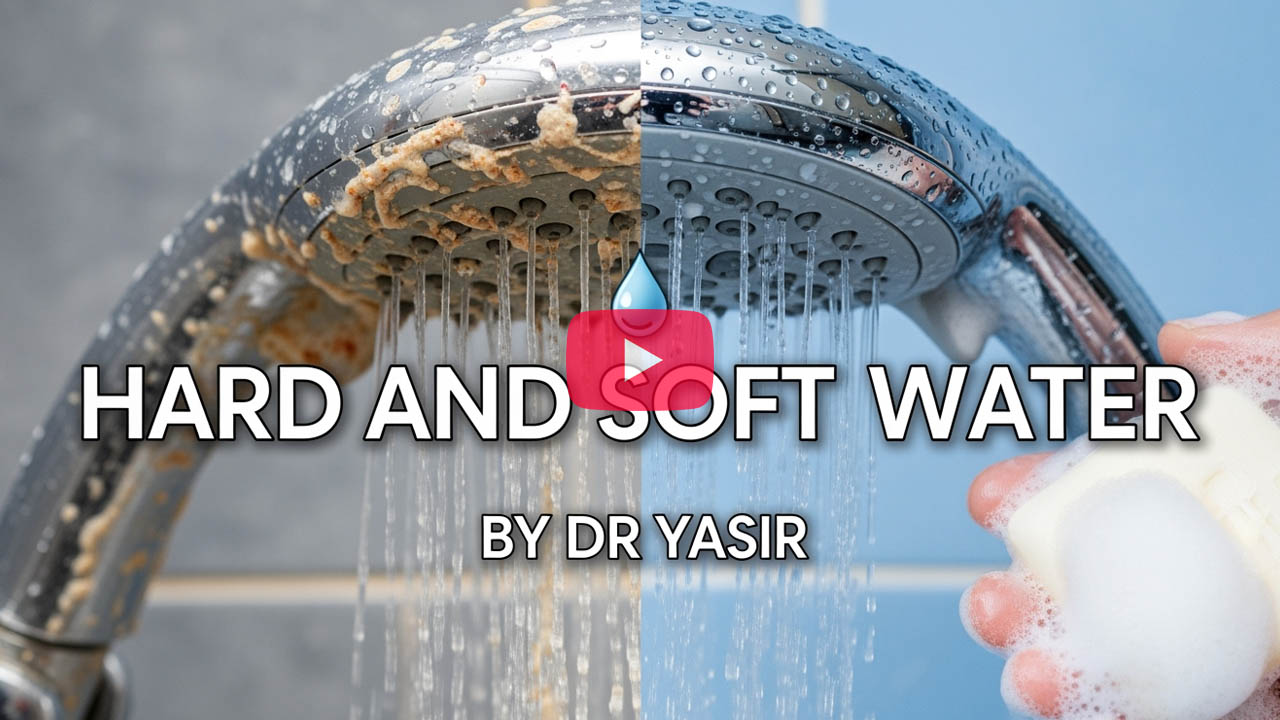
Scale-forming water is water that contains high levels of minerals, such as calcium and magnesium, which can cause scale to form on pipes, appliances, and other surfaces. Scale is a hard, white deposit that can build up over time and can cause a variety of problems, including reduced water flow, reduced heat transfer efficiency, and increased energy use.
Scale-forming water is commonly found in areas with hard water, which is water that contains high levels of minerals. Hard water is not a health hazard, but it can be a nuisance due to the scale it forms and the soap scum it leaves behind. It can also affect the taste and odor of the water.
Scale-forming water can enter the drinking water supply through a variety of sources, including the leaching of minerals from rocks and soil and the infiltration of surface water into the ground water supply. It can also be introduced through the addition of chemicals, such as lime, to the water supply to adjust the pH or to soften the water.
There are several methods for detecting scale-forming water, including the use of a water hardness test kit and the measurement of the total dissolved solids (TDS) in the water. Water hardness is typically measured in milligrams per liter (mg/L) or grains per gallon (gpg). Water with a hardness level of 0-60 mg/L is considered soft, while water with a hardness level of 61-120 mg/L is considered moderately hard. Water with a hardness level above 120 mg/L is considered hard.
Definition and Structure
Scale formation in water is primarily caused by the presence of calcium (Ca²⁺) and magnesium (Mg²⁺) ions. These ions are often present in groundwater that has percolated through limestone or dolomite, which are rich in calcium and magnesium. When the water is heated or the pressure changes, these ions combine with carbonate (CO₃²⁻) or bicarbonate (HCO₃⁻) ions to form insoluble compounds, such as calcium carbonate (CaCO₃) and magnesium carbonate (MgCO₃). The structure of scale deposits typically consists of crystalline forms of these compounds, which adhere to surfaces and form hard, insulating layers.
Historical Background
The phenomenon of scale formation has been recognized for centuries, particularly in areas with hard water. Early water systems and boilers often suffered from scale buildup, leading to inefficiencies and maintenance challenges. The development of modern water treatment technologies in the 19th and 20th centuries aimed to address these issues by removing or neutralizing the minerals responsible for scale formation. Understanding the chemistry of scale formation and developing methods to prevent it have been critical in the advancement of water treatment and industrial processes.
Chemical Properties
Scale-forming water is characterized by its high mineral content, particularly calcium and magnesium ions. The hardness of water, which indicates its tendency to form scale, is usually measured in parts per million (ppm) of calcium carbonate (CaCO₃) equivalent. Water hardness can also be categorized as temporary or permanent. Temporary hardness is primarily due to the presence of bicarbonates, which can be precipitated by boiling the water. Permanent hardness is caused by sulfates and chlorides, which do not precipitate upon boiling. The chemical reactions leading to scale formation often involve the precipitation of calcium carbonate and magnesium carbonate.
Synthesis and Production
Scale-forming water is typically encountered in natural groundwater sources, particularly in regions with high mineral content in the soil and rock. Industrial processes can also contribute to scale formation, especially when water is used for cooling or heating. In these settings, water treatment processes aim to reduce the concentration of scale-forming ions through methods such as ion exchange, water softening, and the use of antiscalant chemicals. These treatments help to prevent the formation of scale and maintain the efficiency and longevity of equipment.
Applications
Managing scale-forming water is essential in various applications, particularly in industrial and domestic water systems. In boilers, cooling towers, and heat exchangers, preventing scale buildup is crucial for maintaining energy efficiency and preventing equipment damage. In household settings, water softeners are commonly used to reduce hardness and prevent scale formation in water heaters, plumbing, and appliances. In agriculture, managing the hardness of irrigation water is important to prevent clogging of irrigation systems and ensure optimal plant growth. Effective management of scale-forming water improves system performance and reduces maintenance costs.
Agricultural Uses
In agriculture, scale-forming water can pose challenges for irrigation systems and crop health. Hard water can lead to the buildup of mineral deposits in irrigation pipes, nozzles, and drip systems, reducing their efficiency and potentially causing blockages. This can result in uneven water distribution and reduced crop yields. To mitigate these issues, farmers may use water softening systems or add chemicals to prevent scale formation. Managing water hardness is essential to maintain the performance of irrigation systems and ensure that crops receive adequate water and nutrients.
Non-Agricultural Uses
Beyond agriculture, managing scale-forming water is important in various non-agricultural settings. In industrial processes, scale buildup in boilers, heat exchangers, and cooling towers can reduce efficiency, increase energy consumption, and lead to equipment failure. In residential settings, hard water can cause scale deposits in plumbing, water heaters, and appliances, leading to increased maintenance and reduced lifespan of the equipment. Water softening systems, antiscalant chemicals, and regular maintenance are commonly used to address these issues and ensure the efficient operation of water systems.
Health Effects
The minerals responsible for scale formation, primarily calcium and magnesium, are essential nutrients for human health. However, scale-forming water itself does not pose significant health risks. The primary concern with scale-forming water is its impact on water systems and appliances. Ingesting hard water is generally safe, and in some cases, it can contribute to the dietary intake of calcium and magnesium. However, extremely hard water can sometimes cause minor issues such as dry skin or hair. Overall, the health effects of scale-forming water are minimal compared to its impact on infrastructure and equipment.
Human Health Effects
From a human health perspective, the primary minerals in scale-forming water, calcium and magnesium, are beneficial and necessary for maintaining strong bones and various metabolic functions. Drinking hard water is generally considered safe and may even contribute positively to overall mineral intake. However, extremely hard water can lead to minor inconveniences such as skin dryness and hair issues due to soap’s reduced effectiveness in hard water. There is no substantial evidence linking hard water to significant adverse health effects, and in many cases, the benefits of mineral intake from hard water can outweigh any minor inconveniences.
Environmental Impact
The environmental impact of scale-forming water primarily relates to its effect on water systems and the need for water treatment processes. The extraction and disposal of scale deposits can result in the release of concentrated minerals into the environment, potentially affecting soil and water quality. Additionally, the use of chemicals for water softening and scale prevention can have environmental consequences if not managed properly. Sustainable water management practices, including the use of environmentally friendly antiscalants and efficient water treatment technologies, are essential to minimize the environmental impact of managing scale-forming water.
Regulation and Guidelines
Regulation and guidelines for managing scale-forming water focus on maintaining water quality and ensuring the efficiency of water systems. In many regions, water hardness is monitored as part of water quality standards, and guidelines are provided for acceptable levels of calcium and magnesium in drinking water. The World Health Organization (WHO) provides recommendations for water hardness, suggesting that drinking water should not exceed 500 mg/L of calcium carbonate. Additionally, industrial standards and regulations often require the use of water treatment processes to prevent scale formation and maintain the performance of boilers, cooling towers, and other equipment.
Controversies and Issues
The management of scale-forming water can involve several controversies and issues, particularly regarding the cost and environmental impact of water treatment methods. The use of chemical water softeners and antiscalants can raise concerns about chemical residues in treated water and their potential impact on health and the environment. There are also debates over the balance between the benefits of reducing water hardness and the costs associated with installing and maintaining water treatment systems. Addressing these issues requires a comprehensive approach that considers economic, environmental, and health factors in the management of scale-forming water.
Treatment Methods
Treating scale-forming water involves several methods to reduce its hardness and prevent scale buildup. Common treatment methods include:
- Ion Exchange Water Softeners: These systems replace calcium and magnesium ions with sodium or potassium ions, effectively reducing water hardness.
- Reverse Osmosis: This filtration process removes dissolved minerals by forcing water through a semi-permeable membrane.
- Chemical Antiscalants: These chemicals are added to water to prevent the precipitation of scale-forming minerals.
- Magnetic and Electronic Descalers: These devices alter the properties of minerals in water to prevent them from forming scale.
- Lime Softening: This method involves adding lime (calcium hydroxide) to precipitate calcium and magnesium as their insoluble compounds.
Each treatment method has its advantages and limitations, and the choice of method depends on the specific water quality and application requirements.
Monitoring and Testing
Monitoring and testing scale-forming water are crucial for maintaining water quality and preventing scale buildup. Regular testing of water hardness, typically measured in grains per gallon (gpg) or parts per million (ppm) of calcium carbonate, helps determine the need for treatment and the effectiveness of existing water treatment systems. Testing can be done using titration kits, electronic hardness testers, or laboratory analysis. Continuous monitoring systems can provide real-time data on water quality, allowing for timely adjustments to water treatment processes. Effective monitoring and testing ensure that water systems remain efficient and free from scale-related issues.
References
- “Hard Water.” United States Geological Survey. https://water.usgs.gov/
- “What is Hard Water?” Water Quality Association. https://www.wqa.org/
- “Water Hardness.” Environmental Protection Agency.
Scale-Forming Water
| Parameter | Details |
|---|---|
| Source | Hard water containing high levels of calcium and magnesium |
| MCL | No specific MCL; secondary standards for aesthetic effects |
| Health Effects | Generally non-toxic; can cause scale buildup in pipes and appliances |
| Detection | Titration with EDTA, atomic absorption spectroscopy |
| Treatment | Water softening (ion exchange), reverse osmosis |
| Regulations | Guidelines vary by region |
| Monitoring | Regular testing in areas with hard water |
| Environmental Impact | Can affect water quality, harm aquatic life |
| Prevention | Proper water treatment, use of water softeners |
| Case Studies | High hardness levels in well water, impact on household appliances |
| Research | Impact on health, treatment methods |
Other Chemicals in Water
Scale-Forming In Drinking Water
| Property | Value |
|---|---|
| Indicator | Water Hardness |
| Measured By | Concentration of Ca2+ and Mg2+ ions |
| Units | mg/L or ppm as CaCO3 |
| Classification | Soft (0-60 mg/L), Moderately Hard (61-120 mg/L), Hard (121-180 mg/L), Very Hard (>180 mg/L) |
| Common Compounds | Calcium carbonate, magnesium carbonate |
| Impact | Scaling in pipes, reduced efficiency of appliances |
| Prevention | Water softening, use of conditioners |
Videos