The Hidden Risks of Copper in Your Tap Water in New York
- Published:
- Updated: January 17, 2025
Listen to this article
Summary
Copper contamination in New York’s tap water, though often overlooked, poses health risks if present in high levels. Understanding its sources, health effects, and mitigation strategies is essential for safeguarding public health.
- Sources: Corroded copper pipes, industrial runoff, improper disposal of copper products.
- Health Risks: Gastrointestinal distress, liver and kidney damage, developmental issues in children, neurotoxic effects.
- Detection and Reduction: Home testing kits, using cold water, cleaning faucets, water treatment systems.

It’s never on anyone’s mind in a city as live and busy as New York to have their tap water be stained with copper. This little fact, however, is profoundly consequential for public health and safety. Copper is a trace mineral that humans need, but if taken too much, it can cause all kinds of problems. Revealing the secrets of the faucet this blog is intended to educate about the dangers of copper in your tap water and give New Yorkers the tools to protect their health.
What Is Copper and How Does It Get into Your Drinking Water?
Copper is naturally occurring in the crust of the earth, the air, the water, the food. It is antimicrobial and malleable which has been a preferred option for plumbing materials and electrical wires. Yet copper in these copper pipes if they get corroded or old will leach copper into the water that goes through them, which could be your tap water. Also, the process can be accelerated by low mineral content of water, water temperature, low pH, and so on.
Copper also gets into our drinking water from industrial runoff or from unrecycled copper products that end up in our waterways and soils. Copper is widely used so, when it is in our water supply, it’s something to be monitored and managed on a continual basis.
Health Effects of Copper Contamination
Copper is an important mineral for human life and participates in many of its physiology’s processes, such as iron transport, energy metabolism, and nervous system function. But if you drink water contaminated with copper, it is toxic to copper, and can produce all sorts of health issues, acute to chronic.
In the short term, copper can cause gastrointestinal upset with nausea, vomiting and diarrhoea. In contrast, if you are long-term copper consumers, it can cause other diseases like liver and kidney damage. It can also be a developmental killer in babies and children, neurotoxic, and harmful to people with Wilson’s disease, which damages the body’s copper-controlling systems.
Regulations on Copper Levels in Drinking Water
Because of the medical concerns around copper, there are federal and state laws to keep copper in water within a safe range. Copper has an action level of 1.3 mg/L that the Environmental Protection Agency (EPA) has ascribed to it. If copper levels are higher than this in over 10% of the customer taps tested, the water system needs to do something else to mitigate copper corrosion.
The New York State Department of Health follows these federal standards, too, and the state’s public water system will also follow the standards. These laws and monitoring are our primary protection against copper in our water.
The Current State of Copper Contamination in New York's Water Supply
The extent of copper contamination in New York’s water supply is a tricky process that must be continuously tested and analysed. The New York City Department of Environmental Protection (DEP) test samples from all five boroughs, in thousands of tests each year, for a variety of pollutants, including copper.
For the most part, copper is in NYC’s water within the EPA’s safe range. But the copper levels can vary substantially from building to building, due to variations in pipe age, corrosiveness of water and plumbing state. This is why individual households or buildings need to test and, if necessary, treat their water for copper contamination.
New York's Measures to Tackle Copper Contamination
New York City is already taking various actions to stop copper contamination in its water supply. The DEP at the systemic level, which uses corrosion control to minimize copper leaching in pipes. The water providers must keep track of copper and react if the action level is exceeded.
Corrective actions may include:
Calibration of the pH or alkalinity of the water to prevent rust.
Replacing corroded pipes
Informing customers how to avoid exposure to copper.
They are part of copper management and the city’s water system is kept safe.
How to Detect Copper in Your Tap Water
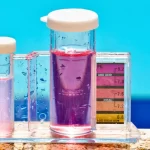
Copper dissolved in water won’t taste, smell or discolor, so without testing it will be difficult to identify. So if you have copper plumbing in your home, or the building is an older building, then maybe you should have your water tested for copper. There are home testing kits available or you can get it done in a licensed laboratory for more precision.
The key to remember here is that you should run the water until it’s cold before you take it in or use it for cooking, especially if your water has been sitting in your pipes for hours. You will reduce the copper you might consume this way.
Solutions for Reducing Copper in Your Drinking Water
You can make a few changes to your drinking water habits to lower your copper intake:
Drink only with cold water: Heat will dissolve copper more than cold water. So never use warm water to drink, cook and make baby formula.
Clean your faucets regularly: Copper can collect in the aerators on the heads of indoor faucets. By cleaning frequently, exposure can be minimised.
Think about water treatment: Certain types of filters can get rid of the copper in your water.
These are steps that can help eliminate copper in your water sources.
Looking Ahead: Future Initiatives to Manage Copper in Tap Water
In the future, we can expect tighter regulation, better monitoring and improved water treatment to control copper in our tap water. The campaigns will also involve education of the public on the dangers and ways to prevent copper contamination.
And also measures to repipe older pipes with newer corrosion-resistant pipes can help to minimise copper contamination. Such current and future work underscores the need for every person to have access to safe, clean water.
Conclusion: Addressing Copper Contamination
Controlling copper in New York’s drinking water is not going to happen overnight without continual surveillance, public education, and corrective action. The city can provide safe water by complying with EPA regulations, implementing corrosion prevention measures, and replacing ageing infrastructure. Copper can be avoided through testing water and the proper filtering equipment on a consumer’s own. Both systemic solutions and individual precautions are necessary in the future to keep all residents safe and healthy drinking water.
Share this on social media:
Facebook
Twitter
LinkedIn

Related Posts