Challenge of Clean Water Access in Angola
- Published:
- Updated: December 16, 2024
Listen to this article
Summary
Dive into the crucial issue of clean water access in Angola, highlighting the disparity between urban and rural areas and the ongoing challenges post-civil war. Discover the barriers, impacts of poverty, and the looming threats of climate change on water availability, stressing the urgent need for innovative solutions and collaborative efforts.
- Infrastructure and Poverty: The civil war’s devastation and poverty have crippled water infrastructure, leaving many reliant on unsafe water sources.
- Geographical and Climate Challenges: Angola’s geography and climate change exacerbate water access issues, with some regions facing severe shortages.
- Future Solutions: Emphasizes the need for sustainable infrastructure, community engagement, and improved governance to secure clean water for all Angolans.

And then there’s the country of Angola, where access to clean water is still a challenge for millions of people in the country. And yet even with water sources such as rivers and groundwater, insufficient infrastructure, population development and prolonged drought impede access to clean water for all. What’s difficult about the clean water access problem in Angola makes it more clear why we need to invest, innovate and collaborate to address this key problem and bring life and health benefits to the Angolan people.
A Glimpse at Angola's Current Water Situation
Clean water is still a big issue in Angola. Though the country has a vast water supply, the country has not been able to offer people safe and clean water. Unacceptably high numbers are not supplied with drinking water and adequate sanitation, with catastrophic health and socio-economic consequences.
The country has made some gains in the area of water availability in cities but rural areas have not yet improved. Urban and rural differences in access to safe water mirror the overall socio-economic inequality of the country.
What is the impact of the Civil War on Angola's water infrastructure and its long-term consequences?
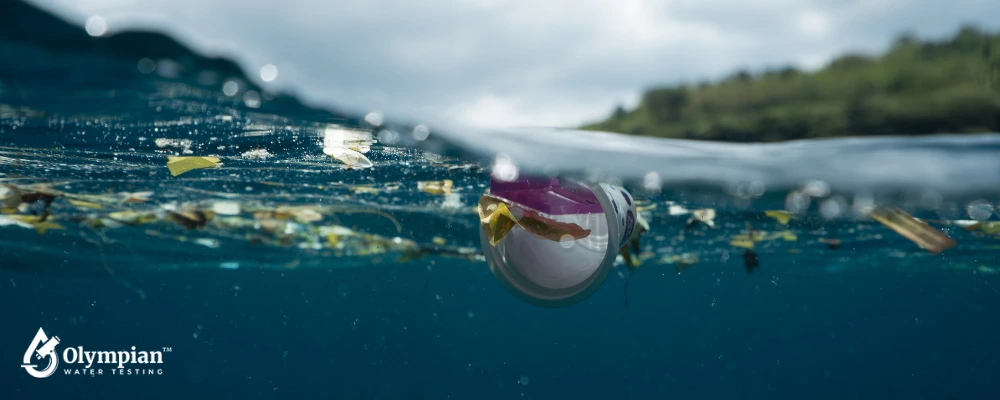
Angola’s civil war that ended in 2002 has ravaged its water infrastructure. The long war caused extensive destruction of water infrastructures that are not yet completely restored.
The reconstruction was not rapid and riddled with obstacles, both financial and technical. Therefore, many still depend on untreated surface water, which is often dirty and unsafe for health.
Geographical Barriers to Clean Water Access
Water access in Angola is also a challenge of the diverse geography. Some of them have water resources, but others (mainly the hinterland areas) are marked by the rugged landscapes and the distances from which water cannot be readily obtained.
Also, these areas are still far from advanced transport and communication networks to successfully implement water projects. Thus the people of these savannas have to trek for hours to bring in water, and they lose precious time that could be spent doing more productive things.
What are the effects of poverty on access to clean water and adequate sanitation?
Among the reasons for poor water availability are poverty and malnutrition. A large portion of the Angolans cannot afford access to clean water and have to settle for poor quality water. Inadequate sanitation infrastructure makes matters worse, as bad hygiene can pollute water.
Poverty also affects water access through a second indirect route, by denying citizens the capacity to buy water conservation technologies or to pay for services to upgrade their existing water system. Therefore, preventing poverty cycle break is key to water access in Angola.
Climate Change and Its Influence on Water Availability
Another major driver of water availability in Angola is climate change. Temperature increases, the weather changes and increased extreme weather events such as droughts and floods all affect water supplies.
Such changes can mean fewer sources of surface water and greater dependence on groundwater that is more difficult to access and more vulnerable to pollution. So it’s not only a matter of the world’s importance, but also crucial for water security in Angola.
Public Health Concerns Stemming from Limited Water Access
Shortages of access to safe water are public health issues. Humans will also have a greater chance of waterborne diseases such as cholera and typhoid if they are compelled to consume contaminated water.
Furthermore, hygiene due to the scarcity of water can be spread disease like diarrhea especially fatal for children. Improved access to clean water, then, is not a mere matter of convenience but a public health priority.
Future Perspectives: Towards Achieving Sustainable Water Access
In the future, the water access problem in Angola will need to be addressed holistically and proactively. Not just infrastructure investment, but also education, community empowerment, and the creation of cheap water technologies.
Solutions could include:
Local Engagement: Engaging with local communities to know what their needs are and to create custom solutions is more sustainable. They might be teaching citizens how to save water and keep themselves clean, or teaching them to clean local water infrastructure.
Building Sustainable Infrastructure: By investing in green water infrastructure (rainwater harvesting or solar water pumps), water access can be expanded while at the same time reducing the impacts of climate change.
Improve Policy and Governance: Water Governance should be better. This would mean having effective water policies, better coordination among government agencies, and transparency and accountability of the water industry.
The Role of Government and Non-Governmental Organizations
The Angolan government and non-governmental organisations (NGOs) have been trying to get water access up and running. They have started a variety of projects to restore water infrastructure, build sanitisation centres and promote water conservation.
NGO’s have, for instance, worked with communities to construct and maintain wells and toilets. In contrast, the state has spent on mega-projects of infrastructure like dams and water treatment facilities. These measures have resulted in gains, but the fight is not over yet to give every Angolan access to safe water.
Share this on social media:
Facebook
Twitter
LinkedIn

Related Posts