Preserving Westchester County's Reservoirs: A Focus on Water Quality
- Published:
- Updated: November 28, 2024
Listen to this article
Summary
Preserving water quality in Westchester County’s reservoirs is crucial for ensuring a reliable water supply and protecting public health and the environment. Threats to water quality, such as pollution from runoff and waste disposal, highlight the need for proactive monitoring and conservation efforts. Community engagement, including proper waste management and water conservation practices, is essential for supporting ongoing preservation initiatives. Future plans focus on enhanced monitoring, pollution prevention, and sustainable practices to ensure the long-term health and sustainability of Westchester County’s reservoirs.
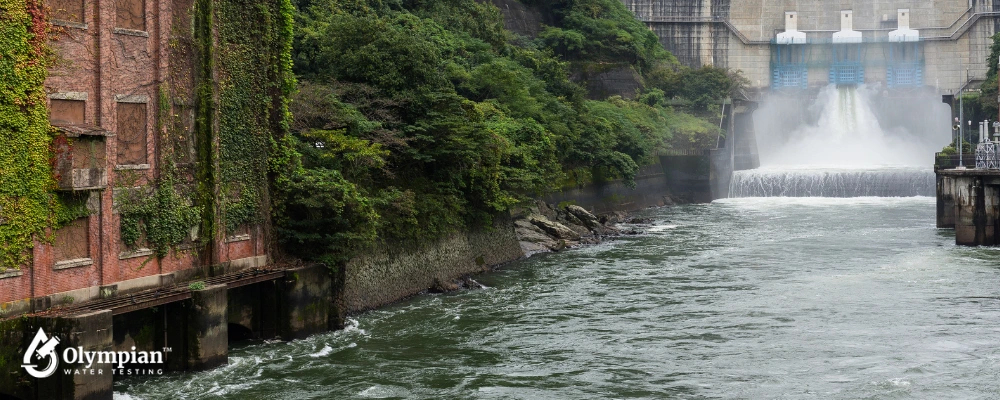
The health of Westchester County’s reservoirs is vital for a sustainable water supply. Those three reservoirs – the Croton, Kensico and Hillview – are essential drinking water for communities throughout the county. Westchester County’s focus on watershed protection, effective water treatment and water quality monitoring will help maintain the health of its reservoirs and ensure that residents have the health they need, and deserve, for a generation to come.
Understanding Westchester County's Reservoir System: A Vital Resource
Westchester County’s vast reservoir system provides clean water for its residents and beyond. They’re reservoirs that not only supply water for hundreds of thousands of residents, but also a host to a plethora of plants and animals that contribute to the county’s lushness.
These artificial lakes, created by silting rivers that already exist, are not merely functional. They offer recreation, they keep local wildlife alive, and they enhance the county’s living standards. Therefore, reservoir health is essential to the health of human and wildlife communities in Westchester County.
The State of Water Quality in Westchester County’s Reservoirs: Current Situation

The water quality in Westchester County’s reservoirs can and does vary as with any freshwater system. From weather patterns to human influence, the water quality may or may not affect whether it’s fit for human consumption and environmental protection.
It’s now trying to make it a point to keep a close eye on the water quality in these reservoirs periodically, for indicators such as temperature, pH, clarity and concentrations of certain nutrients and pollutants. All in all, pretty good but keep your eye out to ensure you have adequate water quality for public health and ecological harmony.
What are the potential threats to water quality in the reservoirs of Westchester County?
There are multiple concerns about Westchester County’s reservoirs. Most salient among them are emissions from different sources:
Runoff: Rainwater and snowmelt can wash nutrients such as fertilisers, pesticides and oils from the streets, farms and lawns into the reservoirs.
Disposal of wastes: Waste and especially toxic wastes are improperly disposed of into the reservoirs’ water bodies.
Abundant Plants & Animals: Non-native plants and animals alter water chemistry and cause damage to native species.
Unmanaged, these risks can threaten the quality of high water in these most important reservoirs.
Importance of Preserving Water Quality: The Environmental and Human Health Implications
The value of water quality can’t be overstated. This is the water we need to keep the ecosystem running well in the reservoirs. Living things dependent on fresh water to survive, and contaminants tamper with these delicate ecosystems.
The reservoirs are providing potable water for many humans from a human health perspective. Making this water safe and clean is essential for waterborne disease prevention and public health. Not only do people drink it, but they use it for recreation and other purposes, making constant water quality even more important.
Efforts to Monitor and Improve Water Quality in Westchester County’s Reservoirs
Conserving Westchester County’s reservoirs is a joint undertaking among many parties. The government, environmental organisations and water utilities all closely observe water quality and watch for indicators of decline.
Alongside monitoring comes a concerted campaign for better water quality. Such measures are public education, environmental law and conservation measures that aim to avoid pollution and keep the reservoirs healthy.
How can residents actively contribute to preserving reservoir water quality through community engagement?
Restoring reservoir water quality involves a lot of community work. The following Westchester County residents can help:
Refuse Arrangement: Intentional rerouting of housewaste, especially toxic material can help to avoid pollutant reaching the reservoirs.
Fertilizers & Pesticides: Reducing or eliminating the use of these chemicals or making use of green alternatives reduces runoff pollution.
Saving Water: Proper use of water keeps the reservoirs full and prevents the use of water treatment.
Participation by the public in clean-up activities, reporting pollution incidents and pushing for green policies can also go a long way. Simply put, restoring our reservoirs is everyone’s job.
Future Plans for Water Quality Preservation in Westchester County’s Reservoirs
To ensure water quality in Westchester County’s reservoirs moving forward is a series of enhanced monitoring, pollution control and public education efforts. This is likely to be assisted by technology, with faster, more reliable water quality tests now available.
Increased environmental regulation and advancement of sustainable practices aim to minimize pollution risks. By way of illustration, promoting green infrastructure can help regulate stormwater runoff, which is the reservoirs’ biggest polluter.
The Road Ahead: Moving Towards Sustainable Water Resource Management in Westchester County
Sustainability is the big push for Westchester County’s water future. This means negotiating water demand with maintaining reservoirs for future use. The quality of the water is part of that.
Efforts to sustain our environment (in this way we conserve water and avoid pollution) will become more important. Meanwhile, it will also need to be monitored and adapted in a constantly changing environment, including through climate change.
Share this on social media:
Facebook
Twitter
LinkedIn

Related Posts