The Future is Now: Innovations in Drinking Water
- Published:
- Updated: December 16, 2024
Listen to this article
Summary
Innovations in drinking water promise a brighter future, addressing challenges like contamination and scarcity. Advanced purification methods, including UV disinfection and nanofiltration, ensure safe drinking water. Smart water networks and decentralized systems revolutionize delivery, while conservation methods like water reuse and rainwater harvesting sustainably manage resources.
- Advanced purification methods like UV disinfection and nanofiltration ensure clean drinking water.
- Smart water networks and decentralized systems revolutionize water delivery, enhancing safety and reliability.
- Conservation methods like water reuse and rainwater harvesting sustainably manage water resources, combating scarcity and promoting environmental sustainability.

The future is now when it comes to drinking water and the innovations going on in this arena. As more and more people seek safe, clean water, scientists and researchers are looking for new and better ways to deliver it to everyone on earth. Whether purification technology or water from elsewhere, what’s coming along is altering the way we conceptualise and use the resource. Drinking water is on the right track, with exciting things to come.
The Importance of Clean Drinking Water
Humans need drinking water, and clean water is one of the most important aspects of health and well-being. Around 1.8 billion people around the world consume a water source polluted with faeces, the World Health Organization (WHO) estimates. This barrier to access causes waterborne diseases – including cholera, dysentery and typhoid fever – but it has economic effects as well, since it negatively impacts productivity and earning opportunities. Drinking water is a right, but it is also a prerequisite for sustainable development and poverty elimination.
What are the Challenges of Providing Clean Drinking Water?

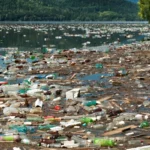
The hurdles to getting clean drinking water to the people are several. The first is to keep water clean and not polluted by pollutants like industrial sludge, farm effluent and waste from people. Water in a lot of developing countries is polluted by poorly maintained sewerage systems and landfills. The second is purifying the water so it won’t have toxic contaminants, and will be drinkable. This is especially challenging in rural areas where there aren’t as many clean water treatment facilities. It should, lastly, get to people and places safely and reliably. Most places on Earth have outdated water supply infrastructures that are contaminated, and this can harm local health.
Innovations in Water Treatment
Water treatment is one of the biggest technological frontiers in drinking water. The world has made major strides toward creating better and newer water treatment processes to clean water safely and remove all kinds of contaminants from it. Some of the more recent developments in this sector involve advanced oxidation processes (AOPs), where pollutants are removed by powerful oxidants like ozone and hydrogen peroxide. AOPs are very effective at filtering all sorts of pollutants, organic pollutants such as pesticides and medications, as well as inorganic contaminants such as heavy metals.
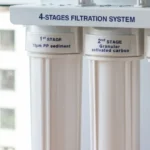
There are also nanofiltration and reverse osmosis (RO) methods that use a semi-permeable membrane to filter contaminants out of water. Such technologies remove dissolved salts and other impurities from water to make it safe to drink. Also of importance is UV disinfection – in water bacteria, viruses and other pathogens are destroyed by ultraviolet light. UV disinfection is a safe and effective water treatment process because it does not produce harmful by-products and it is efficient against all waterborne pathogens.
Innovations in Water Delivery
Water delivery is another innovation in the drinking water space. In many areas, water supply lines are outdated and vulnerable to contamination, at the expense of people’s health. Some solutions to this have been proposed for water delivery. One such is smart water networks that are powered by real-time monitoring and control mechanisms to ensure the safe and reliable supply of water to households and communities. They have sensors, communications and data analytics that enable them to track water quality, leaks and provide the best water possible.
Water decentralised water systems (a form of distributed water systems that draws on natural rainwater or greywater to supply clean drinking water) can also be a solution, especially for communities in remote regions where central water treatment and distribution networks are inaccessible. They’re low-cost and easy-to-maintain systems that’re ideally suited for those with limited budgets. Low-flow showerheads and toilets are another important element in the solution to conserve water as well. By saving water, these technologies can make water sources last longer and less consuming to treat and deliver.
Innovations in Water Conservation
Water conservation is a pressing issue worldwide as communities struggle with water scarcity caused by over-extraction of groundwater, droughts, and the impact of climate change. To tackle this challenge, there have been several advancements in water conservation. One of the innovations is water reuse systems, which recycle wastewater for non-potable uses such as irrigation and industrial processes. These systems help conserve water resources and relieve pressure on water treatment and delivery systems.
Another innovation is greywater systems, which use water from household sources like showers and sinks for non-potable uses like irrigation and toilet flushing. This also helps to conserve water resources and reduce pressure on water treatment and delivery systems. Rainwater harvesting systems are another solution which collect and store rainwater for later use. This is particularly helpful in areas with water scarcity or during droughts and also helps conserve water resources and reduce pressure on water treatment and delivery systems.
The Benefits of Innovations in Drinking Water
Innovations in drinking water have the potential to provide a wide range of benefits, including:
- Improved health and well-being: Access to clean and safe drinking water can reduce the spread of waterborne diseases and improve overall health and well-being. Waterborne diseases, such as cholera, dysentery, and typhoid fever, are a major public health concern in many parts of the world. By providing communities with access to clean and safe drinking water, innovations in drinking water can help to reduce the spread of these diseases and improve overall health and well-being.
- Increased economic opportunities: Access to clean drinking water can improve productivity and increase economic opportunities, particularly in rural and remote communities. In many developing countries, access to clean drinking water is limited, which can negatively impact productivity and economic opportunities. By improving access to clean drinking water, innovations in drinking water can help to increase economic opportunities and support sustainable development.
- Improved environmental sustainability: Innovations in water treatment and delivery can help to reduce water waste and conserve water resources, which is essential for sustainable development. Water conservation is becoming increasingly important, as many communities around the world face water scarcity and the impacts of climate change. By reducing water waste and conserving water resources, innovations in drinking water can help to ensure the sustainable use of this precious resource.
- Increased access to clean water: Innovations in drinking water can help to increase access to clean water, particularly in communities where access to clean water is limited. In many developing countries, access to clean drinking water is limited, particularly in rural and remote communities. By improving access to clean water, innovations in drinking water can help to ensure that communities have access to this essential resource.
The Future of Innovations in Drinking Water
The future of innovations in drinking water is bright, with a continued focus on developing new and improved technologies and solutions. Some of the trends and developments likely to shape the future of drinking water include the increasing use of smart technologies, the adoption of decentralized water systems, the development of new water treatment technologies, and an increased focus on water conservation.
Smart water networks, sensors, and data analytics are set to become more widespread, providing communities with real-time information about water quality and delivery. This increasing use of smart technologies will enable communities to better monitor water quality and ensure safe and reliable water delivery. Decentralized water systems are also expected to become more common, particularly in remote communities with limited access to centralized water treatment and delivery systems. These systems offer a cost-effective and low-maintenance solution for communities with limited resources, helping to improve access to clean drinking water.
In addition, new water treatment technologies are likely to emerge, providing communities with new and improved methods for removing contaminants from water. These advancements will help improve the quality and safety of drinking water, as well as reduce the spread of waterborne diseases. Lastly, water conservation is set to become a growing priority as communities around the world face water scarcity and the impacts of climate change. By reducing water waste and conserving resources, innovations in drinking water can help ensure the sustainable use of this precious resource.
Share this on social media:
Facebook
Twitter
LinkedIn

Related Posts