Clean Water, Clean Planet: The Essential Connection to Sustainability
- Published:
- Updated: December 16, 2024
Listen to this article
Summary
Clean water is vital for sustainability, but pollution and depletion threaten its availability:
- Water supports life, agriculture, and ecosystems, requiring prioritization of conservation efforts.
- Pollution harms wildlife and human health, necessitating action to reduce contaminants.
- Governments, communities, and individuals must collaborate, investing in innovative technologies and policies for water purification and conservation.

Clear water is a precious asset, and life on Earth depends on it. But, as water gets polluted and fresh water runs out, clean water is a real problem. Clean water – and a clean planet – are inseparable because water pollution can be devastating for ecosystems, human health and the economy. Clean water efforts can lead to a cleaner future for both us and future generations.
Importance of clean water for environmental sustainability
There is only so much water and everything depends on the availability of this liquid. Is the water necessary for all industrial processes, agriculture and family use? It is also essential to the life of plants, animals and whole ecosystems. With growing demand for water, securing and conserving water should be top of the list. This will ensure a healthy future for humans and the planet.
What is the role of water in maintaining a healthy ecosystem?

All life relies on water and all ecosystems depend on water. It makes crops and trees grow, aquatic organisms can colonise it, and climate is maintained. Clear water supports species of plants and animals, and is the lifeblood of the world. For instance, wetlands and other bodies of water are vital for migratory birds and other wildlife, while clean water is needed to grow crops and to make food. A healthy, sustainable ecosystem requires the urgent maintenance of the water.
The impact of water pollution on wildlife and human health
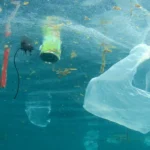
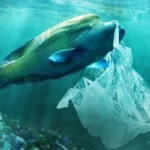
Water pollution is a huge issue with vast impacts for wildlife and people. Substances such as chemicals, contaminants and other toxicants that get released into lakes and streams damage fishes and the environment. Besides, water pollution can also poison drinking water and lead to human and animal health issues. Water contaminated with lead, for instance, is known to lead poisoning and lead defects, developmental problems, and cognitive deficits. We should also take measures to manage water pollution and protect water resources for the wellbeing of all organisms.
Effects of climate change on water resources
Here’s a list of the specific effects of climate change on water resources:
- Drought: As temperatures rise, the demand for water increases, leading to prolonged periods of drought in some regions. This can cause water scarcity and harm agriculture, forestry, and other industries that rely on water.
- Flooding: Climate change can also lead to more frequent and intense flooding, especially in coastal areas. This is due to rising sea levels, which can cause saltwater intrusion into freshwater sources, as well as increased rainfall and heavy precipitation events.
- Glacial retreat: Warmer temperatures are causing glaciers to melt, reducing the amount of fresh water available in some regions. This can impact water availability for drinking and irrigation, as well as contribute to sea level rise.
- Changes in precipitation patterns: Climate change is causing changes in precipitation patterns, which can result in either more or less water in different regions. This can have a significant impact on water resources and ecosystems, as well as affect the availability of water for human use.
Water quality degradation: Rising temperatures and changing precipitation patterns can also lead to the degradation of water quality, impacting aquatic ecosystems and the health of people and animals that rely on these sources of water.
The role of individuals, communities, and governments in promoting clean water and sustainability
Everyone has a role to play in promoting clean water and sustainability. Individuals can make simple changes, such as reducing water usage and properly disposing of chemicals and pollutants, to help protect water resources. Communities can work together to promote conservation efforts and advocate for policies that protect water resources. Governments can invest in infrastructure and technology to ensure access to clean water and reduce the impact of pollution and other harmful substances on water resources. By working together, individuals, communities, and governments can create a cleaner, greener future for all.
Innovative technologies for water purification and conservation
There have been several innovative technologies developed for water purification and conservation in recent years. Some of the most promising ones include:
- Membrane Filtration: This technology uses a semi-permeable membrane to remove impurities from water. This can be done through reverse osmosis, microfiltration, ultrafiltration, and nanofiltration.
- UV Disinfection: This technology uses ultraviolet light to kill microorganisms in water, making it safe to drink.
- Advanced Oxidation Processes (AOPs): This technology uses chemical reactions to remove contaminants from water. Examples of AOPs include ozone treatment, hydrogen peroxide treatment, and photocatalysis.
- Rainwater Harvesting: This technology involves collecting and storing rainwater for later use. This can help conserve water and reduce the demand on municipal water supplies.
- Desalination: This technology involves removing salt and other minerals from seawater, making it safe to drink. This is becoming increasingly important as fresh water becomes scarce in many parts of the world.
- Constructed Wetlands: This technology uses wetlands to naturally purify water. Plants and microorganisms in the wetland help remove pollutants from the water.
- Ion Exchange: This technology uses ion exchange resin to remove ions (such as salt) from water, making it safe to drink.
- Bio-Sand Filters: This technology uses a simple sand filter to remove impurities from water. Bacteria in the filter help break down contaminants, making the water safe to drink.
These are just a few examples of the innovative technologies being developed for water purification and conservation. As the demand for clean water continues to grow, it’s likely that we will see even more advances in this field in the years to come.
Economic benefits of investing in clean water initiatives
A major economic return on investments in clean water projects can be huge. Water conservation and water purification technologies, for instance, can make water treatment and supply more affordable, allowing for more clean water and less water scarcity. Moreover, investment in clean water projects can provide jobs and drive economic development (in the fields of technology and infrastructure). So does clean water in agriculture and industry, and protecting water could benefit them by opening up new businesses and increasing economic activity. We can not only save the environment but boost growth and development with clean water projects.
The future of water sustainability and its impact on the planet
The sustainability of water is directly related to the wellbeing of Earth. Water needs are going to grow with increasing population and we need to protect and save the water supply. This will take individual, community and government action on water waste, conservation and water protection from pollution. Together we can shape a future in which we all have access to safe water and where the Earth stays in good hands for future generations.
Share this on social media:
Facebook
Twitter
LinkedIn

Related Posts