Saving Our Planet with Water Conservation
- Published:
- Updated: January 17, 2025
Listen to this article
Summary
Water conservation is imperative for sustaining life on Earth. As water scarcity looms, it’s vital to adopt efficient practices: Water conservation is imperative for sustaining life on Earth. As water scarcity looms, it’s vital to adopt efficient practices: implementing rainwater harvesting systems, using drought-resistant plants in landscaping, and minimizing water waste in households. Additionally, exploring water conservation methods in deserts can provide innovative solutions for regions facing extreme aridity. By prioritizing these techniques, we can ensure that this precious resource is preserved for future generations.
- Fix leaks promptly to minimize waste.
- Upgrade to water-efficient appliances to reduce consumption.
- Embrace drought-resistant plants and rainwater harvesting to preserve resources.

We cannot do without water and everything on this planet has to have it. It’s needed for agriculture, industry and the home. Unfortunately, that precious resource is in short supply around the globe, and by 2025 half the planet’s population will be residing in water-limited regions. This is why it is so important that we all step up to save water and live for the long term.
Importance of Water Conservation
Water conservation is the process of treating water effectively and sustainably, so that it’s less thrown away and still supplies water to the generations to come. The environmental and economic returns on conservation are huge.
The water saving objective is, of course, water. And if we save water, we keep these ecosystems in balance – where most plants and animals live. The conservation of water is also a means of protecting water resources for future generations, particularly where water resources are already scarce – for example, in deserts or areas of rapid population growth.
Water re-use can save energy too since water requires energy to be pumped, treated and transported. Water uses less energy, and we can make such operations consume less energy. There is also an economic upside to conserving water. So, for instance, the farmers will reduce their water usage in agriculture and make more money. And businesses that utilize water effectively can also get cheaper to operate, and more competitive.
What are the Strategies for Water Conservation?
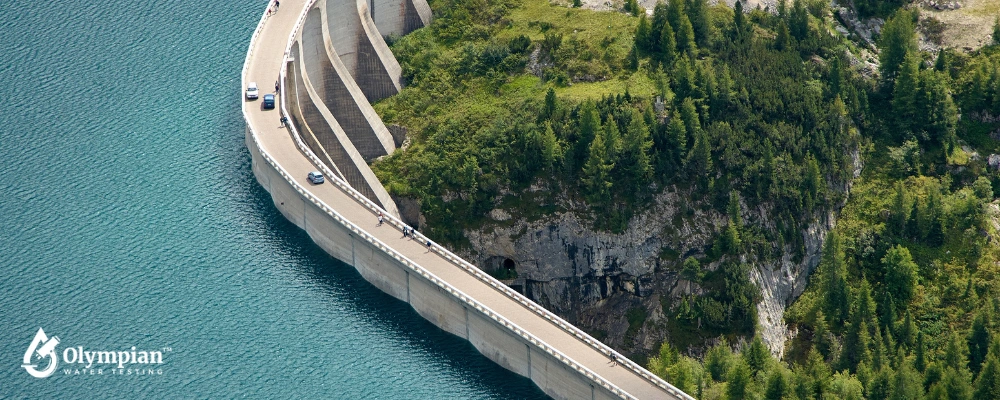
There are many ways people, communities and companies can help conserve water. Voici some of the most popular ones:
Repair leaks: Leaks in plumbing drains waste a lot of water and repairs are a good water saving measure. This can be something as simple as fixing a leaking faucet or replacing a cracked toilet flapper.
Installing water efficient appliances: Replacing old, inefficient appliances with water efficient ones can save a lot of water in the house. : Toilets, showerheads, and washing machines.
Ayurvedic plants: Depending on the region in drought, landscaping with drought-tolerant plants will save you water and watering.
Rainwater collection : Rain barrels or cisterns installed for rainwater storage can be an option to get water for irrigation and so on.
Cutting agricultural water use: You can cut agricultural water use through irrigation technology, horticultural varieties that resist drought, and better water management.
The Role of Governments in Water Conservation
Water conservation and sustainable development are issues for which governments are essential. There are many ways they can contribute to water conservation.
The government could set water conservation policies (eg, water savings targets for homes and businesses). They can also purchase water infrastructure — water treatment facilities, water distribution systems — to make sure water is distributed efficiently and effectively, with less waste and adequate supply to everyone.
Even governments can be very effective at making people aware of the need for water conservation and what can be done to use less water. It could be public awareness drives, school campaigns and local community engagement activities. Then there are the financial incentives for governments to help reduce water consumption, such as rebates on water-saving appliances or tax credits for rainwater harvesting systems.
Fourth, governments need to act on water policies and legislation to make sure businesses and individuals use the water they have and are not wasting it. Including monitoring and controlling water consumption, and penalizing people who break water conservation laws.
What are the Benefits of Corporate Water Conservation Efforts?
Business and companies can have a big impact on the environment, and can be important for water management. If they conserve water, then they are contributing to a more sustainable future by conserving it. A few of the advantages of water conservation by corporations:
Better reputation: Firms who do water conservation can establish a better reputation with customers and partners. The result could be a better customer experience and branding.
Low Operating expenses: Companies reduce their water expenses, and hence increase their profitability. This is especially pertinent for firms operating in water poor regions where water is scarce and costly.
Better resource management: Companies who save water also have better resource management and sustainability. This can be done in a way that minimizes waste and makes resources efficient.
Greater competition: Businesses who spend on water conservation can also compete with each other. Because water-saving companies can cut their operating expenses and make more money, which means they’re more attractive to customers.
Companies can act to conserve water and be part of the more sustainable future – ensuring better use of resources, lower operating costs, and competitiveness.
The Role of Individual Action in Water Conservation
There is also much for people to do in terms of water management. Reduce their water use, and they can save this precious resource for the future.
To save water, take shorter showers. Shorter showers save a lot of home water and is a quick and easy way to save water and cut waste. Fix leaks in plumbing systems — another way to save water. These can be repairs on leaking faucets, toilet leaks, and replacing your outdated showerheads with water-efficient ones.
People can save water, too, by using water saving devices. Swapping old, inefficient appliances for water-saving ones like toilets, showerheads, washing machines, etc. : People can save water in the garden by planting drought-tolerant plants, putting in rain barrels or cisterns to store rainwater, and using effective irrigation.
Conservation of water is a matter we all need to pay attention to. The number of ways we can all help water stewardship and sustainably thrive is vast, be it through companies, governments or even just individuals. Water, by conserving it, will be ours to keep, reduce waste, and make future generations a better place.
Share this on social media:
Facebook
Twitter
LinkedIn

Related Posts