
Overview of Nebraska’s Water Sources
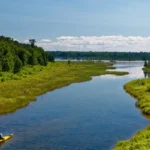
Rivers, lakes, and reservoirs are major contributors to Nebraska’s water supply. Groundwater is essential in many areas, including parts of the Ogallala Aquifer under farmland and suburban areas. Public utilities tap into these sources for city residents. In contrast, rural homes often rely on private well water, which can vary in taste and mineral content.
The geology and soil composition significantly influence Nebraska’s water safety. Some areas struggle with iron or manganese in underground water, while others face high nitrate levels due to agricultural runoff. Sediment can also enter streams after heavy rains, causing turbidity and discoloration. These challenges highlight the need for continuous research into aquifer and stream health. This ensures that Nebraska water safety remains a top concern for communities statewide.
tap water in nebraska: Safety Standards and Regulations
Most communities adhere to established guidelines to ensure safe tap water. State and federal efforts are dedicated to thorough testing and protective measures. These efforts help safeguard local water supplies.
State-Level Monitoring Agencies
The Nebraska Department of Environment and Energy oversees both municipal and smaller water systems. Inspectors monitor for concerns like elevated metals and bacteria. They guide providers to address these risks, ensuring many public supplies meet safety standards.
Federal Guidelines for Drinking Water
The U.S. Environmental Protection Agency sets EPA drinking water standards. These standards outline maximum levels for water contaminants. Facilities must meet these rules and conduct ongoing tests to confirm safety. This consistent oversight aims to protect the population.
Common Contaminants and Recommended Limits
Experts warn about nitrates, arsenic, and other substances that can harm health. Many private wells in rural areas have high nitrate levels, affecting rural water quality. Regular checks and proper filtration help reduce threats, ensuring cleaner drinking water.
How Agricultural Practices Affect Water Quality
Fertilizer use on Nebraska’s cornfields increases yearly to boost yields. Manure on feedlots leads to higher nitrate levels, which contaminate local wells. These substances are linked to pediatric illnesses, raising concerns about long-term health risks from contaminated water.
Agricultural runoff from large fields often ends up in rivers and ponds. This runoff carries harmful elements that can persist in drinking water, endangering rural communities. Researchers at the University of Nebraska provide ongoing data on nitrate levels, urging a reduction in chemical use. They advise residents to stay informed and consider regular water testing to protect against pollutants.
- Higher nitrate levels in groundwater
- Increased risk of pediatric cancers
- Need for stricter fertilizer regulations
Filtration and Treatment Methods to Consider
Ensuring water quality is a continuous process that requires the right filtration methods. This is essential for those using tap water in Nebraska and those with private wells. Each source poses unique challenges, necessitating either home-based or municipal solutions.
In-Home Water Filters
In-home units, such as reverse osmosis and carbon systems, are designed to combat nitrates, metals, and odors. Reverse osmosis filters out a broad spectrum of contaminants, while carbon filters aim to eliminate unpleasant tastes. It’s vital to replace these filters as recommended by the manufacturer to maintain their effectiveness.
Local Treatment Facilities
City water treatment facilities employ various methods, including coagulation, sedimentation, and advanced disinfection. These steps are aimed at reducing pathogens and impurities. Certified technicians monitor water quality to ensure it meets government safety standards. Public treatment plants serve numerous households, adhering to strict guidelines to safeguard public health.
Importance of Regular Maintenance
Maintenance is key to the longevity and performance of any filtration system. Filter cartridges degrade over time, and professional inspections can uncover hidden problems. Regular testing is critical to maintaining consistent quality, regardless of the system used.
Method | Contaminants Addressed | Maintenance Tip |
Reverse Osmosis | Nitrates, metals | Change filters every 6–12 months |
Carbon Filter | Chlorine, odor | Replace media regularly |
Exploring Rural vs. Urban Water Supplies
Smaller towns and tribal communities face significant challenges compared to larger cities. They often lack the resources needed to handle crises effectively. This situation puts a strain on rural water quality, with many families relying on private wells. These wells receive little to no real-time monitoring, leading to health risks.
In Santee Sioux, the slow pace of repairs and limited funds have put residents’ health at risk. This highlights the urgent need for better support in rural areas.
Urban utilities, on the other hand, adhere to strict regulations and maintain modern infrastructure. Remote areas, with their aging systems and limited budgets, struggle to keep up. The lack of trained teams can significantly delay responses to emergencies, such as pump failures or contamination.
- Frequent inspections preserve Nebraska water safety in city systems.
- Community funds in rural regions often lack coverage for major repairs.
- Supply lines in remote places may take weeks to replace or upgrade.
Residents in rural areas may seek help from lending agencies or health departments. Others look to outside experts for solutions to protect their water. This investigative report sheds light on the ongoing water issues. It also explores ways to ensure the safety of private well water for future generations.
Recognizing Signs of Possible Water Issues
Households often notice early signs of water contamination before facing severe health risks. Even minor changes can indicate hidden contaminants, prompting residents to investigate their tap water.
Unusual Taste or Odor
Strange flavors or distinct smells can signal contaminants’ presence. In Nebraska, some have reported sulfur-like scents or tangy tastes. This raises questions about whether their water meets EPA standards.
Discoloration and Sediment
Brownish residue in sinks or reddish streaks in toilets may indicate a problem. In Santee, white flecks floating on water surfaces suggest manganese buildup. Any unusual particles or discoloration should raise concerns.
When to Seek Professional Testing
Qualified labs can identify specific contaminants in a home’s water supply. Early detection helps manage costs, protect families, and maintain peace of mind. Regular monitoring prevents small issues from becoming major threats.
Health Implications of Drinking Contaminated Water
Drinking unsafe water poses significant health risks from contaminated water. Research indicates that prolonged exposure to water contaminants may increase the risk of pediatric cancers and conditions like “blue baby syndrome.” Excessive metals, such as manganese, can harm neurological functions, mainly in children. Infants, pregnant women, and those with weakened immune systems are at higher risk when contamination levels surpass safe limits.
- Nitrates above 10 ppm have been linked to increased cancer cases, as shown by a peer-reviewed Environmental Working Group study.
- Manganese levels averaging 793 μg/L in one study correlated with reduced cognitive development in children.
- Infections caused by microorganisms, such as E. coli and Giardia, can trigger severe stomach illnesses.
The EPA drinking water standards emphasize consistent monitoring to protect vulnerable populations. Regular tests can identify threats early, minimizing harm. It is advisable to consult this reference for strategies to prevent contamination and protect health. Adopting a proactive approach to water quality is essential for safeguarding families from preventable health issues over time.
Travel Tips for Visitors Drinking Nebraska’s Water
Short-term visitors may find the local supply safe in many urban spots. Rural areas carry higher nitrate risks, as groundwater contamination has nearly doubled statewide. This change highlights the critical need for Nebraska water safety.
High levels of nitrates can cause health concerns, most significantly for infants. One-fifth of the state shows estimates above five parts per million. Smaller communities often lack updated systems. Long drives through farmland might lead travelers to stop in places with older infrastructure. Awareness of these dynamics is key to safeguarding health.
Bottled Water vs. Tap
Choosing between bottled water vs tap is often a personal decision. Tap water in Nebraska typically meets basic regulations. Yet, private wells in remote towns are not held to the same standards. Bottled options in high-risk zones can reduce worries about contamination.
Tips for Sensitive Stomachs
Some visitors prefer using bottled water for brushing teeth. Portable filtration tablets or well-sealed filter devices help minimize discomfort. Checking local notices before drinking from unfamiliar sources can lower the chance of stomach issues.
Local Recommendations for Safe Consumption
Local health departments propose extra caution during boil orders. Hotels often rely on monitored water systems for guest safety. Travelers can stay informed by scanning community websites for updated water conditions.
Tip | Benefit |
Check advisories | Identifies problem areas before arrival |
Use portable filters | Removes common pollutants on the go |
Stay hydrated responsibly | Maintains comfort while traveling in rural zones |
Reflecting on the Quality of Nebraska’s Water
Water in Nebraska is a critical resource that demands ongoing attention. The quality of rural water hinges on responsible practices, mainly in the face of agricultural runoff. Communities often opt for filtration methods or advanced treatments for extra assurance.
Challenges arise from aging infrastructure and limited budgets. Yet, some communities are proactive, investing in well-head protection and forward-thinking planning. There’s hope that these efforts will pave the way for future generations to have access to safe water.
State programs and tribal initiatives are driving local leadership to tackle new threats. Advanced technology also plays a role in protecting communities from pollutants. While solutions may seem slow, they show that progress is attainable.
Leaders advocate for better fertilizer management and regular well testing in high-risk areas. These actions directly address certain contamination risks. By taking control of their water stewardship, communities can ensure a healthier future.
FAQ
Is the tap water in Nebraska generally safe to drink?
Public water systems in Nebraska adhere to strict EPA regulations. This ensures safe levels of contaminants like nitrates, metals, and bacteria. Yet, private wells in rural areas often lack regulation. This makes water testing and filtration critical for individual properties.
Why is the Ogallala Aquifer so significant?
The Ogallala Aquifer is a vital source of groundwater for Nebraska. It supports both drinking water and agriculture. Yet, access varies by location. Some areas face naturally occurring contaminants or agricultural runoff, affecting water quality.
What role do state agencies like the NDEE play in water safety?
The Nebraska Department of Environment and Energy (NDEE) enforces EPA-inspired guidelines. They monitor contaminants like nitrates, manganese, and bacteria. This ensures public water systems meet limits. They also issue advisories and help communities address contamination.
How do agricultural practices impact water quality?
Fertilizer use, manure application, and feedlot runoff can introduce high nitrate levels into groundwater. Over time, these nitrates can accumulate, posing health risks. Monitoring farmland and optimizing fertilizer use can reduce contamination across the state.
Which filtration methods effectively remove contaminants?
Homeowners often use reverse osmosis, carbon filtration, or distillation to address contaminants. Proper installation and regular maintenance are key. This ensures these systems continue to provide clean drinking water.
Are rural areas at higher risk for water contamination?
Rural communities often rely on private wells or outdated infrastructure. This can lead to unregulated water quality. When contamination occurs, limited funding and fewer resources can delay solutions. In contrast, urban areas have more robust systems and immediate compliance protocols.
What signs may indicate a problem with the water?
Metallic or sulfuric odors, discolored sinks, or sediment in clear glass are warning signs. If water tastes odd or shows unexplained changes, testing for nitrates, heavy metals, and bacteria is essential. This prevents serious health issues.
What health concerns arise from contaminants like nitrates or manganese?
High nitrate levels are linked to certain cancers. Excessive manganese can harm neurological development in children. Other contaminants may cause acute illnesses or long-term health problems if not addressed through testing and treatment.
Should travelers worry about drinking water in remote parts of Nebraska?
Hotels and urban facilities often undergo regular testing. Yet, travelers in rural areas or reservations may face limited infrastructure. Using bottled water or portable filters is advisable. Checking local advisories helps visitors stay informed about regional contamination concerns.
Can Nebraska’s water quality improve with current technology and regulations?
Yes, collaboration between state agencies, local communities, and federal programs offers strategies for improvement. Monitoring fertilizer use, investing in water treatment, and regular well testing are key. Nebraska residents and leaders work towards safer drinking water through these efforts.