
Debunking Common Myths about Heavy Metals in Drinking Water
- Published:
- Updated: January 17, 2025
Listen to this article
Summary
Explore the realm of copper-related drinking water issues, addressing symptoms, sources, and remedies. Despite its importance as a mineral, excessive copper can cause taste issues and health risks. Recognize copper contamination sources, symptoms, and remedial measures to safeguard drinking water quality and ensure optimal health.
- Essentiality vs. Toxicity: Not all heavy metals are harmful; iron, zinc, and copper are vital for health but toxic in excess.
- Sources Beyond Industry: Heavy metal contamination can stem from natural geological sources and aging plumbing systems, not just industrial areas.
- Boiling Misconception: Boiling water doesn’t remove heavy metals; it can even concentrate them due to evaporation.
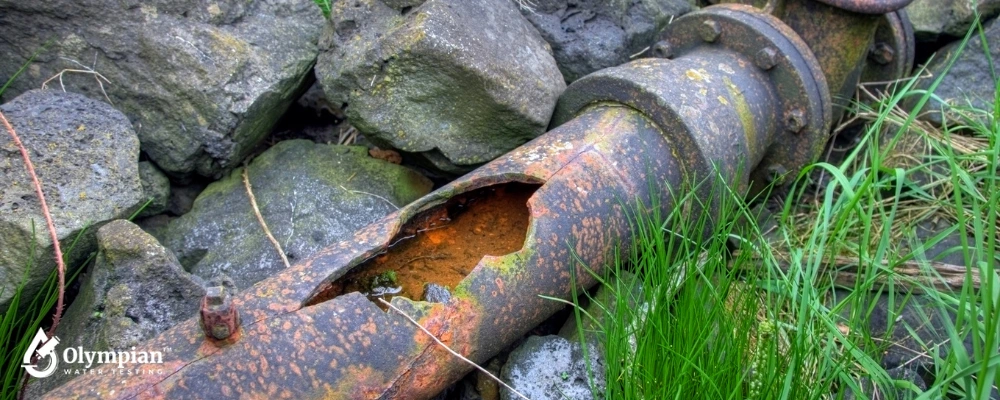
Explore the world of copper water problems and go on a journey to find out how to solve this everyday issue. Although copper is a mineral that we must have, when the mineral levels in your drinking water exceed certain parameters, you will find a poor taste, discoloration, and even health problems. Once we know what causes copper pollution, how to recognize copper symptoms, and then do the right thing about it, we can make sure our water is safe and clean, and we are in good health as well for ourselves and those around us.
Understanding Heavy Metals in Drinking Water
Heavy metals are natural pollutants, which we can find in our water supply in many ways. They are very toxic when they’re present in excessive quantities. But there are still lots of myths about heavy metals in tap water to overcome.
Knowing what heavy metals are, how they enter our water, and what the effects on health might be are important starting points to proving these lies wrong. Only then can we know what to do about keeping our drinking water safe. Additionally, it is crucial to educate ourselves about the myths about New York City water that often circulate, leading to unnecessary fear and confusion. By addressing these misconceptions head-on, we can foster a more informed community that advocates for clean water initiatives. Ultimately, understanding the true nature of our water sources empowers us to demand transparency and accountability from our local authorities.
Myth: All Heavy Metals are Harmful

Not all heavy metals are bad, although it is common belief. And indeed, certain heavy metals – iron, zinc and copper, for example – are necessary for our bodies. They’re essential to the functions of many biological processes, from oxygen transport to immunity to DNA production.
But such metals have value only in very small quantities. They are toxicity in the presence of high concentrations. The trick is to have the right proportion, and not have too much of these metals in our water.
Myth: Only Industrial Areas Have Heavy Metal Contamination
The misconception that heavy metal pollution happens only in industrial zones. Industrial activity is a source of heavy metals in water, but it’s not the only one.
Metals can also be obtained naturally, in parts of the Earth where ores of some kind are plentiful. What’s more, older homes with older plumbing systems can harbor heavy metal contamination when pipes become rusty. Which translates to the fact that heavy metal contamination might occur anywhere.
Myth: Boiling Water Removes Heavy Metals
Myth: Boiling Water Removes Heavy Metals Myth: Boiling Water Washes Out Heavy Metals
One group thinks boiling water gets rid of heavy metals. Unfortunately, this is not true. Boiling water kills bacteria and microbes, but not heavy metals.
Actually, boiled water can contain heavy metals sometimes. After boiling, the water disintegrates leaving more concentrated water with the heavy metals that were already there. It’s so bad that if you boil water as a method of water purification, the issue will get even worse.
Myth: Bottled Water is Always Free of Heavy Metals
People believe bottled water is inherently free of heavy metals but it is not always. Bottled water isn’t always safe and can also be heavy metal-contaminated.
Recall that the laws on bottled water are very different from country to country, and even country to country. And thus bottled water may be safe and convenient, but it’s no guarantee against heavy metals in water.
Myth: Water Treatment Plants Remove All Heavy Metals
You think that water treatment plants remove everything, including heavy metals. These are good water treatment plants — which do a great job of removing all heavy metals from water for consumption.
High-performance treatment can filter out most contaminants but is costly and not always used in all plants. This means some heavy metals might still be in the treated water if the source water is heavily polluted.
Myth: Home Water Filters Can't Remove Heavy Metals
There are those who think home water filters can’t filter out heavy metals. Several home filtration systems in fact remove heavy metals from the water we drink. It’s all about filter type. For example:
Activated Carbon Filters: This is great for organic matter and chlorine, but not so good for heavy metals.
Reverse Osmosis Filters: They can be used to clean out almost anything from heavy metals to ozone.
Distillers: Distillation is another method of heavy metal elimination from water.
The filter you choose will be determined by the kind of contaminants you are trying to purge. If heavy metals are a worry, consider a system such as reverse osmosis or distillation.
Myth: All Heavy Metals Cause Immediate Health Effects
Although there’s certainly a direct health effect of excessive levels of certain heavy metals, not all heavy metals do. Some, such as lead and mercury, can build up in the body and have a harmful long-term impact.
This accumulated accumulation can develop into long-term conditions such as kidney disease and neurologic disease. So it’s so important to control and track our heavy metal exposure even if it doesn’t make us sick immediately.
Share this on social media:
Facebook
Twitter
LinkedIn

Related Posts