Reverse Osmosis Filtration: The Ultimate Guide for Exceptional Water Quality
- Published:
- Updated: December 16, 2024
Listen to this article
Summary
Reverse osmosis (RO) filtration offers superior water quality by removing contaminants through a semipermeable membrane. This process ensures clean, safe water, vital for health and well-being, by eliminating harmful substances while preserving beneficial minerals. Understanding RO components, installation, maintenance, and comparison with other methods is crucial for informed decision-making.
The Magic of Reverse Osmosis: RO systems use semipermeable membranes to filter out contaminants, delivering pure water through applied pressure.
Components of an RO System: Pre-filter, RO membrane, post-filter, and storage tank work together to ensure high-quality water.
Installation and Maintenance: Installing and maintaining an RO system involves assembling components, proper location selection, regular filter replacements, and troubleshooting.

Reverse osmosis, in a nutshell, is water purification through the passage of water through a semi-permeable membrane. This occurred because of the natural osmosis process in which a salty solution is moving towards a salty one. And when we reverse this cycle, we can scrub out the bad stuff, leaving you with healthy water.
What makes reverse osmosis magic are the microscopic pores of the semipermeable membrane. Such pores let water molecules get through, but trap bigger particles (salts, chemicals, bacteria). The end result is clean water, that is without most contaminants. And all of this because pressure has been put on the salty solution on one side of the membrane, forcing it through, and dissolving impurities.
Why is clean water important?
So let’s dig a little deeper to learn why pure water is important. We need clean water because it’s not just good tasting, it’s important for our health. From toxic bacteria and viruses to heavy metals and chemicals, there can be contaminants in water. These can cause illness such as intestinal issues, fertility and neurological disorders when eaten.
That’s where reverse osmosis filtration steps in. Since RO removes most of these contaminants, we’re left with water that’s safer and better tasting. This is the filter process that gets rid of potentially dangerous contaminants and keeps in beneficial minerals your body needs.
Components of a Reverse Osmosis System
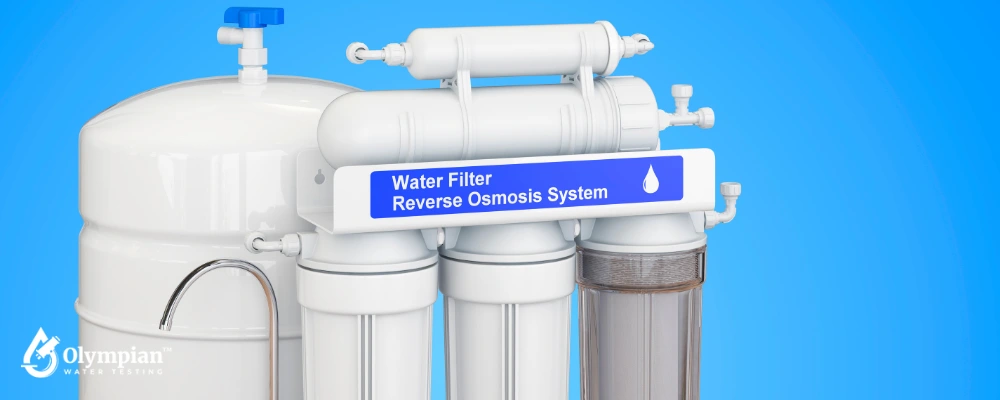
A reverse osmosis system isn’t just a semipermeable layer. It’s a system with many parts working in tandem.
Pre-filter removes sediment and silt particles bigger than 10 mm and does not damage the RO membrane.
RO Membrane – The RO Membrane is the heart of the system that traps all types of smaller particles.
The Post-filter step scrubs off the water removing the taste or odour.
The Tank Stores the clean water, ready to be utilized.
Each element works hand in hand to make sure you have the best water available to you.
How to Install a Reverse Osmosis Filtration System
A DIY RO installation might seem a difficult endeavor but with a little help and the right materials it can be completed in a matter of minutes. So first thing first, you have to build your RO system with manufacturer’s instructions. When you’ve got that figured out, get a place under your sink to install the system. You’ll have to hook it up to your water supply, so put it in close to a cold water line and drain.
Install the system on the cold water hose with the adapter included. Fix the drain line to the drain at the sink using a saddle clamp. Once all this is connected, place the RO faucet in your sink or counter top. Don’t forget to read the exact instructions on how to install it from the manufacturer as different models might have different requirements.
Maintenance and Troubleshooting
Keep your RO system up to date, maintenance will make it last for a long time. Always inspect and change filters per manufacturer’s instructions, about every 6-12 months for pre- and post-filters, and every 2-3 years for RO membrane.
Signs of problems might include a loss in water pressure, a dreary or smelly water, or a rattling drain. Most of the issues can be fixed with a new filter or RO membrane. Consult your system’s user manual for detailed troubleshooting instructions and whenever in doubt call a professional.
Comparing Reverse Osmosis with Other Filtration Systems
There are various water purification systems that you can use and they are each great in one way or another. Let’s contrast reverse osmosis with the rest of the field so you can see where reverse osmosis fits into the picture:
Activated Carbon Filters: Excellent for filtering organics and chlorine which increases taste and odour. But they can’t get rid of salts and minerals, and some organics such as reverse osmosis can.
Distillation: this boils water and makes steam that condenses into clear water with no pollutants. It’s awesome but also super expensive and slow than RO systems.
UV Filters: UV Filters are used to destroy bacteria and viruses using UV light but they don’t clean out inanimate matter like chemicals or minerals.
Reverse osmosis filters on the other hand filter many different contaminants, they’re effective, and are a popular water filter at home.
The Environmental Impact of Reverse Osmosis Filtration
RO systems are great for a lot of reasons but also they can destroy the environment. Water is the biggest loss. 2-4 gallons of purified water is wasted per gallon of RO produced. Thankfully, these days most have a water-saving mechanism to keep this down.
In addition, all the filters and membranes end up as waste unless recycled. When you’re replacing these parts, consider recycling facilities near you so you can recycle them properly.
Nonetheless, RO is still far better for the environment than bottled water which creates massive amounts of plastic and transportation carbon.
Choosing the Right Reverse Osmosis Filtration System for Your Needs
No one size fits all when it comes to choosing an RO system. There are special requirements for every household, and here are some of them:
Water Quality: Your source water might have contaminants in it that can dictate which RO system is needed.
Cost: RO systems are priced between budget and enterprise, based on features and brands. Think about your budget and what replacing the filters will keep you from doing.
Area: Be sure to have enough room underneath your sink to put in the system.
Bandwidth: Take into account how much water your family uses. Larger families will want to get a system with a bigger tank and higher filtration.
But never forget, investing in an RO system is an investment in your health. Spend some time, do some comparisons, and decide which one is best for you.
Reverse osmosis filtration is an amazing piece of water filtration technology. Learn about them, why you need clean water, and how to install and service your system, and you can become the master of your water. Look at the environmental cost, compare it to other filters, and decide what system works best for you. You’re now ready to take the plunge and have top-notch water quality in your home after reading this detailed guide.
Share this on social media:
Facebook
Twitter
LinkedIn

Related Posts