Preventing Bacterial Contamination in Your Home’s Water System
- Published:
- Updated: January 6, 2025
Listen to this article
Summary
Bacterial contamination in home water systems can pose serious health risks. Identifying common bacteria like E. coli and Legionella, understanding their sources, and implementing preventive measures are key to ensuring water safety.
- Bacterial contamination can come from sources like broken pipes, sewage overflows, and poorly maintained wells.
- Regular water testing and maintenance of filtration systems are crucial for preventing contamination.
- Filtration systems and disinfection methods like UV purification and chlorination help eliminate bacteria from water.

Water is a vital resource in every home. It’s used for drinking, cooking, cleaning, and bathing. But what if the water flowing from your taps is not as clean as you think?
Bacterial contamination in home water systems is a serious concern. It can pose significant health risks, from minor gastrointestinal issues to severe illnesses.
Understanding the causes and consequences of water contamination is the first step towards prevention. This includes recognizing common bacteria, such as E. coli and Legionella, and their potential sources.
Preventing bacterial contamination in your home’s water system is not just about reacting to problems. It involves proactive measures like regular water testing and maintenance of water filtration systems.
In this article, we’ll guide you through the process of safeguarding your home’s water system. We’ll provide practical advice, from choosing the right water filtration system to hiring a professional water analysis company.
Let’s ensure the water in your home is safe and clean, protecting your health and that of your loved ones.
Understanding Bacterial Contamination
Bacterial contamination in home water systems can occur without warning. It often goes unnoticed until the health of residents is affected. Understanding the mechanisms of contamination is crucial for prevention and timely response.
Several factors can lead to bacterial contamination. Broken pipes, poorly maintained wells, and sewage overflows are common sources. The contamination process can be quick and stealthy, affecting large quantities of water.
Key signs of contamination can include unusual smells, tastes, or even cloudiness in your water. Regular monitoring and testing are vital components of a comprehensive water safety strategy.
Recognizing the presence of bacteria is just the beginning. Identifying the specific type of bacteria involved is essential for determining appropriate treatment methods. This is where professional water analysis companies can provide invaluable assistance.
Prevention requires commitment to regular maintenance and vigilance. Adopting a proactive stance is the best way to safeguard your water system from potential bacterial threats.
Common Bacteria in Home Water Systems

Home water systems can harbor several types of harmful bacteria. E. coli is one of the most notorious, often linked to fecal contamination. Salmonella is another, causing illnesses with symptoms ranging from diarrhea to fever.
Another dangerous bacterium is Legionella, commonly found in plumbing systems. This bacterium can lead to Legionnaires’ disease, a serious respiratory condition. Each bacterium requires specific treatment strategies to ensure water safety.
Being aware of these common bacteria helps homeowners take decisive action. Identifying their presence early can mitigate health risks and prevent widespread contamination.
Health Risks Associated with Contaminated Water
Bacterial contamination poses significant health risks to individuals of all ages. Drinking contaminated water can lead to gastrointestinal symptoms like nausea, vomiting, and diarrhea. These symptoms can range from mild discomfort to severe dehydration.
More vulnerable populations, such as children and the elderly, face greater risks. In rare cases, contaminated water can cause life-threatening conditions, requiring immediate medical attention.
Long-term exposure to contaminated water can also lead to chronic health problems. Ensuring clean, bacteria-free water is essential for maintaining public health and wellbeing. Understanding these health risks highlights the importance of taking preventive measures against bacterial contamination.
Sources and Causes of Bacterial Contamination
Bacterial contamination in home water systems originates from various sources. Understanding these can help in effectively preventing such contamination.
Broken pipes are a common culprit, allowing bacteria to enter the water supply. This often goes undetected until significant damage occurs.
Sewage overflows pose a serious risk. They introduce harmful bacteria into water systems, making them unsafe for consumption.
Some common sources of bacterial contamination include:
- Leakage in plumbing systems
- Surface water intrusion into well systems
- Improper maintenance of water storage tanks
Improperly maintained wells can also be a breeding ground for bacteria. Surface water and contaminants can seep into the water supply if well caps are not properly sealed.
Identifying these sources is the first step in prevention. Implementing preventive measures, such as regular inspections and maintenance, is crucial to ensure water safety.
How Contamination Occurs
Bacterial contamination occurs when pathogens infiltrate the water system. This can happen due to several external factors.
Flooding can introduce bacteria into residential water supplies. Heavy rain can lead to surface runoff that breaches well caps.
Aging infrastructure often struggles to keep contaminants out. Cracks and leaks in pipes act as entry points for bacteria.
Additionally, human activities can contribute to contamination. Improper disposal of waste and chemicals increases the risk of bacterial growth in water systems.
Identifying Signs of Contamination
Detecting bacterial contamination early is vital. Physical changes in your water can signal contamination.
An unusual taste or odor is often one of the first signs. This can indicate the presence of harmful bacteria in the system.
Cloudiness or discoloration in water is another indicator. These changes in appearance should prompt immediate testing of your water supply.
Experiencing health issues after consuming water is a red flag. Symptoms such as stomach upset or diarrhea can be directly linked to contamination.
If any of these signs are present, contacting a professional water analysis company is advised. They can perform thorough testing and offer solutions for remediation.
Testing for Bacteria in Your Water
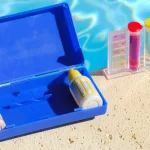
Testing your water for bacteria is a critical safety measure. It ensures your home’s water system remains free from harmful contaminants.
Routine testing can identify bacteria before they pose severe health risks. This proactive approach is vital for maintaining water safety.
Considering a test is wise if you notice unusual changes in water quality. Contacting a professional water analysis company provides access to advanced testing services.
Here’s how routine water testing helps:
- Detects harmful bacteria early
- Ensures adherence to water quality standards
- Provides peace of mind for homeowners
Regular testing schedules depend on water source and previous contamination incidents. Annual tests are generally recommended for well water systems. City water systems might require less frequent monitoring.
When and How to Test Your Water
Deciding when to test your water involves assessing risk factors. Changes in taste, odor, or clarity are prompts for immediate testing.
Homeowners should consider professional testing services for comprehensive results. Experts use sophisticated tools to analyze water for bacterial presence.
Collecting a water sample correctly is vital. Follow guidelines to ensure that samples reflect actual water conditions. Proper collection avoids false-positive results, giving accurate insights into water quality.
Interpreting Test Results
Receiving your water test results can initially feel overwhelming. However, understanding the basics is crucial.
A presence of bacteria means further action is necessary. Results usually specify which types of bacteria were detected. Consulting a professional to interpret these results can help choose the right corrective measures.
Solutions for Bacterial Contamination
Addressing bacterial contamination in your home’s water system requires immediate and effective solutions. Implementing the right strategies can restore the safety of your water supply.
Water filtration and disinfection are the primary approaches to eliminate bacteria. Each method offers unique advantages and can be used together for comprehensive protection.
Consult with a professional to choose the best solution tailored to your specific needs. This ensures long-term effectiveness and reduces the risk of future contamination.
Water Filtration Systems
Water filtration systems are essential in removing bacteria from your water. They improve water quality and provide peace of mind.
Investing in a reliable filtration system is a proactive step towards safer water. These systems are designed to tackle various contaminants that might pollute your water supply.
Consider these filtration system benefits:
- Effectively removes bacteria and impurities
- Enhances taste and odor of water
- Reduces potential health risks associated with contaminated water
Types of Filtration Systems
Different types of water filtration systems are available to suit various needs. Point-of-entry systems treat all water as it enters your home, offering wide-scale protection.
Point-of-use systems, such as under-sink filters, target specific areas. They provide focused treatment for drinking and cooking water.
Ultraviolet (UV) filters are also popular. They kill bacteria without using chemicals, maintaining the water’s purity.
Disinfection Methods
Disinfection is crucial for eliminating bacteria in water. It complements filtration by ensuring that any remaining bacteria are inactive.
Various disinfection methods are available, each suited to different situations and preferences. Choosing the right method depends on your specific water quality needs.
Regular monitoring and maintenance are vital. This ensures that your chosen disinfection method remains effective over time.
Boiling, Chlorination, and UV Purification
Boiling water is the simplest method. It effectively kills most bacteria, but it’s only a temporary solution for emergencies.
Chlorination is widely used for disinfecting larger water supplies. It is effective but requires careful management to avoid excess chemical residue.
Ultraviolet (UV) purification offers a chemical-free approach. It uses light to destroy bacteria, preserving the natural state of your water.
Preventive Measures and Maintenance
Regular maintenance of your home water system is vital for preventing bacterial contamination. Consistent oversight ensures the system functions efficiently.
Neglecting maintenance can lead to problems, allowing bacteria to proliferate. Proactive measures help avoid costly repairs or health risks.
Consider these preventive steps:
- Schedule regular inspections of your water system.
- Replace filters according to manufacturer guidelines.
- Monitor water quality frequently for any signs of contamination.
Regular System Maintenance and Filter Replacement
Routine maintenance extends the lifespan of water systems and filtration units. It prevents bacterial buildup and ensures consistent water quality.
Regularly replace filters to maintain filtration effectiveness. Used filters can harbor bacteria, reducing system efficiency and water quality.
Consult the manufacturer’s recommendations. Each system has specific maintenance schedules to keep it running optimally.
Safe Water Practices and Emergency Preparedness
Adopting safe water practices reduces contamination risks. Educate household members on proper water use and handling techniques.
Keep emergency supplies, like bottled water, ready. This ensures access to safe water during contamination events.
Develop a response plan. Know who to contact and the steps to take if water contamination is suspected.
Conclusion
Maintaining a bacteria-free home water system is crucial for health. Don’t overlook water quality concerns.
Reach out to a water analysis company if you’re in doubt. Proactive actions ensure safety and peace of mind.
Share this on social media:
Facebook
Twitter
LinkedIn

Related Posts