Decoding Yellow, Green, and Blue Water: A Guide for New Yorkers
- Published:
- Updated: January 26, 2025
Listen to this article
Summary
New Yorkers facing colorful tap water should decipher the hues for potential water quality issues, necessitating proactive measures.
- Yellow Water: Often caused by rust or sediment, indicating potential mineral contamination, though typically considered safe.
- Green Water: May stem from algae blooms or copper corrosion, posing health risks like toxic metal exposure.
- Blue Water: Indicates copper or silver leaching, necessitating caution due to potential health hazards.

If you’ve ever opened your faucet to see water that is like something you’d pick out in a painter’s studio, it’s terrifying. The hue of your water isn’t just a cosmetic matter, it’s also a good indicator of your water quality. New Yorkers navigating a complex, ageing infrastructure needs to know about the various water colours.
The Basics of Water Quality Assessment
Water quality is usually based on a few factors like pH, turbidity and mineral content. In some cases, you’ll even know what your water is like by conducting a simple sense test — look, smell, taste.
But even such rudimentary measures are deceptive. Water that’s clear and smells no, for instance, might still have contaminants such as lead or bacteria. It’s advisable, therefore, to have your water tested professionally to get the true and thorough picture of your water’s safety rating.
| Water Color | Potential Causes | Associated Risks | Recommended Action |
|---|---|---|---|
| Yellow | Rust from old pipes, sediment buildup due to water pressure changes | Typically harmless, but can indicate pipe corrosion or mineral buildup | Run cold water for several minutes to flush out discoloration. If issue persists, contact water utility or test for contaminants. |
| Green | Copper corrosion from old pipes, algae growth in untreated water sources | Possible exposure to copper, which can cause nausea, vomiting, or liver damage in large amounts | Contact your water utility provider. Test for copper levels and ensure water treatment is functioning properly. |
| Blue | Copper or silver leaching from pipes, especially in slightly acidic water | Exposure to copper or silver, which may cause gastrointestinal issues and other health concerns | Flush pipes by running cold water for several minutes. If the blue color persists, consult with your water provider and test for copper or silver contamination. |
NYC Yellow Tap Water - Rust and Sediment

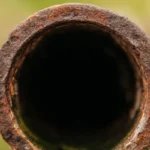
If you notice yellow water from your tap in NYC, it could be due to several factors, but it is typically related to the presence of rust or sediment in the water supply. In some cases, yellow water is caused by rust from old pipes, especially if there is a sudden change in water pressure or a disruption in the system. If the water has been sitting in the pipes for a while or if there has been recent construction in the area, sediment or mineral buildup may be disturbed, causing the yellow color.
Although yellow water is often not harmful and can be caused by harmless minerals like iron, it’s a good idea to contact your local water authority if the discoloration persists. NYC’s water is generally known for its high quality, but temporary discoloration can still occur. To resolve the issue, run cold water from the tap for several minutes to flush out the discolored water. If the issue persists, it may be necessary to get your water tested for contaminants or consult with a plumber to inspect the pipes.
The Science Behind Yellow Water
Water is usually yellow thanks to minerals such as iron and manganese. From rock and steel infrastructure, iron can get into waterways. Either way, if these things are present, they almost always need doing.
A broken pipe, for example, can be repaired or replaced. Corroded pipes not only cause the water to change color but it can also cause it to smell and taste bad which is more of a concern. Natural conditions for water colour – algae blooms, mud – generally demand local fixes.
NYC Green Tap Water - Algae Blooms and Copper Corrosion
Green tap water in NYC is an unusual occurrence and can be caused by several factors, though it is rarely harmful. One possible cause of green water from the tap is the presence of copper in the water supply, particularly if the pipes are made of copper and have corroded over time. When copper reacts with water, especially if the water is slightly acidic, it can cause the water to take on a greenish tint. This is more common in areas with older plumbing systems.
Another possible reason for NYC water turning green could be algae growth in the water supply, particularly if the water is stored in reservoirs or untreated sources. However, NYC tap water is generally treated and well-regulated to prevent such issues.
If you notice persistent green water from your tap, it’s a good idea to contact your water utility service. They can investigate the cause and ensure that your water is safe. You may also want to have your water tested for copper levels or other potential contaminants to rule out any health risks.
NYC Blue Tap Water - Copper or Silver Leaching
Blue tap water in NYC is an uncommon occurrence and is usually a result of a temporary issue, such as the presence of copper or other minerals in the water. If you notice blue water from your tap, it is often caused by high levels of copper that can leach from plumbing pipes, particularly in buildings with copper pipes. When the water is slightly acidic or has been sitting in the pipes for a while, it can react with the copper, causing the water to appear blue or blue-green.
In most cases, blue water from the tap is not harmful, but it’s a good idea to flush the pipes by running cold water for a few minutes to clear out any sediment or mineral buildup. If the blue color persists or you have concerns about the safety of the water, it’s advisable to contact your local water provider for further investigation. Having your water tested for copper or other contaminants can help ensure the water is safe to drink and use.
The Impact of Seasonal Changes
The seasons can be impactful to water quality in New York. In winter, for example, water becomes more acidic and pipe corrosion is more likely. On the other hand, if the temperatures rise, there will be algal blooms in reservoirs.
There are even some things, such as "spring turnover", when different parts of a lake combine, that temporarily darken water. It can make residents more aware of these seasonal changes so they know what to expect and how to act.
Case Studies: Real-Life Incidents in New York
Coloured water isn’t an academic conjecture, in several cases New Yorkers have confronted it head-on. In 2017, for example, residents of one district complained of yellow water — later determined to be caused by a change in water supply, and requiring neighbourhood solutions.
There was also a mysterious huddle of green water that was eventually traced to copper corrosion at a new housing development. These accidents should alert communities to stay on top of water quality and be active in this regard.
New York City is renowned for its high-quality tap water, serving over 8 million residents daily. In 2019, the city’s drinking water met or surpassed all national and state standards, with over 51,000 samples analyzed and 719,000 tests conducted by DEP scientists.
However, certain areas face challenges:
Stormwater Flooding: Southeast and Central Queens, North Staten Island, and Southeast Bronx are most impacted. Black residents are overrepresented among census tracts with above-average sewer backup complaints.
Combined Sewer Overflows (CSOs): NYC has 460 CSOs, discharging over 27 billion gallons of raw sewage annually into the Hudson River and New York Harbor.
Polluted Waterways: The Gowanus Canal, a Superfund site, has high levels of pathogens, including typhoid, cholera, and dysentery.
While NYC’s tap water is generally safe, localized issues can occur. Residents experiencing discolored water should contact the Department of Environmental Protection (DEP) for assistance.
Practical Steps for Monitoring and Rectifying Colored Water
While the initial reaction to colored water might be panic, there are several straightforward steps to identify the issue and potentially resolve it.
- Visual Inspection: Examine the color closely. Is it yellow, green, or blue? Each color can point towards a specific problem.
- Smell Test: Does the water have an odd odor? This can help identify the presence of certain minerals or contaminants.
- Taste Test: Although this should be the last resort, tasting can also offer clues to the water’s condition.
- Professional Assessment: For comprehensive analysis, consider hiring a professional to test the water.
The idea is to start simple and escalate as needed to ensure you’re not overlooking any potential risks or problems.
Understanding the Role of Local Water Authorities
Municipal water bodies are the water quality watchdogs. They routinely sanitize the water supply for safety. If you see discolored water, contact your local water provider to help pinpoint broader problems in your neighborhood and prompt response. They will also tell you about any maintenance or issues that are still ongoing which might be the reason behind the discoloration.
Conclusion: Decoding Yellow, Green, and Blue Water
For New Yorkers, there is no need to get too lost on the meaning of yellow, green, and blue water. Chlorine-treated water can show you all sorts of problems, from corrosion to noxious algae. With these signs alerted and taken care of, you can stay protected with healthy water. Take professional water testing as soon as possible and report problems to your municipal water authority so your water is hygienic and safe.
Think Your Tap Water is Unsafe? Test It Today!
If you’re experiencing discolored tap water in your home, it’s crucial to ensure your water is safe. Contaminants like rust, copper, and algae can pose health risks, and only a professional water test can give you peace of mind.
Shedule Your Test Now!
Share this on social media:
Facebook
Twitter
LinkedIn

Related Posts