
Reasons why your water tastes sweet
- Published:
- Updated: April 14, 2025
Summary
A sweet taste in water can result from various natural minerals, contaminants, and environmental factors. Understanding these causes and taking proper actions, like testing and treatment, can help ensure safe, good-tasting water.
- Natural minerals like calcium, magnesium, and bicarbonates can impart a sweet taste.
- Contaminants like organic compounds and algae can also cause a sweet taste.
- Environmental factors, such as seasonal changes and water source conditions, can influence taste.
A sweet taste in water can be perplexing, but it’s essential to understand its causes. Various factors, such as natural minerals, contaminants, and environmental influences, can make water taste sweet. This article explains these causes and offers solutions to maintain safe, great-tasting water.
The Chemistry Behind Water's Sweet Taste
Water’s taste is influenced by its chemical composition. As a universal solvent, water dissolves a variety of substances, which can affect its taste. Sweet water usually indicates the presence of minerals, contaminants, or compounds that alter its flavor profile.
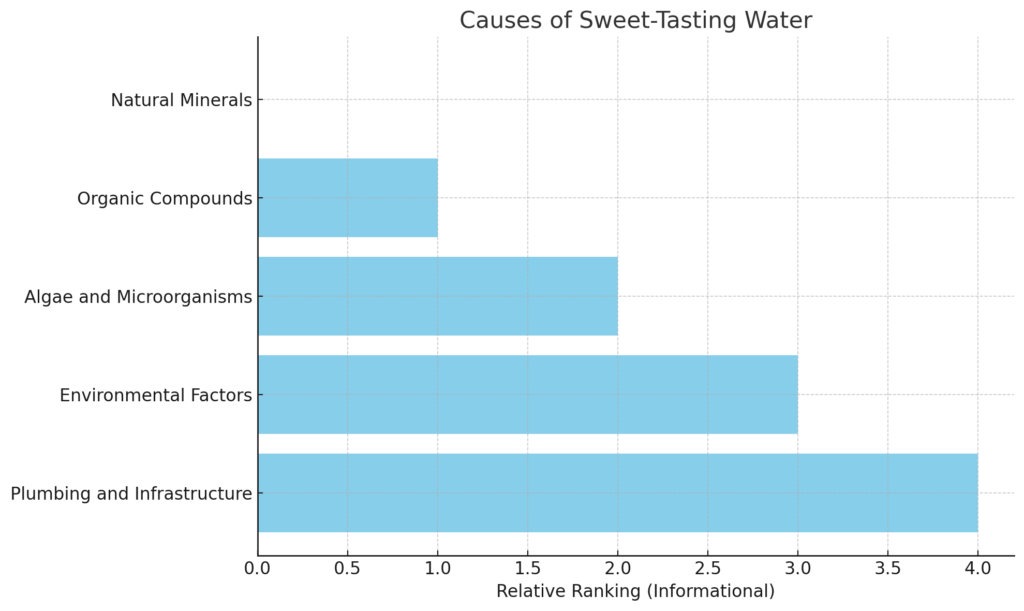
| Cause | Description | Potential Impact |
|---|---|---|
| Natural Minerals | Minerals such as calcium, magnesium, and bicarbonates dissolved in water contribute to a slightly sweet taste. | Hard water may cause scale buildup in appliances and plumbing, requiring maintenance. Generally safe but affects taste. |
| Organic Compounds | Chemicals from pesticides, industrial discharge, or agricultural runoff can sometimes give water a sweet taste. | May indicate contamination and require action to ensure water safety. Potential health risks if not addressed. |
| Algae and Microorganisms | Certain algae produce metabolites that can alter water’s taste. This is especially common during algal blooms. | Increased algae presence can lead to health hazards, including toxins that affect water quality. |
| Environmental Factors | Seasonal changes and runoff can introduce more organic material into water sources, affecting its taste. | Seasonal variations might cause temporary taste changes. Regular testing can help monitor these fluctuations. |
| Plumbing and Infrastructure | Aging pipes or poor-quality plumbing materials can leach metals or chemicals into water, affecting its taste. | Potential health risks due to contamination. Plumbing upgrades and regular maintenance are recommended to improve water quality. |
Natural Minerals and Compounds
Certain naturally occurring minerals can contribute to a sweet taste. These include:
Calcium and Magnesium: Water with higher levels of calcium and magnesium, commonly known as hard water, often tastes slightly sweet. For instance, "Water with a hardness level over 180 mg/L (milligrams per liter) can contribute to a sweet taste due to the dissolved minerals."
Bicarbonates: Bicarbonates, often found in groundwater, can also create a sweet taste. They help stabilize pH levels and act as a buffer, preventing drastic changes in acidity. This balance can make water taste more pleasant, especially if combined with other minerals.
Chlorides and Sulfates: Chlorides and sulfates from local geological formations might dissolve into the water, imparting a sweet or salty-sweet taste. These compounds are more likely to appear in regions with high salt content or near coastal areas.
Studies show that water with a high bicarbonate concentration (above 200 mg/L) can significantly alter the taste, giving it a sweet and smooth flavor.
Potential Contaminants in Sweet-Tasting Water
While some minerals impart a sweet taste, certain contaminants can also cause a similar effect, sometimes even masking underlying health risks.
Organic Compounds
Chemicals like pesticides or industrial waste, often present in agricultural runoff, can make water taste sweet. "Reports from the EPA estimate that about 30% of rural groundwater sources have detectable levels of organic chemicals that can alter water taste."
Algae and Microorganisms
Certain algae strains, such as those in freshwater lakes, can release metabolites that cause a sweet flavor in the water. "Harmful algal blooms have increased by 40% in the last two decades, directly impacting the taste and safety of water sources."
Algal toxins like microcystins can give water a sweet taste while also posing serious health risks. A study found that 25% of municipal water supplies in affected regions experienced taste alterations due to algae blooms.

Environmental Factors Influencing Water Taste
Environmental factors can also play a role in altering the taste of water. These factors may vary depending on geographic location, climate, and human activities. Recognizing the impact of these elements can help in anticipating changes in water taste and implementing appropriate management strategies.
Seasonal Changes
Seasonal variations can influence the taste of water. For instance, during spring and summer, increased temperatures can promote algal growth, potentially affecting water taste. Additionally, heavy rains in certain seasons can lead to increased runoff, bringing more organic material into water supplies that can alter taste and clarity.
Water Source and Location
The source of your water can significantly impact its taste. Surface water, such as lakes and rivers, is more susceptible to contamination from agricultural runoff and industrial activities compared to groundwater. Consequently, surface water may exhibit more pronounced taste variations. Groundwater sources, while generally more stable in composition, can also be affected by local geological conditions and human activities, requiring regular monitoring to ensure quality.
Plumbing and Infrastructure
The condition of your plumbing system and the materials used can influence water taste. Aging pipes may leach metals or other substances into the water, altering its taste profile. Regular maintenance and upgrades to plumbing infrastructure can prevent these issues, ensuring that water quality is maintained from the source to the tap.
Addressing Sweet Water Taste
If you notice a persistent sweet taste in your water, it is essential to investigate and address the underlying causes. Here are some steps you can take to ensure water quality:
Conduct Water Testing
Testing your water is the first step in identifying potential issues. Comprehensive water analysis can determine the presence of minerals, contaminants, and organic compounds that may be affecting taste. Engaging with a certified laboratory for water testing is recommended for accurate results. Regular testing can also help track changes over time, providing valuable data to inform any necessary interventions or adjustments to water treatment processes.
Evaluate Water Sources
Consider evaluating your water source to identify any factors contributing to the sweet taste. If you rely on a private well, ensure it is properly maintained and protected from surface runoff and contamination. Understanding the characteristics of your water source can guide decisions on the most appropriate treatment methods and help prioritize protective measures.
Inspect Plumbing Systems
Examine your plumbing system for any signs of deterioration or contamination. Replacing old pipes or installing water filtration systems can help improve water quality and taste. Regular inspections and maintenance can prevent small issues from becoming major problems, ensuring a reliable and safe water supply.
Implement Treatment Solutions
Depending on the results of your water testing, various treatment options may be available to address the sweet taste:
- Water Softeners: These can remove excess calcium and magnesium, reducing water hardness and its associated sweet taste. Water softeners can also extend the lifespan of appliances and improve soap efficacy, providing both taste and practical benefits.
- Activated Carbon Filters: These filters can effectively remove organic compounds and chlorine, enhancing water taste. They are particularly useful in urban areas where municipal water supplies may contain traces of chlorine or other treatment chemicals.
- Reverse Osmosis Systems: This advanced filtration technology removes a wide range of impurities, providing high-quality, great-tasting water. Reverse osmosis systems are highly effective but require regular maintenance to ensure optimal performance and longevity.
Conclusion
Understanding the reasons behind a sweet taste in your water is essential for ensuring its safety and quality. By exploring the chemical composition, potential contaminants, and environmental factors affecting water taste, you can take informed steps to address any issues. Regular water testing, source evaluation, and appropriate treatment solutions can help maintain safe and pleasant-tasting water for you and your family. Being proactive about water quality can prevent health issues and improve the overall experience of using water in your home.
Water quality is a critical aspect of public health and environmental sustainability. As a seasoned professional in water quality analysis, I am committed to providing reliable and accurate information to help you navigate any water-related challenges you may face. Should you have any concerns or questions about your water quality, do not hesitate to seek expert advice and guidance. With the right resources and knowledge, you can ensure that your water supply remains a dependable and safe asset.
By staying informed and proactive, you can ensure that your water remains a source of health and vitality, free from any unwanted tastes or contaminants. This vigilance not only protects your family but also contributes to broader efforts to safeguard our planet’s vital water resources for future generations.
Concerned About Your Water's Sweet Taste? Test It Today!
If you’ve noticed a sweet taste in your water, it could be due to minerals or contaminants that affect both taste and quality. Don’t wait for potential health risks—take control of your water’s safety.
Get your water tested today! Our professional water testing services can pinpoint the cause of unusual tastes and help you ensure your water is clean, safe, and delicious to drink.
Shedule Your Test Now!
Share this on social media: