Importance of Water Conservation and Awareness
- Published:
- Updated: May 28, 2025
Listen to this article
Summary
Water conservation and awareness are vital due to the increasing scarcity of water resources globally. Adopting water-saving habits, fixing leaks, and using efficient appliances are ways to reduce water waste at home. In agriculture and industry, implementing water-saving practices and investing in technology can also help conserve water.
Water scarcity can lead to health problems, economic hardships, and environmental degradation. Investing in water-saving technologies and practices can have financial benefits, create jobs, and stimulate economic growth.

Water is an essential and finite resource that is quickly running out everywhere. In an era where world’s population is increasing, and demand for water increases, the necessity of water protection and knowledge has never been more pressing.
Water is life-giving, and its preservation and protection are vital to our planet and all living beings. The less and more we can get water, the more it’s going to be crucial to preserve and protect it.
The Sources of Water Waste and Ways to Reduce Them

Water loss can be from the home, the farm, the factory. In households, water hogging can happen because of leaks, broken appliances and so on. There are some easy practices to minimize the usage of water in the home like addressing leaks, showerheads and faucets with low-flow, reducing the use of water in the bathroom and kitchen.
Water loss in agriculture can be the result of bad irrigation and water-demanding crops. Water conservation: Farmers can use water-efficient crops and irrigation systems to avoid the exploitation of water for their crops.
In industries, water loss can be due to inefficiency and large consumption of water in manufacturing and more. If you want to avoid waste of water, in industry, you can save water by investing in water-efficient technologies and managing water efficiently.
The Impacts of Water Scarcity on Communities and the Environment

Lack of water is bad for the population and environment, causing health issues, economic loss and pollution. Water is hard to come by and if there is not access to pure water, one might not be able to drink, cook or otherwise do anything. This results in diseases such as waterborne illness and also economic hardship as people often have to travel a distance to access water or pay for it.
The environmental effects of water shortages are also catastrophic – with ecosystems and wildlife habitats destroyed. This can have long-term effects on the health of the Earth and the health of people.
The Role of Technology in Water Conservation and Management
There are many technological solutions for saving and managing water that will help to minimize the use of water and eliminate waste. Smart irrigation, for instance, can be set to water plants only when necessary, so that less water is wasted. Low-flow showerheads and faucets are also good water savers that can help to save you money at home.

Water treatment technologies like reverse osmosis and nanofiltration are also being developed to treat and reuse waste water to avoid new water sources and save the planet’s precious water.
Water is also being monitored and managed using technology, which will give useful data and information that can help to make better decisions about water use. By applying technology, water managers and decision-makers can now have a better grasp on how water is distributed and what is available, track the quality and quantity of water and make good decisions about how to manage it.
Simple Habits for Daily Water Conservation
And there are also little practices that we all could practice to save water every day. Take shorter showers, for instance, turn off the water when brushing your teeth, and patch leaks are easy ways to save water.
Use drought-tolerant landscaping plants, harvest rainwater to water gardens, and buy low-flow appliances to save water in the house. Whether you’re avoiding meat or consuming less food waste can also be extremely effective on water consumption, as meat and other foods demand a lot of water to produce.
The Economic and Financial Benefits of Water Conservation

The environment isn’t the only reason water conservation is beneficial to individuals and communities. The less water used, for instance, the lower the bill for water and the more energy we save – thus the lower the energy bill. The economy can also profit from water conservation by avoiding new water treatment plants and infrastructure, and by conserving water supplies important to agriculture and industry.
Water efficiency investments and practices also provide employment and economic growth potential – especially in engineering, construction and technology. Water conservation can also ease pressure on water treatment and distribution systems by decreasing maintenance and repair costs, as well as increasing the overall effectiveness and dependability of these systems.
The Long-Term Effects of Water Scarcity and Prevention

The long-term consequences of water shortage can be extortionate: ecosystems are deteriorated, wildlife habitats are destroyed, and communities are expelled. Even water scarcity leads to war when communities and states battle over access to the liquid resource.
These are long-term impacts we must avoid with proper water management, saving water and education about water. This can be done through water-saving technologies, effective water management, water conservation awareness and education.
Raising Awareness and Inspiring Action

Ensuring that people understand water conservation, and influencing others to do the same, is an important way to help preserve it for the future. This can be done through education and awareness campaigns, neighbourhood gatherings and campaigns, and the diffusion of water-efficient technologies and practices.
The conservation and education of water is a must to preserve this precious resource for future generations. If we reduce water waste, water-resources consumption, water-saving technologies, and water-conservation education and promotion, then we will secure a future for Earth and its inhabitants.
The Importance of Water Conservation and Management
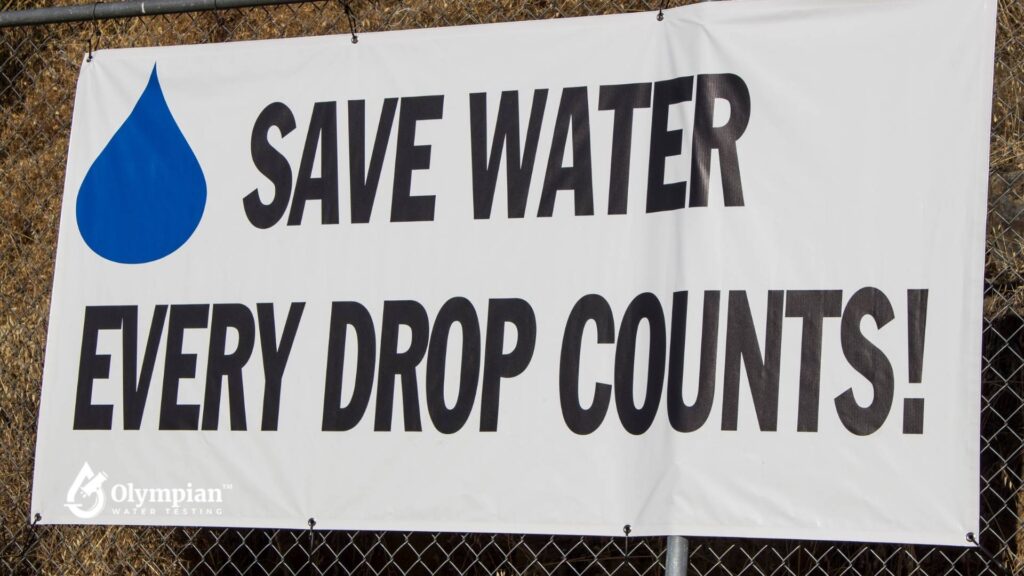
Water management is the most important thing for ensuring that this precious resource is not lost. With the world population and needs of water growing, water conservation and preservation is more critical than ever. If we all conserve water, invest in water-efficient technologies, and promote water conservation and education, then we can help create a sustainable world for our planet and the humans living on it.
We need good water management, too, to combat the effects of climate change and provide all citizens with safe and clean water. The changes in rainfall and availability are due to climate change, and water management must be better used to respond to these changes and build a sustainable water future.
The Benefits of Water Conservation for the Environment

We cannot save our environment without water conservation. Reduce water waste, live water-saving lifestyles, invest in water-saving technologies, we can save water and save our planet for future generations.
Conservation can even mitigate the effects of climate change and save ecosystems and wildlands. Conservation, for instance, might help tame large dams and other water-controlling structures that have irreversible effects on ecosystems and wildlife.
Water conservation can enhance water quality by decreasing the pollution and waste that exists in our water bodies. It can also be for the sake of human health, animals and the landscape.
The Importance of Education and Outreach
Training and education is essential for educating about water conservation and generating action. We can make water-saving behaviors and technologies accessible to people, communities and businesses and empower them to start doing the same.
Events and campaigns in the community can also create awareness and a movement. These ceremonies can bring people, groups and corporations together to understand how water is sacrosanct and how to act to save it.
The Future of Water Conservation

The future of water preservation is rosy and many new tools and technologies are out there to save the resource. Smart irrigation to water saving systems, the tools and technologies to save water and waste water are all around.
Modern technologies for water treatment and management are also enabling wastewater to be treated and recycled, saving the resource and minimising the need for new supply.
We can ensure a water future for the planet and its people if we keep investing in water conservation and management and education and outreach.
We need water conservation and management if we want to safeguard and maintain this resource. If we do things like conserve water, buy water-efficient equipment, encourage water conservation, educate ourselves and make the general public aware of the need for water conservation, then we can work toward a sustainable future for Earth and its people.
Integrating Water-Saving Practices in Urban Planning

Cities use a lot of water and water efficiency needs to be a big part of the planning. These might be creating green spaces with drought-tolerant plants, installing rainwater harvesting and promoting greywater for non-potable uses. Urban planners and policymakers have to work together to design water-wise cities.
Conclusion: The Critical Role of Water Conservation
Water management and education are crucial in dealing with the increasingly limited resources of the world’s water supplies. Water-saving behaviour, the adoption of effective technologies, the practice of sustainable agriculture, industry and urban design can all be used to mitigate the water crisis. It’s through education and outreach that we can mobilize people for a more sustainable water future for all.
Share this on social media:
Facebook
Twitter
LinkedIn