Colorful Concerns: Discolored Water in NYC's Schools
- Published:
- Updated: December 14, 2024
Listen to this article
Summary
Discolored water in NYC schools raises concerns about water quality:
- Causes and Consequences: Discoloration can stem from aging infrastructure, minerals, or organic matter, potentially indicating health risks.
- Drinking Water Standards: While not directly regulated, factors causing discoloration, like iron or copper levels, are monitored under EPA standards.
- Testing and Mitigation: Regular testing, infrastructure upgrades, and community involvement are essential for ensuring safe and clear water for students.

New York City’s schools are a miniature portrait of diversity, with millions of children who are the Big Apple’s future. In the midst of all the bustle of school, one of the problems left on the backburner is the water that is being served at the schools. Particularly reports of coloured water are evidence of a health hazard and point to the need for tighter water quality standards.
Understanding Discolored Water: Causes and Consequences
Water color may be a little cloudy to much more noticeable yellow, brown or green and blue. These shifts can be because of mineral, rust, organic or even microorganism changes.
Even minor discoloration does not necessarily signal an infection but it is often enough to be concerning. In addition to looks, it may indicate water supply system issues like corrosion or even potentially dangerous contaminants.
Drinking Water Standards and School Requirements

The US Environmental Protection Agency (EPA) manages drinking water quality under the Safe Drinking Water Act. EPA requirements include physical, chemical and microbiological factors such as color. For NYC schools, these are the minimums for water quality standards.
But remember, while discoloration may signal a quality problem, colour is not itself controlled. Rather, the culprits that tend to be dye-prone, iron or copper, are what’s managed. Keeping school water clear and colourless, therefore, involves controlling many different water quality metrics.
What are the causes of water discoloration in NYC's schools?
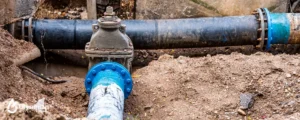
Water discoloration in NYC schools is caused by many different things. The usual culprit is ageing infrastructure. A lot of the city’s schools are old and have same old plumbing. Rust from these pipes can leach into the water and turn it brown or reddish.
But it might also be the water source. In the case of source water that is contaminated with minerals or organic material, it will turn yellow. These chemicals are usually removed by water treatment systems, but they can become a problem in case the source of the water changes or the effectiveness of the treatment changes.
Health Risks Associated with Discolored Water
Not all colored water is harmful, but some discolouration could point to toxicants. For instance, green or blue water may indicate copper overgrowth that will lead to stomach cramps, vomiting and kidney or liver damage in the long term.
Then there’s the risk of harmful bacteria or algae. Some forms of algae turn the water green and leave toxins that can be toxic to your health. So can bacteria that cloud it and cause disease if inhaled.
Case Studies: Instances of Discolored Water in NYC Schools
There have been several episodes of murky water in NYC schools in the past. Each is a different scenario with different difficulties and solutions to consider, which shows just how difficult it is to have water quality in a city.
A school, for example, got brown water from their taps, the result of old iron pipes. A school had green water in it the other day due to too much copper in rusted pipes. In both instances, the answer consisted of pipe replacement, water treatment upgrades and monitoring to make sure that it didn’t happen again.
Testing and Monitoring of School Water Supplies
To make sure that the water is safe and clean there is water testing at schools and monitoring. In NYC, that is looking for various contaminants like ones that stain. Depending on the risk factors of the particular school (eg, building age, water source, history of poor water quality), the frequency and type of testing may vary.
So if a school, for example, has been seeing problems with copper in their water, maybe they will have them check it frequently. And if there’s a discolouration, then we’d get a more comprehensive analysis of the issue and possible cures.
Solutions and Mitigation Strategies: Clearing the Water
The solution to the problem of stained water is multifaceted:
Replacement of old infrastructure: Old pipes are a common cause of discolored water, and they can usually be replaced.
Daily school water testing and monitoring: Daily water quality checks can catch problems before they become an issue.
Improvement in treatment procedures: If source water is the problem causing the discoloration, then modification in treatment procedures will work.
Each of these tactics can help keep the water in NYC’s schools pure, clear, and safe to drink.
The Role of Parents, Teachers, and Students: Advocacy and Action
It’s also up to the school community to manage the water. Parents, teachers, and students can do their part to keep an eye on water quality and report stains, odd tastes or odours.
They can also make representations for proper funding and care for water quality in their schools and on a district or city level. This is where public awareness and voice can help motivate action on fixing issues and having clean, good water in our schools.
Share this on social media:
Facebook
Twitter
LinkedIn
Next Article:

Related Posts