Protecting Your Family from E. coli in Drinking Water: Tips and Tricks
- Published:
- Updated: December 31, 2024
Listen to this article
Summary
- E. coli contamination in water can cause serious illness, especially for young children and the elderly.
- Testing your water, maintaining your well, and safe waste disposal are crucial prevention measures.
- Boiling, UV treatment, chlorination, and filtration are effective treatment options if E. coli is present.

E. coli or Escherichia coli is bacteria that typically inhabits human and animal intestines. The majority are not pathogenic, but some can make people sick. When these strains get into our water, usually from waste infected with it, they are a threat to health.
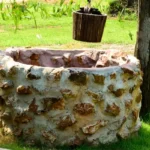
Water may become infected with E.coli from many places. These could be sewer overflows, polluted stormwater discharges, and farm effluent. Even well water can be E. coli infected by bad well construction or inadequate maintenance.
Symptoms and Health Risks of E. coli Contamination
You can suffer from a number of ailments by drinking water that has E coli. The earliest signs are severe abdominal cramps, diarrhoea (bloody) and vomiting. Other people might have a small fever. Most of us recover within a week, but young children, the elderly, and people with compromised immune systems can get worse.
For example, there is Hemolytic Uremic Syndrome (HUS), which is a kind of kidney failure. Rare but a very serious disease to be treated immediately. That’s why making sure your family’s drinking water doesn’t contain corrosive bacteria such as E. coli is so important.
Identifying E. coli Contamination in Your Water Supply

If you suspect your water has E.coli, you won’t know, because the bacteria will not change the taste, odour, or appearance of the water. And the only way to be certain if your water supply is high in E coli is to test it. This is especially true if you get your water from a private well that’s not regulated and tested as public water.
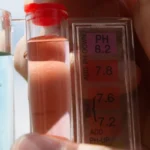
You can buy many types of water test kits to test water for E. coli at home. Or, you can also contact a water testing laboratory of experts. – Repeat tests are recommended frequently when after circumstances that could contribute to contamination, such as heavy rainfall or flooding.
Preventing E. coli Contamination at the Source
This is important because E.coli doesn’t need to get into your water supply in the first place. Here are a few of the things you can do to save your water:
Keep Septic Systems Clean: Keep septic tanks clean and regularly pumped. Leaky septic tank will infect the ground and possibly the groundwater with E.coli.
Avoid Stormwater Runoff: Reduce stormwater runoff to your well or water source. Perhaps this means landscaping to direct water away from your well, or properly disposing of livestock manure if you live on a farm.
Properly Remove Pet Waste: Remove pet waste safely, so it does not get mixed into storm water.
Water Treatment Options for E. coli
If you do have E. coli bacteria in your water, there are some efficient water treatment methods to remove or kill the bacteria:
Boiling: Boil water for 1 minute at least and the bacteria will be eliminated so the water can be brewed.
-UV Cleaner: Kills E.coli bacteria using UV light without chemicals in your water.
Chlorination: Chlorine is a strong disinfectant that kills E. coli but it can be harmful to health.
Water Filtration: Filtering devices, such as ‘Absolute less than or equal to 1 micron’ rating filters can actually filter E.coli from water.
Safe Water Storage Practices
Once you’ve got your water tested for E.coli, make sure you don’t store it in the trash:
Fresh Objects: Store water only in clean, food-safe vases. Keep your containers clean and sterilized regularly, as bacterial growth should be avoided.
Store In A Cool Dark Environment: If you can keep your water in a cool, dark environment, do so. There can be bacterial growth at higher temperatures and exposure to light.
Water Recapture: Make sure that your water bottles are capped to avoid any foreign body sands.
Community and Government Measures for E. coli Prevention
Efforts at community level, and government rules also help ensure the absence of E coli in public water. These measures include:
Standards for Water: The government institutes regulated water quality standards and insists that you are regularly tested for pathogenic bacteria such as E.coli.
Infrastructure Upgrades: Cities can invest in infrastructure upgrades to avoid sewage spills and stormwater overflows, two common sources of E.coli contamination.
Education of the Public: Communities can also conduct public education campaigns informing residents about the dangers of E. coli and other waterborne diseases.
Educating Your Family About Safe Water Habits
Last but not least, teach your family good water habits. This can be teaching kids not to swallow water when swimming in ponds, lakes or pools, and to wash their hands often to prevent bacteria spreading. There’s also talking about how to drink clean water to stay hydrated, and how to notice and notify if their water tastes, smells, or turns brown.
E. coli in your water is very bad for you but you can do a lot to protect your family. Deficiency of E.coli in drinking water testing, water treatment and water storage all can make your water drinkable. Educating your family and getting involved in community work is just one way you can help keep our water clean of germs.
Share this on social media:
Facebook
Twitter
LinkedIn

Related Posts