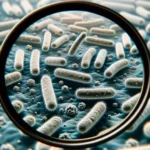
Addressing the Challenges and Embracing Solutions for E. coli in Drinking Water
- Published:
- Updated: December 14, 2024
Listen to this article
Summary
E. coli contamination in drinking water poses significant health risks, necessitating prompt detection and effective solutions.
- Detection Methods: Traditional microbial testing and modern rapid techniques like PCR aid in identifying E. coli presence swiftly.
- Contamination Factors: Inadequate sanitation, improper waste disposal, and natural disasters contribute to water contamination.
- Global Impact: Case studies like the Walkerton outbreak underscore the global urgency in addressing E. coli contamination.

The bacteria Escherichia coli, or E coli, exists naturally in the environment, food and intestines of humans and animals. Most strains are asymptomatic, but some have been known to be problematic – diarrhoea, urinary tract infection, respiratory illness and other conditions. Once in the water, often from faecal contamination by humans or animals, E coli is dangerous for health.
E coli-contaminated water is particularly risky, with gastroenteritis, bladder infection, and kidney failure to date the worst. The elderly, children and those with weak immune systems are especially vulnerable. Then this is a point to remember: drinking water must be fresh and safe.
Detecting E. coli in Water: Methods and Techniques
E. coli contamination in water is a primary issue to be monitored for water safety. Current tests include microbial testing — growing samples on culture media. This approach is proven but takes up to 24 hours to result.
The more recent ones use rapid testing. Such tests are enzyme tests and molecular tests like PCR (polymerase chain reaction), which deliver the data in a few hours. These technologies have a number of exciting possibilities for more rapid and effective E.coli detection and thereby a more efficient reaction time when it comes to contamination.
What are the factors affecting the contamination of drinking water with E. coli?

There are a few causes of E. coli contamination of water. The first two are poor sanitation and unclean disposal. Sewage overflow or septic system leaks, for example, direct E.coli into water sources.
E coli could enter water supplies in agriculture by way of runoff from animal operations. Nor do natural events, like flooding, which can spread E coli from contaminated sites to water supplies. Knowing these is the only way to think of prevention strategies.
The Global Impact and Case Studies of E. coli Contamination
The contamination issue of E. coli isn’t local to any geographic location; it’s global. There is the Walkerton outbreak in Canada in 2000. This was caused by E.coli contamination of the town’s drinking water, which resulted in seven people dying and thousands getting sick.
In third-world countries, the matter can be worse. Sludge-rich conditions and scarcity of access to sanitised water render these areas especially vulnerable to E.coli. These are just some examples of how water safety must be taken seriously across the globe.
The Current Challenges in Addressing E. coli in Drinking Water
Keeping E.coli from being contamination comes with challenges. Water infrastructure that is older is a serious problem worldwide and it is now at risk of contamination. It’s expensive to maintain these systems, particularly in low-income countries.
It is not just about continuous water quality monitoring. Every time we test drinking water for E. coli, it’s crucial but you need the equipment, trained personnel, and remote access. All these are reasons for not achieving a standard, reproducible test process.
What is the role of legislation and policy in controlling E. coli in drinking water?
Regulations and policies control the E.coli epidemic. Standards developed by the World Health Organization and the Environmental Protection Agency define safe levels of bacteria in drinking water. Such standards are there to ensure that water treatment plants keep water safe.
But they are often hard to implement and enforce, especially in areas without the infrastructure or the resources. Policing & adhering to them is key to preventing and controlling E coli contamination.
Technological Solutions for E. coli Removal and Prevention
Several technological solutions can aid in the removal and prevention of E. coli in drinking water. These include:
- Filtration Systems: These remove impurities by forcing water through layers of material, often activated carbon or ceramic. Some advanced systems can filter out bacteria down to a microscopic level.
- UV Disinfection: This method uses ultraviolet light to kill or inactivate microorganisms, including E. coli. It is chemical-free and highly effective but requires electricity.
- Chlorine Treatment: One of the most common disinfection methods, chlorine is highly effective against many pathogens, including E. coli. However, its use needs to be carefully monitored due to potential health risks associated with excessive chlorine exposure.
Each of these technologies has its strengths and limitations, and the choice often depends on the specific circumstances and resources available.
Community Involvement and Education in Preventing E. coli Contamination
Community engagement and public education are last but not least in preventing E.coli contamination. Residents should be trained about contaminant risks and hygienic practices such as waste disposal and hand washing.
People could also actively participate in keeping tabs on the local water supplies and promoting water-safety measures. That can be by reporting possible contamination to local health departments or planning clean-ups in their region.
Preventative Measures to Safeguard Drinking Water
E coli contamination can be prevented by regular water infrastructure repairs, waste management, and good farm practices to manage livestock run-off. Sewage treatment and not irrigating with untreated wastewater are other steps to avoid contamination.
Conclusion: Embracing Solutions for E. coli Contamination in Drinking Water
Problem solving with E.coli contamination in drinking water is complex. The answer is reliable detection, technology, strong policies and citizen involvement. If we know the sources of contamination and work in a systematic way, we will be able to maintain public health and provide safe drinking water to everyone.
Share this on social media:
Facebook
Twitter
LinkedIn

Related Posts