Complete guide to well water filtration 2025
- Published:
- Updated: January 15, 2025
Listen to this article
Summary
In 2025, well water filtration technology continues to evolve, offering homeowners a variety of options to ensure clean and safe drinking water. By understanding the contaminants that commonly affect well water, homeowners can select the best filtration systems suited to their specific needs. Regular maintenance and testing are essential to ensure continued water quality, and advancements in eco-friendly technologies make water treatment more efficient and sustainable.
Key Points:
- Contaminants in Well Water: Common contaminants include bacteria, heavy metals, chemicals, and radiological substances, all of which can pose health risks.
- Filtration Systems: Options such as sediment filters, activated carbon filters, reverse osmosis, UV disinfection, and ion exchange systems offer various solutions based on the contaminants present.
- Maintenance & Testing: Regular maintenance, including filter replacements and system inspections, along with annual water testing, is vital to ensure optimal water quality and system performance.

Ensuring the purity and safety of well water is a paramount concern for many households and businesses relying on this vital resource. As we progress into 2025, advancements in water filtration technologies and an increased understanding of water quality standards have made it feasible for individuals to maintain high-quality drinking water. This guide aims to provide a comprehensive overview of well water filtration, elucidating the mechanisms behind various filtration systems and offering practical advice on maintaining optimal water quality. By understanding the developments in this field, users can make informed decisions that protect their health and enhance their quality of life.
The landscape of water filtration technology is rapidly evolving, with new innovations and materials improving the efficiency and effectiveness of systems. As awareness of environmental issues grows, there is an increased emphasis on sustainable and eco-friendly filtration solutions. This guide will not only explore traditional systems but also explore cutting-edge technologies that are setting new benchmarks in the industry. With this knowledge, individuals can take proactive steps to manage their water quality, ensuring that their well water remains a safe and reliable resource.
Understanding Well Water Quality
Before delving into the specifics of filtration systems, it is crucial to comprehend the nature of well water and the potential contaminants it may harbor. Unlike municipal water, which is treated and monitored by local authorities, well water is sourced directly from underground aquifers and is subject to contamination from various sources, including agricultural runoff, industrial waste, and natural geological formations. This unique sourcing means that well water can vary significantly in quality and composition, influenced by geographical, environmental, and human factors.
Understanding the nuances of well water involves recognizing the diverse array of contaminants that can be present. Each well is unique, and its water quality can change over time due to environmental shifts or human activities in the vicinity. Regular monitoring and testing are vital to detect any changes in water quality promptly. By maintaining a vigilant approach, individuals can ensure that their water remains safe and free from harmful pollutants that could compromise health and wellbeing.
Common Contaminants in Well Water

- Microbiological Contaminants: Bacteria, viruses, and protozoa can infiltrate well water, posing significant health risks. Routine testing for coliform bacteria is imperative to assess microbiological safety. These microorganisms can enter water supplies through surface water intrusion, septic system leakage, or animal waste, highlighting the need for robust protection measures.
- Chemical Contaminants: Pesticides, nitrates, and heavy metals such as lead and arsenic are prevalent in certain regions. These substances can have long-term health implications if consumed. Agricultural practices and industrial activities are often the primary sources of these pollutants, necessitating targeted filtration solutions to remove them effectively.
- Physical Contaminants: Sediment and particulates can affect the clarity and taste of water, potentially damaging plumbing and appliances. These particles, often originating from soil erosion or construction activities, can clog filtration systems and reduce their efficacy if not adequately addressed.
- Radiological Contaminants: Naturally occurring radioactive materials, such as radon and uranium, may be present in well water, necessitating specialized filtration solutions. The presence of these materials is often linked to the geological characteristics of the region, requiring residents to be aware of local geological surveys and guidance.
Importance of Drinking Water Testing
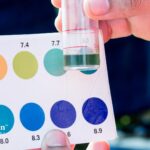
Regular testing of well water is indispensable for identifying contaminants and ensuring compliance with health standards. Comprehensive water testing should be conducted at least annually, with additional testing following events such as flooding or changes in taste, odor, or appearance. Testing provides a clear picture of the water’s current state, enabling timely interventions and adjustments to filtration systems.
Beyond the annual check, it is prudent to consider testing after any environmental disturbances, such as heavy rainfall or nearby construction, which could introduce new contaminants into the water supply. Homeowners should familiarize themselves with testing kits and local laboratories to facilitate regular assessments. By maintaining a consistent testing schedule, individuals can ensure that their water remains safe and free from emerging threats.
Types of Water Tests
- Bacteriological Testing: Detects the presence of harmful microorganisms. This type of testing is crucial for preventing waterborne illnesses and maintaining microbiological safety, particularly in households with young children or immunocompromised individuals.
- Chemical Testing: Assesses the concentration of various chemical pollutants. Understanding the chemical composition of well water helps in selecting the appropriate filtration technologies and ensures compliance with health guidelines.
- Physical Testing: Evaluates turbidity and particulate matter. Clarity and particle content can influence the aesthetic quality of water and its suitability for consumption and use in household tasks.
- Radiological Testing: Measures levels of radioactive substances. This testing is particularly important in areas with known geological deposits of radioactive materials, providing peace of mind and safety assurance for residents.
Selecting the Right Well Water Filtration System
Choosing an appropriate filtration system is contingent upon the specific contaminants identified in your well water. Below are common types of filtration systems, each designed to address particular issues. Understanding the strengths and limitations of each system is essential for making an informed decision that aligns with your water quality needs and budget.
The process of selecting a filtration system should begin with a thorough analysis of the water’s current state, followed by a consultation with water treatment professionals. These experts can provide tailored recommendations based on the test results and local environmental conditions. By taking a strategic approach, individuals can ensure that their filtration system effectively addresses their specific water quality challenges.
Sediment Filters
Sediment filters are the first line of defense in a well water filtration system, effectively removing large particles such as sand, silt, and rust. These filters are essential for protecting subsequent filtration stages and extending the life of household appliances. Their role in preventing clogs and maintaining water flow cannot be overstated, making them a crucial component of any comprehensive water treatment strategy.
In addition to their protective function, sediment filters can significantly improve water clarity, enhancing both the aesthetic and functional qualities of the water. Regular maintenance and replacement of these filters are necessary to sustain their performance and ensure that downstream systems operate efficiently. By investing in high-quality sediment filters, homeowners can safeguard their entire water filtration setup from unnecessary wear and tear.
Activated Carbon Filters
Activated carbon filters excel at removing organic compounds, chlorine, and other chemicals that affect taste and odor. They are particularly effective against volatile organic compounds (VOCs) and can reduce certain heavy metals. These filters are known for their ability to enhance the sensory qualities of water, making it more palatable and enjoyable for everyday use.
Beyond taste and odor improvements, activated carbon filters play a crucial role in eliminating harmful substances that could pose health risks. Their porous structure allows them to adsorb a wide range of contaminants, providing a broad spectrum of protection. Regular replacement of these filters is vital to maintain their adsorption capacity and ensure consistent water quality.
Reverse Osmosis Systems
Reverse osmosis (RO) systems are highly efficient in removing a wide range of contaminants, including dissolved salts, nitrates, and heavy metals. RO systems utilize a semi-permeable membrane to separate impurities from water, producing exceptionally pure water. These systems are particularly valued for their ability to deliver high-quality water that meets stringent safety standards.
While RO systems offer superior filtration capabilities, they also require careful maintenance and monitoring to function optimally. Users should ensure that pre-filters and membranes are replaced as recommended and that the system is regularly inspected for leaks or pressure issues. By adhering to these practices, RO systems can provide a reliable source of clean water for years to come.
Ultraviolet (UV) Disinfection Systems
UV disinfection systems employ ultraviolet light to inactivate harmful microorganisms. This technology is invaluable for treating microbiologically unsafe water without altering its chemical composition. UV systems are effective in neutralizing bacteria, viruses, and protozoa, ensuring that water is safe for consumption and use.
The non-chemical nature of UV disinfection makes it an attractive option for those seeking environmentally friendly water treatment solutions. However, to maintain their effectiveness, UV lamps must be replaced regularly, and the system should be checked for any fouling that could impede light transmission. With proper maintenance, UV systems offer a robust line of defense against microbiological threats.
Ion Exchange Systems
Ion exchange systems are adept at softening water by replacing calcium and magnesium ions with sodium or potassium ions. This process effectively reduces hardness, preventing scale buildup and improving the efficiency of soap and detergent use. Softened water can significantly extend the lifespan of plumbing systems and appliances, reducing maintenance costs over time.
In addition to improving water quality, ion exchange systems can be tailored to address specific contaminants, such as nitrates or heavy metals, through specialized resins. Regular regeneration and maintenance of the resin bed are crucial to ensure the system’s continued effectiveness. By integrating ion exchange into their water treatment strategy, users can enjoy enhanced water quality and reduced household maintenance burdens.
Installation and Maintenance of Filtration Systems
Proper installation and regular maintenance of filtration systems are critical for ensuring their efficacy and longevity. It is advisable to consult with a professional to assess your specific needs and to ensure that the system is installed correctly. Professional installation can prevent common pitfalls and ensure that the system is optimized for your water conditions.
Maintenance is not only about replacing filters but also involves regular inspections and adjustments to address any changes in water quality or system performance. By establishing a routine maintenance schedule, users can prevent small issues from developing into major problems, ensuring continuous access to safe and clean water. The investment in professional services and diligent upkeep pays off in the long run by maximizing the system’s lifespan and efficiency.
Maintenance Tips
- Regular Filter Replacement: Adhere to the manufacturer’s guidelines for replacing filters to maintain optimal performance. Timely replacement is essential to prevent clogging and ensure that the filtration system operates at peak efficiency.
- System Inspections: Conduct periodic inspections to detect leaks, pressure changes, or other issues that may compromise system integrity. Early detection of issues allows for swift corrective actions, minimizing downtime and repair costs.
- Water Testing: Continue regular testing post-installation to verify the effectiveness of the filtration system. Ongoing testing ensures that the system adapts to any changes in water quality and continues to meet health standards.
Conclusion
As we advance into 2025, the technology and knowledge surrounding well water filtration continue to evolve, offering enhanced solutions for maintaining water quality. By understanding the potential contaminants in well water and selecting the appropriate filtration system, individuals can safeguard their health and ensure access to clean, potable water. Staying informed about industry trends and technological advancements can further empower users to make optimal choices for their water needs.
For those new to the field or seeking to deepen their understanding, it is recommended to stay informed about the latest developments in water filtration technologies and to engage with professional resources for guidance. By building a network of knowledgeable contacts and resources, individuals can effectively navigate the complexities of water treatment and stay ahead of emerging challenges.
By following the insights and practices outlined in this guide, you can confidently navigate the complexities of well water filtration and contribute to the broader goal of environmental stewardship and public health protection. Taking proactive steps to manage water quality not only benefits personal health but also supports sustainable practices and the preservation of natural resources for future generations.
Share this on social media:
Facebook
Twitter
LinkedIn

Related Posts