The Dangers of Consuming Hard Water Over Time
- Published:
- Updated: December 16, 2024
Listen to this article
Summary
Consuming hard water over time can pose risks to health and household appliances. Here’s how to mitigate these risks:
- Hard water contains high mineral levels, affecting digestion, skin, and increasing cardiovascular risks.
- Mitigation methods include using water softeners, filtration systems, specific soaps, or opting for bottled water.
- Hard water can also damage household appliances, leading to increased costs and decreased efficiency.

This is one issue with many houses and it is very harmful to health and living. The water is safe to drink but, over time, we can be affected in several ways from drinking hard water. These risks can be everything from kidney stones to heart disease, and can be severe if left unaddressed. So, know the risks that hard water can pose and take measures to minimize them.
What is hard water?
It’s hard water, water whose minerals are excessive, including calcium and magnesium. These minerals can be infused into the water supply by way of percolation from rocks. Water is hardness depends on minerals and the more mineral the water contains, the harder it is. Not only calcium and magnesium, but hard water may also contain other minerals (iron, manganese, etc.) That can contribute to its hardness and even its quality.
Risks of consuming hard water

Consuming hard water can have a variety of negative impacts on health and quality of life. Here are some of the risks associated with consuming hard water over time, along with more detail on each:
- Impact on the digestive system: The high levels of minerals in hard water can interfere with the absorption of essential minerals, such as iron and zinc, leading to deficiencies over time. This can also cause problems with the digestive system, such as constipation, and decrease nutrient absorption.
- Effects on skin and hair: Hard water can strip the skin and hair of natural oils, leading to dryness, itching, and dandruff. The minerals in hard water can also cause a build-up on the skin and hair, leading to these problems.
- Increased risk of cardiovascular disease: Consuming hard water over time has been linked to an increased risk of cardiovascular disease. The high levels of minerals, such as calcium and magnesium, can contribute to the formation of plaque in the arteries, leading to a higher risk of heart disease and stroke.
Importance of reducing hard water consumption
Hard water exposure needs to be decreased for health and wellness. The dangers of drinking hard water are severe, over the long term, from digestive issues to skin and hair loss to cardiovascular illness. If we make an effort to avoid hard water, then these hazards can be minimised and health and life quality can be enhanced.
The science behind hard water
Calcium and magnesium minerals that make up hard water enter the water supply through percolation through rocks. This water has hardness according to the minerals in it and the more minerals, the harder the water will be. Apart from calcium and magnesium, hard water might be rich in other minerals like iron or manganese that are necessary to harden it and affect the taste and quality of the water. Knowing the science of hard water is useful in making sense of what’s at stake when drinking it, and what we can do to mitigate it.
How to mitigate the risks of consuming hard water?
There are several steps that can be taken to mitigate the risks associated with consuming hard water. Here are some tips for reducing the impact of hard water, along with more detail on each:
- Install a water softener system. Water softener systems work by removing the minerals that cause hard water, reducing the risk of negative impacts on health and quality of life.
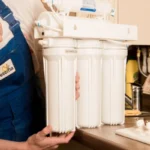
- Use a water filtration system. Water filtration systems can also help to reduce the levels of minerals in hard water, reducing the risk of negative impacts.
- Use soap and detergents specifically designed for use with hard water. These products are formulated to work effectively in the presence of high levels of minerals, reducing the risk of negative impacts on skin and hair.
- Drink bottled water. Drinking bottled water can help to reduce exposure to hard water and its associated risks.
The effects of hard water on household appliances
Minerals in hard water build up in pipes and damage your washing machine, dishwasher and water heater. This can lead to higher energy consumption, repairs and replacements being more frequently needed, and appliances having shorter life. Hard water is bad for your appliances, which costs a lot in the long run.
What are the benefits of soft water?
Soft water, meanwhile, is water that’s been stripped of its minerals by a water softener or filtration process. There are many reasons why soft water is better than hard water: — improved taste and quality; — decreased scum in the pipes; — better use of water by water-consuming appliances. Also, soft water can improve skin and hair, prevent indigestion, and decrease the incidence of cardiovascular disease.
The costs and considerations of water softening systems
Water softeners are a very good way to eliminate the harmful effects of hard water, but they are quite expensive. A water softener system may cost you more or less the same based on the system size and technology used. Furthermore, water softeners are very prone to break down and can take a lot of salt in them which can be harmful to the environment. Inquire first about the expense and environmental implications before purchasing a water softener system, and what is needed and wants of the household.
Share this on social media:
Facebook
Twitter
LinkedIn

Related Posts