Perils of Surface Water Contamination
- Published:
- Updated: November 21, 2024
Listen to this article
Summary
Surface water contamination poses significant risks to both human health and the environment. Sources like agricultural runoff, industrial discharge, and sewage overflow contribute to this problem. Consequences include health issues, biodiversity loss, and economic impacts. Community engagement and international cooperation are crucial for prevention. Measures include best practices, regulation, improved sewage treatment, and public education.

The surface water is the most important resource for a community – water for drinking, irrigating and recreational purposes. But surface water is also prone to contamination, and its effects can be both health- and environment-damaging. Surface water contaminations – industrial discharge, agricultural run-off, sewage discharge – can be incredibly harmful to human health, aquatic life and the natural world.
What is Surface Water Contamination and How Does it Happen?
Contamination of surface water: Contamination of surface water sources in lakes, rivers and streams. Such contamination can take many forms, from agricultural discharge to industrial discharge and sewer overflow.
Farm run-off is one of the most common contaminants in surface water. That is when fertiliser, pesticides and other farm input chemicals reach surface water, and contaminate the water and make it toxic to plants, livestock and humans.
Chemical effluent is another source of contamination of surface waters. It’s when chemicals and other pollutants are spilled into surface water from industry, such as production and mining.
There’s also sewage overflow as another source of contamination. It is when sewer plants are overwhelmed by rain or other events and raw sewage flows into the surface water.
The Impact of Surface Water Contamination
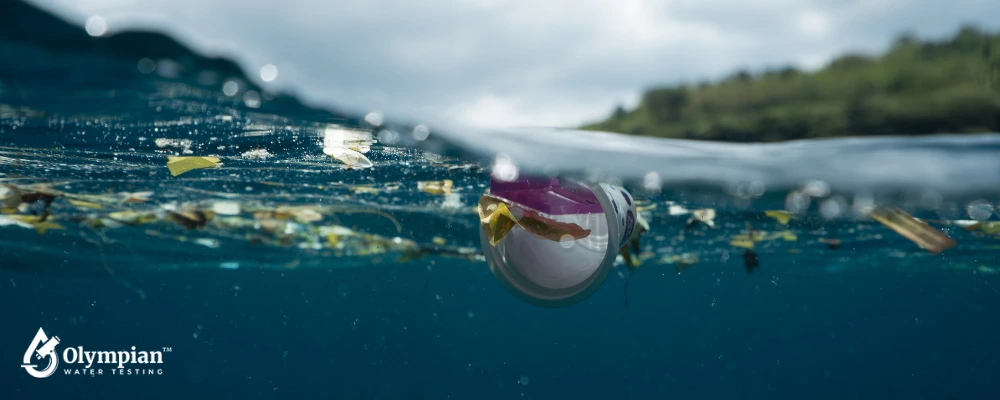
The impact of surface water contamination can be far-reaching, affecting both human health and the environment. Some of the most significant impacts of surface water contamination include:
- Health problems: Surface water contamination can cause a range of health problems for humans and animals, including skin irritation, digestive problems, and even death in severe cases.
- Loss of biodiversity: Surface water contamination can cause the loss of biodiversity in waterways and other habitats, reducing the number of species that can be used for food and other purposes.
- Economic impacts: Surface water contamination can have a significant impact on local economies, reducing the value of property and tourism, and leading to the loss of livelihoods for people who depend on fishing and other aquatic resources for their income.
- Increased costs for treatment and disposal: Surface water contamination can increase the costs of treatment and disposal, as more expensive methods may be needed to remove the contaminants from the water.
The role of community engagement in preventing surface water contamination
Decontaminating surface water requires community and stakeholder participation. The community can also help to prevent contamination by sensitizing the public to water quality and good management practices, and getting them to act to help keep the water clean.
Community members, for instance, can coordinate best management practices (reduced pesticides and fertilisers, for instance, and soil management). They could also lobby for stricter regulations to limit industrial effluent and sewage spillage, and for upgrades to sewer systems.
Collective action can reduce surface water contamination and support the long-term sustainability of communities’ water supply by coordinating with and resourcing their water systems in ways that benefit everyone.
What is the role of international cooperation in preventing surface water contamination?
Avoiding pollution of surface waters is an international task and requires global coordination. Countries can halt contamination and maintain water quality through cooperation, sharing of information and resources and in the adoption of best management practices and regulations.
Global cooperation could also go to the source of surface water pollution, such as climate change and economic growth. Countries that jointly work to curb greenhouse gases, preserve ecosystems and encourage sustainable economic growth can reduce the risk of water pollution on the surface and make water a sustainable resource in the long term.
How to Prevent Surface Water Contamination
Preventing surface water contamination is essential for protecting human health and the environment. Some of the steps that can be taken to prevent surface water contamination include:
- Implementing best management practices: Best management practices can help to reduce the amount of contaminants that enter surface water sources, including reducing the use of pesticides and fertilizers and improving soil management practices.
- Regulating industrial discharge: Regulating industrial discharge can help to reduce the amount of pollutants that are released into surface water sources, protecting water quality and human health.
- Improving sewage treatment facilities: Improving sewage treatment facilities can help to prevent sewage overflow and reduce the amount of contaminants that enter surface water sources.
- Monitoring water quality: Regular monitoring of water quality is essential for identifying potential problems and taking steps to address them. This can include testing for contaminants, monitoring water flow and temperature, and monitoring aquatic species populations.
- Educating the public: Educating the public about the importance of water quality and best management practices can help to reduce the impact of surface water contamination on human health and the environment.
The importance of long-term planning for preventing surface water contamination
The answer is long-term thinking, with constant water monitoring and control as a priority to avoid surface water contamination. It is about being active in water management and planning for the future demands of people and planet. The infrastructure and technology is one way, for instance, to make water quality sustainable in the long term. Such measures can range from building new sewage treatment plants, to upgrading existing infrastructure and investing in monitoring and testing infrastructure to maintain the integrity and reliability of water supplies.
Long-term water management – together, we can prevent surface water contamination to protect water resources for the long-term health and wellbeing of people and the planet. Surface water pollution is a very serious problem with a high human and environmental impact. Surface water pollution must be prevented for the protection of communities and the environment, through a combination of best management practices, regulation, infrastructure upgrades, and surveillance.
Share this on social media:
Facebook
Twitter
LinkedIn

Related Posts