
Skin Problems Associated with Showering in Contaminated Water
- Published:
- Updated: April 29, 2025
Listen to this article
Summary
Showering in contaminated water can lead to severe skin problems.
- Pathogens like E. coli and Legionella can cause infections, rashes, and irritations.
- Chemicals such as chlorine and pesticides can trigger allergic reactions and exacerbate conditions like eczema.
- Long-term exposure to heavy metals like lead and arsenic can result in chronic skin conditions and even skin cancer.
Water contamination is a global threat, and it goes beyond drinking water and even tap water used in everyday cleaning. Take bath in the polluted water and you will suffer various skin conditions and serious health issues. The following article describes the skin conditions caused by showering in dirty water and its dangers.
How Contaminated Water Affects the Skin
Even the skin – an organ of defense – is at risk of being infected by contaminants in water. By bathing, you expose your skin to these pollutants, and you could get infected, irritation, and even worse, damage your health for years. The combination of water temperature and pollutants will add to the effects resulting in more severe skin infections.
According to the World Health Organization, nearly 40% of urban water systems worldwide contain traces of harmful chemicals or bacteria. This alarming statistic highlights the significant challenges cities face in maintaining safe and clean water supplies. Contaminants such as industrial chemicals, agricultural runoff, and pathogens like E. coli can enter water systems, posing risks to public health. As a result, many urban populations are unknowingly exposed to water that may contribute to a range of health problems, including skin infections, gastrointestinal issues, and long-term diseases. The WHO’s findings emphasize the urgent need for improved water treatment processes and regular testing to ensure that urban water systems meet safety standards and provide clean water to residents.
Common Contaminants and Their Effects
- Bacteria and Viruses: Pathogens like E. coli, Staphylococcus, and Legionella can cause skin infections, rashes, and irritations. These microorganisms thrive in water and can easily come into contact with the skin during showering.
- Chemicals: Chlorine, pesticides, and industrial chemicals can lead to allergic reactions, dermatitis, and eczema. These chemicals can strip the skin of its natural oils, leading to increased dryness and irritation.
- Heavy Metals: Lead, mercury, and arsenic can be absorbed through the skin, leading to chronic skin conditions and systemic toxicity. Long-term exposure to these metals can result in significant health problems.
| Contaminant | Common Source | Skin Effect |
|---|---|---|
| E. coli | Contaminated sewage | Skin infections, rashes |
| Chlorine | Municipal water treatment | Dry skin, eczema flare-ups |
| Arsenic | Industrial waste, well water | Skin irritation, hyperpigmentation |
| Pesticides | Agricultural runoff | Dermatitis, allergic reactions |
Research shows that approximately 10-20% of people with eczema experience exacerbation due to chlorine exposure in shower water. Chlorine, commonly used in municipal water treatment, is known to strip the skin of its natural oils, leading to dryness and irritation. For individuals with eczema, this can trigger flare-ups, causing increased redness, itching, and discomfort. The harsh effects of chlorine can worsen the condition, making it harder for individuals to manage their eczema symptoms. Consequently, it is crucial for people with sensitive skin or pre-existing conditions to take precautions, such as using water filters or showering with cooler water, to reduce the risk of irritation and flare-ups caused by chlorine exposure.
Skin Infections and Conditions Caused by Contaminated Water
Contaminated water poses a significant risk to skin health, with various pathogens and chemicals leading to a range of skin infections and conditions. Pathogens such as bacteria, viruses, and parasites can easily make their way into water supplies, and when they come into contact with the skin, they can cause severe health issues. The types of infections that can result from exposure to dirty water vary, ranging from minor rashes to more serious skin diseases that require medical attention. Below are some of the most common skin problems caused by water contamination, including their symptoms and effects. It is important to be aware of these issues, as they highlight the crucial need for clean, safe water sources.
Skin Infections

Pathogens in contaminated water can cause a variety of skin infections. Common infections include:
- Folliculitis: Inflammation of hair follicles, characterized by red, swollen bumps.
- Cellulitis: A bacterial skin infection causing redness, swelling, and pain.
- Impetigo: A contagious skin infection presenting as red sores, often on the face.
These conditions are characterized by redness, swelling, pain, and pus-filled lesions. Severe infections may require medical treatment and antibiotics.
Skin Rash from Water with Bacteria

Showering with dirty water can lead to skin rashes and infections, particularly if the water is contaminated with harmful bacteria. Bacteria in the water can cause irritation or infection when it comes into contact with your skin, especially if you have sensitive skin or open cuts. Conditions like folliculitis, which is an infection of hair follicles, can occur, leading to red, itchy bumps or rashes. Other bacteria-related skin issues may include eczema flare-ups or more severe infections in rare cases.
If you’re concerned about dirty water causing skin infections, it’s important to ensure your water supply is clean and free from harmful bacteria. Using water filtration systems or testing your water regularly can help reduce the risk of exposure to contaminants that could cause skin problems. Additionally, it’s advisable to consult with local health authorities if you suspect any issues with your water quality. They can provide guidance on the best practices for maintaining clean water and may recommend sending samples to a laboratory to test for contaminated water. Taking proactive steps to safeguard your water supply will not only protect your skin but also contribute to your overall health and well-being.
Allergic Reactions

Chemistries in water causing allergies can cause itching, redness and hives. These can be a one-off response or can occur with regular exposure. Particularly vulnerable are those with delicate skin or who have had other eczema.
Dermatitis and Eczema

Longer exposure to polluted water causes dermatitis and worsens eczema. Dry, flaky, red skin are the signs. Chlorine and pesticides rob the skin of its oils, making it more dry and inflamed. These are often treated by doctor’s appointments and prescription skincare treatments.
Long-Term Skin Conditions

The heavy metals and persistent chemicals in the water are long-term skin problems. Exposure to heavy metals such as arsenic over time causes hyperpigmentation, keratosis and even skin cancer. Exposure to polluted water regularly can lead to persistent skin problems that must be treated continually.
Case Studies and Incidents
Water contamination incidents have had serious repercussions on public health, particularly affecting skin health in vulnerable populations. Below are a few notable case studies that illustrate how exposure to contaminated water can lead to various skin conditions:
1. Flint Water Crisis (2014)
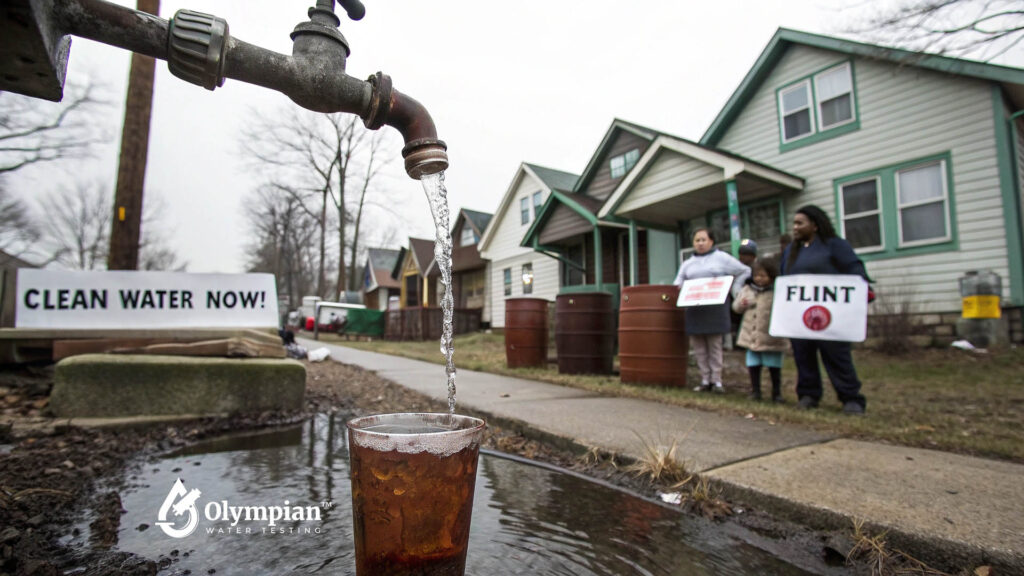
In the 2014 Flint water crisis, approximately 15,000 children were exposed to lead-contaminated water, leading to a significant rise in skin conditions such as rashes and infections. The corrosion of old pipes allowed lead to leach into the drinking water, causing both immediate and long-term health issues. Many residents, especially children, reported experiencing skin irritation and other health complications linked to the contaminated water supply.
2. Camp Lejeune, North Carolina

From the 1950s to the 1980s, military personnel and their families at Camp Lejeune were exposed to contaminated water containing chemicals like trichloroethylene (TCE) and perchloroethylene (PCE). Long-term exposure to these chemicals led to numerous health problems, including skin rashes, dermatitis, and even skin cancer. Many veterans have since reported skin conditions as a result of the exposure, with legal cases ongoing to address the harm caused.
3. Sydney, Australia - Lead Contamination (2000)

In the early 2000s, residents in parts of Sydney, Australia, experienced lead contamination in their tap water due to old lead pipes. Skin problems, particularly rashes and irritation, were commonly reported among those who used the water for bathing and cleaning. The incident led to a public outcry and an overhaul of the city’s water infrastructure, with a focus on replacing the lead pipes and improving water safety protocols.
4. Brazilian Water Crisis - 2008

In 2008, residents of several Brazilian cities experienced outbreaks of skin infections linked to water contaminated with industrial waste. The contamination caused widespread concern as local rivers became polluted, leading to rashes, eczema flare-ups, and other skin conditions in affected populations. Medical authorities advised citizens to avoid direct contact with contaminated water sources until proper filtration systems could be implemented.
These case studies highlight the importance of clean, treated water in preventing skin infections and other health issues, particularly for vulnerable populations. Regular water testing and the replacement of outdated infrastructure are critical to safeguarding public health.
Recommendations from Health Authorities
Medical professionals like the CDC and WHO don’t advise to flush your hands in polluted water. They say to shower with treated, filtered or bottled water to avoid eczema and other health problems.
Preventive Measures

If you want to ensure the integrity of your skin when you are taking a shower in water that might be toxic, here are some tips:
Boiling Water: Boiling removes many pathogens but not chemicals.
Water Purifiers: Filter your water well, it helps filter water and clean out a large number of contaminants to have safe shower water.
Bottled Water: When boarding the water for bathing in areas that have a high level of contamination, this is impossible but for most vulnerable individuals it is possible.
Skin Care Tips for Protecting Your Skin from Contaminated Water
Exposure to contaminated water can cause irritation and long-term damage to your skin. To help reduce these effects, here are four essential skin care tips to protect your skin:
1. Install a High-Quality Water Filter

Using a water filter designed to remove contaminants like chlorine, bacteria, and heavy metals can significantly reduce the risk of skin irritation. Consider installing a shower filter with activated carbon or a reverse osmosis system, which can effectively purify the water and prevent harmful substances from making contact with your skin.
2. Shower with Cool Water

Hot water opens up the pores and increases the absorption of contaminants. Opt for cool or lukewarm water to minimize skin irritation and prevent the drying effects that are common with chlorinated water. Additionally, limit the time you spend in the shower to further reduce exposure to potential irritants.
3. Use Gentle, Fragrance-Free Skin Care Products

Harsh soaps and cleansers can worsen skin irritation caused by contaminated water. Choose gentle, fragrance-free products that are designed for sensitive skin. Look for moisturizers with ingredients like aloe vera, ceramides, or hyaluronic acid to restore your skin’s moisture balance and reduce dryness and inflammation.
4. Moisturize Regularly

After showering, apply a rich moisturizer to help lock in hydration and restore your skin’s natural barrier. Moisturizing immediately after showering helps combat the drying effects of contaminants and keeps your skin soft and smooth. Choose a product that contains soothing ingredients like shea butter or ceramides to provide extra protection against irritation and dryness.
Conclusion
Showering in contaminated water exposes your skin to a range of harmful pathogens, chemicals, and heavy metals that can lead to short-term irritation or long-term skin conditions. From rashes and infections caused by bacteria like E. coli to more severe issues linked to long-term exposure to chlorine or arsenic, the risks are significant. However, there are steps you can take to protect your skin. Installing high-quality water filters, showering with cool water, using gentle skin care products, and moisturizing regularly can significantly reduce the impact of contaminated water on your skin. By taking proactive measures, you can minimize exposure to harmful substances and safeguard your skin’s health. Regular water testing, combined with preventive skin care practices, will help ensure that you maintain both clear, healthy skin and overall well-being.
Take Action Now: Test Your Water for Contaminants
If you’re concerned about the quality of your tap water and its impact on your skin health, don’t wait. Testing your water for harmful contaminants is the first step toward protecting yourself and your family. With professional water testing, you can identify dangerous chemicals, bacteria, and heavy metals that could be affecting your skin and overall health. Contact us today to schedule a water test and ensure that the water you use every day is safe and clean. Protect your skin, your health, and your peace of mind!
Shedule Your Test Now!
Share this on social media:
Facebook
Twitter
LinkedIn

Related Posts