Manhattan's Water Quality: A Comprehensive Guide
- Published:
- Updated: January 2, 2025
Listen to this article
Summary
Uncover the story of Manhattan’s water quality, where rigorous monitoring, testing, and treatment ensure pristine drinking water for residents and visitors alike.
- The Source of Manhattan’s Water: Manhattan’s water originates from vast reservoirs and lakes in the Catskill, Delaware, and Croton watersheds, protected to maintain purity.
- The Journey of Water to Manhattan: Water travels through tunnels and aqueducts, tested and treated, ensuring it meets strict quality standards.
- Testing and Monitoring: Manhattan’s water undergoes over half a million tests yearly for 250+ contaminants, ensuring safety from source to tap.
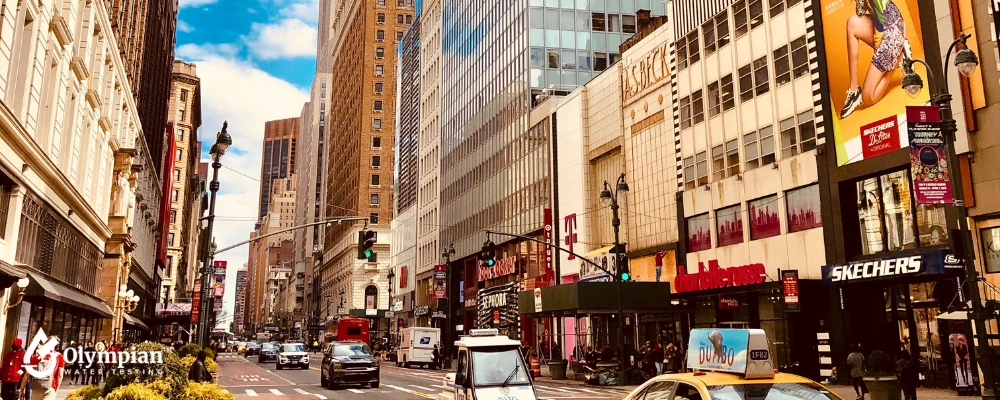
Discover the history of Manhattan water quality where the pursuit of safe, clean water has been part of the evolution of the city. Manhattan is one of the city’s most memorable boroughs and, to make it all work, the city is equipped with an interconnected system of water sources, treatment plants, and pipelines. Seeing how closely the monitoring, testing and treatment is conducted, we see the commitment and infrastructure behind Manhattan’s clean drinking water, to protect the health and wellbeing of its citizens and tourists alike.
The Source of Manhattan's Water
Manhattan’s water comes from an expansive network of reservoirs and lakes, most concentrated in the Catskill and Delaware watersheds, way out of the city. These are reservoirs with a phenomenally great volume of water, and feed the city with its fresh water. So too does the Croton watershed, located in the Hudson Valley, which provides water for the city.
They’re mostly nourished by rain and groundwater, and the water they receive is strangely pure because the surrounding land is mostly protected. Such a protection is a product of the city’s deliberate investment in preserving the quality of the watershed landscapes as a sort of first-pass filtration system.
The Journey of Water to Manhattan

Water starts its long trip to Manhattan from these secluded reservoirs. That’s an engineering feat: the water goes so far by gravitation alone. The water flows under valleys and rivers, through tunnels and aqueducts, to the city.
Water arrives at destination and is fed into nearby reservoirs before reaching the users via a vast network of water mains. On the way, the water is tested and filtered whenever necessary to make sure it’s in accordance with health and environmental regulations.
What are water quality standards and why are they important?
Water quality in Manhattan is under federal and state regulation so that it can be used safely and cleanly. In the federal level, the US Environmental Protection Agency (EPA) regulates the Safe Drinking Water Act, to which all public water systems are subject.
The New York State DEPArtment of Health at the state level regulates their own criteria, often more stringent than the EPA’s. They are measures of water quality, including — but not limited to — permissible concentrations of different types of pollutants, turbidity and disinfection practices.
Testing and Monitoring of Manhattan's Water
The water quality in Manhattan is a major ongoing task carried out by the New York City Department of Environmental Protection (DEP). DEP does more than half a million tests every year, observing the watershed to the tap.
The DEP’s strict tests examine water for more than 250 potential pollutants, from microorganisms and chemicals to radiological elements. Not only does the DEP test the water at the source, but the DEP also samples all points throughout the system, from public schools, street sampling stations and even residential homes, to make sure the water in the system is clean.
Common Contaminants in Manhattan's Water
Even with all the good quality and testing, some common pollutants could be in Manhattan’s water. These contaminants include:
Lead: Water that encounters lead pipes or fixtures may contain lead. The city has taken care to keep this risk as low as possible, but older buildings might contain lead pipes.
Chlorine: The chlorine disinfectant used in water treatment will make the water taste and smell.
Compounds of organic matter: The discharge from other sites will add organic material to the water supply, but it is usually well below the regulatory threshold.
These contaminants typically aren’t contaminated in quantities well within the regulatory parameters, but even so, it is still worth consumers knowing about them and asking for additional filtration if you have concerns.
Health Impact of Water Quality
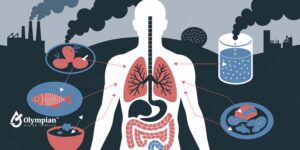
There’s no good without clean water. Drinking water contaminants can cause any number of health problems, from stomach aches and indigestion, to more severe illnesses, depending on the contaminants’ type and concentration.
Lead, for instance, can be devastatingly harmful – especially for children – for their cognitive development and for their various physical health consequences. Long term exposure to some organic molecules can be health-damaging as well – possibly including for some types of cancer. High water quality, then, is about more than providing clean, mouthwatering water: it’s about protecting the health of Manhattan’s people.
How can residents contribute to improving water quality?
Manhattan residents can play a significant role in preserving and enhancing their water quality. Here are some actionable tips:
- Be mindful of what goes down the drain: Avoid pouring fats, oils, and grease down the drain, and never flush medications, as these can contribute to water pollution.
- Install water-efficient fixtures: This not only saves water but also reduces the amount of water that needs to be treated.
- Consider using a water filter: Filters can provide an extra level of protection against potential contaminants, improving the taste and safety of your drinking water.
Steps Taken to Improve Water Quality
With the DEP, the city of Manhattan constantly tries to get the water better and to maintain its source. This includes continual infrastructure upgrades, new water mains and treatment plants, and diligent maintenance of the watershed sites.
The city’s watershed protection scheme, an attempt to steward the land that lies around its reservoirs, is another. This includes land acquisition, tight land use policies and collaboration with farmers and other watershed landowners to apply best management practices. These early actions are all about keeping Manhattan’s water better.
Share this on social media:
Facebook
Twitter
LinkedIn
Next Article:

Related Posts