Health Effects of VOCs in Drinking Water
- Published:
- Updated: December 16, 2024
Listen to this article
Summary
Exposure to volatile organic compounds (VOCs) in drinking water can lead to a variety of health effects, ranging from acute symptoms like headaches and nausea to chronic conditions such as cancer and reproductive disorders. Common VOCs found in drinking water include benzene, tetrachloroethylene (PCE), trichloroethylene (TCE), and vinyl chloride, which are associated with serious health risks including liver and kidney damage, and increased cancer risk. Pregnant women, infants, and individuals with compromised immune systems may be particularly vulnerable to these effects. Regulatory frameworks like the Safe Drinking Water Act in the United States aim to mitigate these risks, but more aggressive action may be needed. Mitigation strategies include using water filtration systems, opting for bottled water from reputable brands, and reducing overall exposure to VOCs. Advanced technologies such as gas chromatography-mass spectrometry (GC-MS) and advanced oxidation processes (AOPs) offer promising avenues for detecting and removing VOCs from drinking water. Despite the focus on acute exposure, long-term low-level exposure to VOCs can also pose significant health risks, necessitating further research into their chronic effects.

The chemical category of volatile organic compounds (VOCs) is used in water. These chemicals come from various processes, from factories to landfills to contaminated groundwater. There are health impacts from VOCs in water, such as headaches and vomiting, to more lingering ailments such as cancer and reproductive disorders.
What Are VOCs?
The volatile organic chemicals are chemicals that are low in boiling point and easily lose to the atmosphere. They’re used as solvents in industrial applications and also in many household goods such as paints, glues and cleaning products. Natural sources of VOCs include plants and trees, too. VOCs can pollute groundwater and drinking water when they get released into the environment.
Common VOCs Found in Drinking Water

The many VOCs that can be found in water, some of the most prevalent ones being:
Benzene
Benzene is a VOC found in industry sectors such as petroleum refining and chemical production. Cigarette smoke, automobile exhaust, etc contain it. We have found benzene causes for various diseases, from leukemia to cancer.
Tetrachloroethylene (PCE)
The VOC is called Tetrachloroethylene or PCE, which is widely used in dry cleaning and metal degreasing. It also exists in contaminated groundwater. There are several health effects of PCE: damage to liver and kidneys, increased risk of cancer.
Trichloroethylene (TCE)
Trichloroethylene (TCE) is a VOC widely used in industry such as metal degreasing and electronics production. Also present in polluted groundwater. The harmful effects of TCE are multiple – liver and kidney failure, even cancer.
Vinyl Chloride
Vinyl Chloride is a VOC produced in PVC plastic. Even in polluted groundwater. Vinyl chloride exposure has also been connected to liver and lung cancer.
Health Effects of VOCs in Water
There are many health effects associated with VOCs in water, depending on the type and concentration of chemical present. Here are some of the most common side effects:
Acute Symptoms
VOCs in water can lead to severe symptoms such as headaches, dizziness and nausea. Such symptoms are most common a short time after exposure and may be indicative of a more serious health issue.
Chronic Health Conditions
Long-term VOCs in water cause chronic illnesses such as cancer, liver and kidney damage and reproductive issues. These diseases can be decades in the making and only show up years later.
Developmental and Reproductive Effects
The developmental and reproductive effects of drinking water VOC exposure can be induced as well. For instance, some VOCs have been associated with birth defects, developmental delay and reduced fertility.
Immune System Effects
The immune system can also be affected by VOCs in water. Some VOCs are known to cause infection and autoimmune disease.
Testing for VOCs in Drinking Water
Testing for VOCs in drinking water is important to ensure that water supplies are safe for human consumption. Here are a few things to keep in mind about testing for VOCs:
- Know What You’re Testing For: When testing for VOCs in drinking water, it’s important to know what you’re looking for. Different VOCs have different testing methods, and some tests may not be able to detect certain types of VOCs. It’s important to work with a qualified laboratory to ensure that you’re using the appropriate testing methods.
- Follow Sampling Protocols: To ensure accurate testing results, it’s important to follow sampling protocols when collecting water samples. This includes using appropriate containers, taking samples from the appropriate locations, and avoiding contamination during the sampling process.
- Be Aware of Interferences: Interferences can impact the accuracy of VOC testing results. For example, some contaminants can interfere with testing methods and make it difficult to detect certain VOCs. It’s important to work with a qualified laboratory to ensure that interferences are properly accounted for.
- Stay Informed: As new testing methods and technologies become available, it’s important to stay informed about changes in VOC testing. This can help ensure that you’re using the most up-to-date and accurate methods for detecting VOCs in drinking water.
Vulnerable Populations and VOC Exposure
Certain populations may be more vulnerable to the health effects of VOCs in drinking water. For example, pregnant women, infants, and young children may be more susceptible to developmental and reproductive effects. Older adults and people with compromised immune systems may be more susceptible to infections and other immune system effects. Low-income communities and communities of color may also be disproportionately affected by VOC exposure due to environmental injustice and unequal access to resources like clean water. By understanding the vulnerabilities of different populations, we can work to develop targeted strategies to reduce the health effects of VOC exposure.
What are the Regulatory Frameworks for VOCs in Drinking Water?
There are several regulatory frameworks in place to help protect the public from the health effects of VOCs in drinking water. In the United States, the Safe Drinking Water Act sets national standards for drinking water quality and requires regular testing and monitoring of public water supplies. The Environmental Protection Agency (EPA) has set maximum contaminant levels for several VOCs, including benzene and vinyl chloride. However, some experts argue that these regulatory frameworks do not go far enough to protect public health, and that more aggressive action is needed to address the health effects of VOCs in drinking water.
Mitigating the Health Effects of VOCs in Drinking Water
If you’re concerned about the health effects of VOCs in your drinking water, there are several things you can do to mitigate your risk:
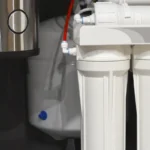
- Use a Water Filtration System: Water filtration systems can be an effective way to remove VOCs from drinking water. Activated carbon filters are especially effective at removing VOCs, and can be used in a variety of filtration systems.
- Use Bottled Water: If you’re concerned about VOCs in your drinking water, you may want to consider using bottled water instead. Be sure to choose a reputable brand that has been tested for VOCs.
- Contact Your Local Water Authority: If you’re concerned about VOCs in your drinking water, you can contact your local water authority to ask about testing and treatment options. Your water authority may be able to provide you with information about the quality of your drinking water and steps you can take to protect your health.
- Reduce Your Exposure: Finally, reducing your exposure to VOCs can help mitigate your risk of health effects. This can include using non-toxic household cleaners and personal care products, avoiding smoking and second-hand smoke, and ensuring adequate ventilation in your home.
Emerging Technologies for VOC Detection and Removal
With technological development, VOCs can now be easily found and eliminated from water. New testing methods, such as gas chromatography-mass spectrometry (GC-MS), for instance, can identify VOCs less accurately and sensitively than old methods, so that water quality can be more reliably monitored. Several new technologies such as advanced oxidation processes (AOPs) and membranes remove VOCs from drinking water. These technologies have potential for making water safer and better.
Health Effects of Long-Term Low-Level Exposure
Acute exposure to VOCs in drinking water with a high concentration is damaging, but low-level exposure can be dangerous over time. Chronic diseases such as cancer and fertility are possible even at extremely low doses, over the long term. But the long-term health consequences of low-level VOC exposure are not known, and much remains to be done to understand the dangers of chronic exposure.
Share this on social media:
Facebook
Twitter
LinkedIn

Related Posts