Getting Started with Water Quality Testing: A Comprehensive Guide
- Published:
- Updated: April 13, 2025
Listen to this article
Summary
Water quality testing is crucial for ensuring the safety and suitability of our water supply. Here’s a comprehensive guide to getting started:
Importance of Water Quality Testing:
- Ensure water is safe for human consumption, industrial processes, and aquatic life.
- Ensure compliance with regulatory standards set by agencies like the EPA.
Types of Tests:
- Physical tests (temperature, color, odor).
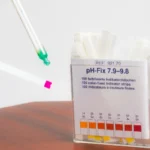
- Chemical tests (pH, TDS, conductivity).
- Biological tests (bacteria, viruses).
- Toxicity tests (heavy metals, pesticides).
Interpreting Test Results:
- Compare results with regulatory standards.
- Take appropriate action if contaminants exceed safe levels.

Water is the most valuable thing that we possess and water that’s of the highest quality affects our lives. Water quality testing is the measurement of physical, chemical and biological properties of water to determine whether it is safe and suitable for consumption. You might have well water or public water and testing your water to see whether it is safe to use and drink is one of the most important things to do.
Why is Water Quality Testing Important?
Water quality testing is important for several reasons, and its importance cannot be overstated. Here are a few key reasons why water quality testing is so critical:
- To ensure that water is safe for human consumption: The most obvious reason for water quality testing is to ensure that the water we drink and use for cooking and other purposes is safe for human consumption. Contaminants such as lead, bacteria, and viruses can pose a significant threat to our health, and it’s essential to test the water regularly to ensure that it’s free of these harmful substances.
- To ensure that water is safe for use in industrial processes: Many industries, such as agriculture and manufacturing, rely on water for their processes. In these industries, it’s essential to ensure that the water used is safe and suitable for its intended purpose. Testing the water regularly can help identify any potential issues before they become significant problems and can prevent costly downtime and production disruptions.
- To ensure that water is safe for aquatic life in aquatic environments: Water quality is also important for aquatic life in lakes, rivers, and other bodies of water. Testing the water in these environments can help ensure that the water is safe for the fish, plants, and other aquatic life that depend on it.
- To ensure that water meets the standards set by regulatory bodies such as the Environmental Protection Agency (EPA): The EPA sets standards for several contaminants, including lead, copper, and bacteria. By testing the water regularly, we can ensure that it meets these standards and that it’s safe for human consumption and other uses.
Types of Water Quality Tests

There are several types of water quality tests, each with its own specific purpose. Some of the most common tests include:
- Physical Tests: These tests measure the physical characteristics of water, such as temperature, color, and odor. Physical tests can provide important information about the appearance and odor of the water and can help identify potential issues, such as high temperatures that may indicate the presence of harmful bacteria.
- Chemical Tests: These tests measure the chemical characteristics of water, such as pH, total dissolved solids (TDS), and conductivity. Chemical tests can provide important information about the composition of the water, including the presence of minerals and other substances that may affect its safety and suitability for use.
- Biological Tests: These tests measure the presence of bacteria, viruses, and other microorganisms in water. Biological tests are critical for ensuring that the water is free of harmful bacteria and viruses that can pose a threat to human health.
- Toxicity Tests: These tests measure the level of toxic substances in water, such as heavy metals and pesticides. Toxicity tests are important for ensuring that the water is safe for human consumption and for aquatic life in aquatic environments.
Each type of test is designed to measure a specific aspect of water quality, and the results of these tests can be used to determine if the water is safe for its intended purpose. It’s important to note that different types of tests may be required depending on the intended use of the water, and it’s essential to consult with a professional to determine the right tests for your needs.
How to Interpret Water Quality Test Results
Once you have conducted a water quality test, it’s essential to know how to interpret the results. The interpretation of the results will depend on several factors, including the type of test performed and the standards set by regulatory bodies such as the EPA.
For example, the EPA sets standards for several contaminants, including lead, copper, and bacteria. If the results of your water quality test show that the levels of these contaminants are above the EPA’s standards, it’s essential to take action to address the problem. This may involve installing a filtration system, switching to a different water source, or taking other steps to reduce the levels of contaminants in the water.

It’s also important to keep in mind that water quality can vary over time, and it’s essential to test your water regularly to ensure that it remains safe. Regular testing can help identify any changes in water quality and allow you to take action to address any potential issues before they become significant problems.
What are the Best Practices for Water Quality Testing?
To ensure that your water quality tests are accurate and reliable, it’s essential to follow best practices. Some of the best practices for water quality testing include:
- Using a reputable laboratory for water tests: When selecting a laboratory for your water quality tests, it’s essential to choose a reputable and accredited laboratory that has experience in the type of tests you require. This will ensure that the results of your tests are accurate and reliable.
- Following the instructions provided by the laboratory for collecting and storing samples: The laboratory will provide instructions for collecting and storing samples, and it’s essential to follow these instructions closely to ensure that the results of your tests are accurate.
- Testing your water regularly to ensure that it remains safe: Regular testing is critical for ensuring that your water remains safe over time. It’s essential to test your water at least once per year, or more often if you have concerns about its quality.
- Keeping detailed records of your test results: Keeping detailed records of your test results, including the date of the test, the type of test performed, and the results, can help you track changes in water quality over time and identify any potential issues.
By following these best practices, you can ensure that your water quality tests are accurate and reliable, and that you have the information you need to make informed decisions about the safety of your water.
The Importance of Accurate Water Quality Testing Equipment

And it depends on your test equipment whether your water quality tests are going to be correct. And you need reliable, accurate equipment made just for the kind of test you’re doing. If you use the wrong equipment, your data will not be reliable, and you’ll end up figuring out that your water is unsafe.
There are many things you should take into account before buying water quality testing equipment: what kind of test you’re doing, how accurate do you need it to be, and what the cost will be. The other thing you’ll want to consider is what equipment is simple to operate and that returns a neat and concise output. pH meters, TDS meters, bacterial culture kits and other common water quality test equipment are among the most common ones.
Water Quality Testing for Aquatic Environments

So too is water quality testing to keep aquatic bodies like lakes, rivers and streams healthy. Water quality testing in such places can provide information about possible problems, including contamination or chemical changes in the water. If we learn about these problems, then we can act on them and help the living creatures who rely on these waters.
When you’re testing water in the marine area, you should employ a multi-point testing strategy that includes physical, chemical and biological tests. A full water quality test, for instance, could include pH, temperature, total dissolved solids, and the presence of pathogenic bacteria. They can be analysed to get an overview of the water health and any potential problems that require attention.
The Role of Government Regulations in Water Quality Testing

Worldwide, governments are responsible for keeping the water we use and drink safe. Governments impose standards of safe water, and methods of testing, by means of rules and regulations promulgated by governments like the United States’ Environmental Protection Agency (EPA).
That’s one of the main functions of government regulations, making sure that water quality testing is uniform and reliable. The EPA, for instance, prescribes protocols for water sample collection and testing, and water quality testing must be done by certified laboratories. In the sense of having water quality tests conducted regularly and reliably, government regulations ensure that the test data are accurate and reliable.
The Future of Water Quality Testing
While the technology has advanced, so too has water quality testing. Future we should see more innovative, faster, more accurate, and more user-friendly water quality testing equipment. It is also possible that technological change will allow for new and improved water quality tests that will tell us a complete picture of our water’s safety and quality.
Among the more exciting developments is the creation of water quality tests that could provide an answer in minutes or hours, rather than days or weeks. Such technology could be used to transform the testing of water quality, as it would be faster and easier to detect problems and remediate them. Future Water quality testing is one of these growing trends, so we’ll see a lot more innovations in the coming years.
Share this on social media:
Facebook
Twitter
LinkedIn

Related Posts