Maintaining Aquatic Biodiversity in Freshwater Ecosystems through Water Quality Conservation
- Published:
- Updated: December 16, 2024
Listen to this article
Summary
Aquatic biodiversity in freshwater ecosystems is crucial for their health and functioning. Pollution, overexploitation of resources, and habitat destruction threaten this biodiversity. Conserving water quality is essential to protect these ecosystems.
Aquatic biodiversity encompasses various species, ecosystems, and genetic diversity, supporting plants, animals, and microorganisms. It maintains ecosystem balance, regulates water temperature and oxygen levels, and provides essential services like water purification and flood control.
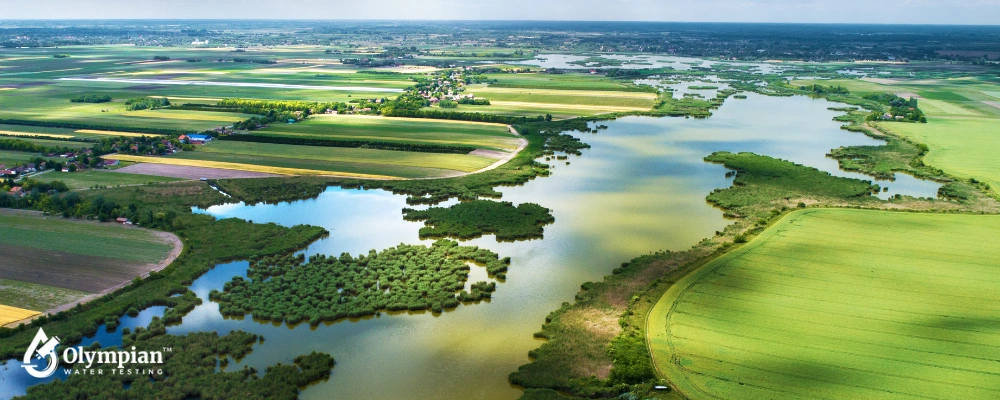
Aquatic diversity is crucial to the wellbeing of freshwater ecosystems. But human-caused losses of aquatic biodiversity and exploitation of freshwater ecosystems have also been a result of the bulk of human practices: pollution, overexploitation and habitat destruction. And so, there is no better time to act in conserving and preserving these vital ecosystems through water quality conservation.
What is Aquatic Biodiversity?
Aquatic biodiversity is the diversity of species, ecosystems and genetics of freshwater bodies of water such as rivers, lakes and marshes. They are so diverse and complex that they host all sorts of plants and animals: fish, amphibians, reptiles, mammals and birds, along with microorganisms such as algae and bacteria. These species interrelate with each other and with the environment in complex ways that contribute to the balance of a system needed for it to function and survive.
Importance of Aquatic Biodiversity

We depend on aquatic biodiversity to keep freshwater systems healthy and functioning. Aquatic plants, for instance, control the temperature, oxygen and nutrients of the water, which other aquatic life depends on. The species’ interactions also regulate the ecosystem to prevent any single species from monopolising and ensure the ecosystem as a whole is diverse.
Freshwater ecosystems perform a variety of important ecosystem functions, such as filtration of water, erosion control, and more. Wetlands, for instance, are also filters of water that clean contaminants out of the water and increase its quality. They also cushion floods by retaining runoff and reducing the speed of water flow into rivers and streams.
Freshwater environments are valuable for humans to eat, drink and play in. They are also instrumental to regional economies such as fishing and tourism. Many societies, for instance, are food and income-producing by fishing and aquaculture, and there are large numbers of visitors to freshwater habitats for boating, fishing and wildlife watching.
What are the Threats to Aquatic Biodiversity?
Unfortunately, many human activities have led to declines in aquatic biodiversity and the degradation of freshwater ecosystems. Some of the main threats include:
- Pollution: Pollution from industrial, agricultural, and urban sources is one of the biggest threats to aquatic biodiversity. This can include toxic chemicals, sewage, and nutrients from fertilizers, which can harm aquatic species and disrupt the balance of the ecosystem.
- Overexploitation of resources: Overfishing, hunting, and the harvesting of aquatic plants and animals can lead to declines in biodiversity and the degradation of freshwater ecosystems.
- Habitat destruction: The destruction of wetlands, rivers, and lakes through activities such as dam building, urbanization, and agriculture can also have a negative impact on aquatic biodiversity.
Importance of Maintaining Aquatic Biodiversity
Maintaining aquatic biodiversity is critical for ensuring the health and longevity of freshwater ecosystems. The loss of aquatic species and habitats can have far-reaching impacts on the entire ecosystem, including changes in water chemistry, loss of important ecosystem services, and declines in the populations of other species.
For example, the loss of top predators, such as large fish, can cause a ripple effect throughout the food chain. This can lead to an increase in the populations of smaller species, which can then have a negative impact on the populations of other species, including plants. This, in turn, can affect the entire ecosystem, leading to a decline in water quality, decreased biodiversity, and a loss of ecosystem services.
In addition, the loss of aquatic biodiversity can have negative impacts on human well-being. Freshwater ecosystems provide essential resources, such as food and water, and support local economies through activities like fishing and tourism. The decline of these resources and the ecosystems that support them can have serious consequences for local communities.
Water Quality Conservation
Water quality conservation is a critical component of efforts to conserve and protect freshwater ecosystems and maintain aquatic biodiversity. Some of the key strategies for water quality conservation include:
- Reducing pollution: Reducing pollution from industrial, agricultural, and urban sources is a critical step in conserving water quality and maintaining aquatic biodiversity. This can include measures such as better waste management practices, improved agricultural practices, and tighter regulations on industrial discharges.
- Protecting and restoring habitats: Protecting and restoring wetlands, rivers, and lakes is an important way to conserve water quality and support aquatic biodiversity. This can include measures such as conserving natural habitats, restoring degraded habitats, and creating new habitats through reforestation and other efforts.
- Managing resources sustainably: Managing resources such as fish and other aquatic species sustainably is crucial for maintaining water quality and supporting aquatic biodiversity. This can include measures such as setting fishing quotas, implementing fishing restrictions, and enforcing regulations on hunting and harvesting.
The Role of Governments and Communities in Water Quality Conservation
The conservation and protection of freshwater ecosystems and the preservation of aquatic life are responsibilities of governments and local communities. Water quality can be managed by governments and the aquatic life can be preserved through policies on pollution and resource use, habitat conservation and resale, and more sustainably managed resources.
Even the communities can be involved in water quality management by volunteering to work on conservation projects, by helping to promote sustainable resource management, and through pushing for stronger protections for freshwater ecosystems. They can do so by getting involved in conservation projects (wetlands restoration) and encouraging practices that promote sustainability (fishing gear bans) that help preserve aquatic life.
The Future of Aquatic Biodiversity and Freshwater Ecosystems
What will happen to aquatic life and freshwater ecosystems will depend on how we react now. These are hard things to preserve and save, but there’s also so much that could change for the better.
We can help to maintain the long-term health and wellbeing of freshwater ecosystems and the species that depend on them if we continue to work to reduce pollution, restore and protect habitats, and manage resources sustainably. It will take concerted action by governments, societies and individuals, but it will be good for the planet and good for human life — and a goal we should all aim towards.
Share this on social media:
Facebook
Twitter
LinkedIn

Related Posts