Signs of Water Discoloration to Watch Out For
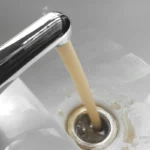
Many people notice stains on fixtures or clothing when bath water starts to look off. A sudden yellow or orange tint may be a sign of discolored water in the household. Some homeowners also detect a slight metallic scent that hints at iron content lurking in pipes.
Faucets and showerheads could develop light yellow marks that grow darker over time. Stubborn spots in toilets, tubs, or sinks may point to corrosion or sediment build-up. Strong tastes or odors can appear if these particles are stirred up by routine use.
Visual cues are not the only indicators. Shifting water pressure or noisy plumbing might coincide with unidentified buildup too. Reading this complete guide offers more ways to detect early warning signs.
- Yellowish residue on sinks or tubs
- Reddish marks around drains
- Strong metallic taste or smell
Indicator | Possible Cause |
Persistently stained fixtures | High iron content or mineral buildup |
Metallic odor | Discolored water from corroded pipes |
Common Causes of Yellow Water
Many households face the issue of tinted bath water due to interference from particles. Factors like the age of plumbing or natural deposits in nearby wells can cause a noticeable change in water color.
Mineral Buildup
Iron and manganese, naturally found in the Earth’s crust, can seep into the water supply. This results in a yellow or orange tint. Homes with private wells or outdated municipal lines are often affected. These minerals can cause gradual staining on tubs and sinks.
Regular testing and suitable filters can help alleviate this issue.
Corroded Pipes
Metal pipes, worn over the years, tend to corrode. Rusted pipes shed small flakes into the water, turning it yellow. This problem is prevalent in areas where cast-iron plumbing was common.
Updating these lines with modern materials can improve water clarity and taste. Plumbers often recommend replacing severely corroded segments and adding filtration systems to reduce rust particles.
How Rust and Iron Impact Your Bath
Rust and iron can turn clear bath water into a noticeable yellow or brown hue. Experts say oxygen reacting with these metals can make stains worse. This is why hot water discoloration is a common issue for homeowners.
Warming water makes sediment in pipes or heaters dissolve faster, making the rusty color more intense. Experts suggest flushing water heaters to cut down on buildup. Regular cleaning of these systems helps remove excess rust and iron, preventing an unpleasant taste.
Some homes see discoloration in both cold and hot water, indicating ongoing corrosion. Parts like older anode rods can rust and spread particles into the water. Monitoring water color and addressing wear signs helps maintain a clean bath. These actions also prevent major pipe damage.
Expert Insights on Filter and Treatment Options
Many households employ strategies to improve their bathwater clarity. Water filters and softeners play key roles in purifying water. Understanding these tools is vital for choosing the right one for your home.
These methods help prevent rust stains and maintain fixture cleanliness. Some systems target physical particles, while others tackle mineral buildup or odors.
Carbon Filters
Activated carbon filters capture chlorine, heavy metals, and organic compounds. They come in granular and block forms, suitable for various installations. Homeowners often notice better taste and odor after installation.
Water Softeners
Water softeners use ion exchange to remove calcium, magnesium, and iron. Brands like Culligan and Kinetico stress the importance of salt checks and correct settings. They help prevent scale buildup and improve appliance efficiency.
Filter Type | Key Purpose | Maintenance Tips |
Carbon Filters | Trap odors, chlorine, metals | Change cartridges regularly |
Water Softeners | Remove hardness minerals | Follow salt level guidelines |
For customized solutions, consider professional advice. Proper sizing and regular maintenance are critical. They protect against corrosion and extend plumbing component life, ensuring a safe and enjoyable bathing experience.
The Role of Municipal Water Supply
Local utilities treat and deliver tap water, adhering to strict guidelines. Maintenance can dislodge rust or minerals, causing sediment to mix with the water. This results in unexpected discoloration, which may last from a day to longer if the disturbance persists.
Experts from the American Water Works Association suggest running faucets until the water clears after repairs. They advise contacting the municipal water supply office for updates on pipeline work or system flushing. This ensures households are aware of any ongoing projects affecting their water quality.
Taking immediate action at the community level is essential. Regular inspections and timely maintenance of distribution networks are key. They help ensure every faucet delivers clean water consistently.
Recommendations from Plumbers Across the Country
Plumbing experts nationwide point to neglected pipes as the root of many bath water issues. They advocate for proactive measures. Camera inspections are a key strategy, revealing corrosion or hidden leaks before they worsen.
Identifying Pipe Material
Understanding the pipes material is essential for homeowners. Older metal pipes are susceptible to rust and mineral buildup. Knowing this helps in making informed decisions about repairs or replacements. This approach aids in maintaining water quality and preventing unexpected pipe failures.
Regular Maintenance Checks
Experts recommend regular inspections to catch early signs of damage. These inspections lead to long-term solutions. Over time, pipes can deteriorate, becoming more prone to cracks or rust. Regular checks can identify minor leaks or clogs that affect water color. This routine maintenance keeps repair costs down and boosts system reliability.
Perspectives from Homeowners’ Associations
Homeowners associations unite neighbors to address water issues with collective efforts. They invest in plumbing upgrades, keeping costs manageable for all. This ensures compliance with safety standards, fostering a sense of community and satisfaction.
Local groups emphasize practical steps for clear taps. They organize inspections and discuss cost-effective solutions. This keeps residents updated on their community’s evolving needs.
Local Water Regulations
State and federal guidelines dictate many decisions, including pipe replacements and filtration systems. HOAs consult with experts to ensure projects meet these standards. They also seek advice from the Environmental Protection Agency on water quality.
Budget-Friendly Fixes
Group discounts are a hit. Coordinated repairs and shared filter purchases cut down on costs. This allows residents to invest in lasting improvements at a lower price.
Long-Term Preventative Measures
Regular pipe flushing and recommended filtration systems lower risks. These measures prevent corrosion and promote a healthier environment. Proactive planning ensures transparency and reliability in every home.
When to Call in a Water Quality Expert
Yellow water in the bath could signal deeper contamination. TWC Draincare advises professional testing if the color persists or has an off taste. Flushing lines might remove mild buildup, but persistent discoloration suggests issues like iron bacteria or rust in older pipes.
Compromised pipes or decomposing organic material can lead to contaminated water, posing health risks. A certified water quality expert can analyze samples for iron, bacteria, and other contaminants. The complete guide to discolored tap water reveals that iron bacteria create slimy residue, while corroded pipes release rust into bathwater.
- Iron Filters can address iron particles or bacteria.
- Tannin Removal Systems focus on organic material.
- Pipe Replacement may be needed if corrosion is advanced.
Seeking help from a water quality expert promptly can prevent hidden dangers in your home’s water supply. Regular testing ensures peace of mind and keeps baths clean and refreshing.
Possible Health Implications of Discolored Water
Mr. Rooter Plumbing states that mild discoloration is rarely hazardous. Iron deposits and iron bacteria often leave a faint yellow tint. This can signal extra minerals in the supply. If you notice unusual odors or taste changes, a quick water check is advisable.
Skin Irritation Risks
Most rust or mineral buildup is harmless. Yet, people with sensitive skin might notice dryness or slight discomfort. Tap water with visible sediment may cause skin irritation over time, if left unaddressed. Simple filtration or softening methods can ease these concerns.
Potential Bacterial Contamination
Discoloration can stem from iron bacteria, which combine oxygen with metals to form slimy buildup in pipes. There is a small chance this environment could allow other organisms to thrive. Testing supplies for coliform ensures safety. Bacterial contamination is uncommon, but vigilance protects against deeper plumbing complications.
How Old Houses Handle Bath Water
Decades-old homes often retain original components that deteriorate with time. This includes galvanized pipelines, which can cause water discoloration and plumbing problems. Residents of such homes may notice their bath water turning yellow due to corrosion. Evaluations are essential to identify hidden issues behind walls or in crawl spaces.
Historic homes frequently require more repairs due to corroded pipes. These metal lines, once durable, lose their protective coating and release rust into the water. Homeowners of older homes may consider modern solutions for these pipelines. Partial fixes can prolong the plumbing’s life, while full replacements offer a stronger defense against discoloration and sediment.
Switching to PVC or copper can improve water clarity and reliability. This change protects both fixtures and occupants from pipe failures. Adopting a forward-thinking approach helps maintain classic charm while ensuring convenience and peace of mind.
Environmental Considerations and Conservation Tips
Many households aim for cleaner baths while caring for the planet. Making responsible water choices helps reduce waste and protect local ecosystems.
Modern homes can save money by installing water-saving fixtures. Regular repairs and checks help lower bills and preserve resources.
Sustainable Water Use
Sustainable water use starts with small actions. Low-flow faucets from brands like Delta cut down on consumption. Fixing leaks right away prevents further waste. Families can track their water use with meters, building habits that support water conservation.
- Install low-flow showerheads
- Check for hidden leaks
- Collect rainwater for gardening
Eco-Friendly Filtration
Eco-friendly filtration ensures clean baths without harsh chemicals. Systems from Brita or Culligan use natural materials. This approach promotes cleaner soaks and reduces environmental harm. Many fans of eco-friendly filtration pair these steps with water conservation routines for a balanced approach.
Fixture Type | Estimated Water Savings | Example Brand |
Faucet Aerators | Up to 50% | Moen |
Low-Flow Toilets | Up to 20% per flush | Toto |
Dual-Flush Systems | Up to 30% overall | Kohler |
Routine Maintenance Strategies for Clearer Baths
Homeowners can enjoy brighter baths by staying alert to early warning signs. Experts from TWC Draincare suggest annual evaluations to catch rust or sediment buildup before it affects water quality. Small efforts and consistent attention help prevent sudden surprises.
Regular Pipe Checks
Simple observations around faucets and under sinks reveal leaks that might escalate. A thorough schedule of pipe checks keeps corrosion in check and improves the flow of well-maintained systems. Occasional visits from a licensed plumber strengthen a home’s protection, ensuring materials show no visible wear.
Professional Water Testing
Licensed labs and certified technicians detect mineral imbalances and possible bacterial threats through professional water testing. This process goes beyond a quick glance, uncovering hidden culprits that change water color. Early detection leads to targeted solutions, saving both money and stress in the long run.
Looking Ahead to a Brighter, Clearer Bath
Homeowners who monitor their plumbing closely are more likely to maintain a clear bath. Regular checks can spot corrosion or mineral buildup early. This prevents major issues and keeps water quality high.
Experts recommend regular plumbing inspections and upgrades. This approach extends the life of home systems and enhances daily hygiene. It also reduces the risk of unexpected problems that can disrupt life.
Staying updated on local water supply changes and working with reliable experts adds to the peace of mind. These actions contribute to a clear bath and ongoing comfort for families. Prioritizing maintenance ensures a brighter future.