NYC Water Quality: How HAA5 Became a Hot Topic
- Published:
- Updated: February 17, 2025
Listen to this article
Summary
HAA5, a group of chemical byproducts formed during water disinfection, has become a key concern for NYC’s water quality. Understanding its sources, health implications, and treatment methods is essential for ensuring safe drinking water.
- Sources: Formed during the disinfection process when chlorine reacts with natural organic matter.
- Health Risks: Long-term exposure can increase cancer risk and cause reproductive and developmental issues.
- Treatment: UV disinfection, advanced filtration, and emerging technologies like AOPs and nanofiltration.

The serene beauty of the Central Park Reservoir, the placid flow of the Hudson River, the majesty of Niagara Falls—water is the lifeblood of New York State. In New York City (NYC), it not only brings life but also is an intrinsic part of the city’s identity. However, beneath this aesthetic charm and necessity lies an undercurrent of concern—Haloacetic Acids, or HAA5, a group of chemical byproducts formed when disinfectants interact with naturally occurring materials in water. An issue that is gaining attention, it raises serious questions about NYC’s water quality and the potential impact on its millions of residents.
The Composition and Importance of HAA5
Haloacetic Acids, abbreviated as HAA5, is a collective term referring to five chemical compounds—monochloroacetic acid, dichloroacetic acid, trichloroacetic acid, monobromoacetic acid, and dibromoacetic acid. These compounds, mainly formed as byproducts of disinfection processes in water treatment facilities, are commonly found in both drinking and surface water.
Understanding the nature of these compounds is crucial as they have been linked to health risks. Scientific studies have shown that prolonged exposure to high levels of HAA5 may result in an increased risk of cancer and potential reproductive and developmental health issues. Therefore, HAA5 has emerged as a significant factor in evaluating the safety and quality of water.
Where do the HAA5 (Haloacetic acids) in New York City's water supply originate from?
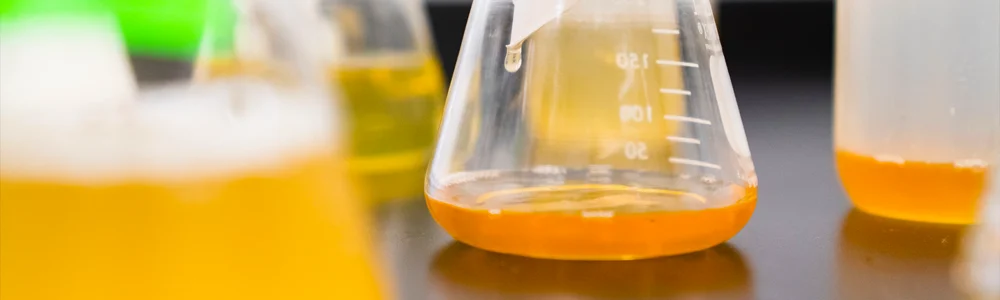
It is essential to recognize how these compounds make their way into NYC’s water supply. Primarily, HAA5 is a byproduct of chlorine, chloramine, and other disinfectants reacting with natural organic matter in the water. When disinfection processes occur in water treatment facilities, these chemicals interact with organic matter—such as decaying vegetation—to produce HAA5.
In the context of NYC, it is particularly crucial as the city’s water supply originates from a series of reservoirs and lakes outside of the city, exposed to organic matter. While the disinfection process is crucial for eliminating harmful bacteria and pathogens, it inadvertently leads to the formation of HAA5, making its presence a challenging balance between necessity and potential risk.
Understanding the Health Implications of HAA5
The potential health risks associated with HAA5 have raised concerns among researchers, water quality experts, and citizens alike. According to numerous studies, long-term exposure to high concentrations of HAA5 can result in an increased risk of developing various forms of cancer, including bladder and colorectal cancer.
Moreover, exposure to HAA5 might also lead to potential reproductive and developmental issues, with studies suggesting a correlation between high HAA5 levels and low birth weight, preterm birth, and congenital heart defects. The presence of HAA5 in NYC’s water, thus, underscores a critical public health issue.
Navigating Through the Maze of HAA5 Regulations and Standards
The U.S. Environmental Protection Agency (EPA) is aware of the risk of HAA5 for human health, and has designated a Maximum Contaminant Level (MCL) for these chemicals in drinking water. HAA5 is regulated by the EPA to ensure drinking water is safe in the US.
But maintaining these standards in a big city like NYC, with a water infrastructure that is complex, is impossible. The city’s water quality reports promise water that exceeds federal and state regulations (including HAA5) but the matter is a contentious one, especially with increasing urban air pollution and ageing infrastructure. Many residents find it difficult to reconcile the assurances provided in these reports with the reality of their daily experiences. Moreover, various new york city water myths have emerged, suggesting that tap water is either contaminated or inferior to bottled alternatives. As these misconceptions persist, they fuel ongoing debates about the true safety and quality of the city’s drinking water. Furthermore, community organizations and advocacy groups are working tirelessly to raise awareness about New York City water quality, aiming to educate residents on the actual standards and practices in place. These efforts are crucial in dispelling myths and fostering a more informed public dialogue about the issue. As discussions continue, the demand for transparency and improvement in the water infrastructure only grows, highlighting the importance of addressing both the environmental and systemic challenges that affect access to clean drinking water.
NYC vs. Other Cities: A Comparative Analysis
New York City isn’t the only city battling HAA5. Water quality is an issue in many U.S. cities. NYC’s water, on the other hand, has generally been described as a taste and quality product, and the city treats it extensively to make it safe.
But frequent occurrences of HAA5 and other DBPs tell us that there’s no time for rest. Compare with other cities, which could provide insight into how to better manage water and become aware of the importance of constant monitoring and better treatment.
Current Measures to Mitigate HAA5 in NYC
NYC has various tools in place to make sure the water is clean, from disinfection with UV light to corrosion prevention with phosphoric acid in the pipes. These actions, along with the city’s intensive monitoring and testing programme, are designed to maintain HAA5 concentrations within allowed limits.
At the same time, NYC is investing in new water treatment plants and infrastructure. That may include the proper use of disinfectants, filtration, and updating the pipe infrastructures so that HAA5 does not form.
Emerging Solutions and Technologies
The more science we understand, the better equipped we will be to cope with HAA5. New technologies have an opening to solve this:
Advanced Oxidation Processes (AOPs): Oxidation processes use oxidants to flush out organics in water to minimize HAA5 formation.
Nanofiltration: This process can purify water of both organics and disinfection effluents.
BAC Filters: Bacteria are introduced and they break down organic material and eliminate the precursors to HAA5.
These are not ubiquitous technologies yet, but they can do much for water quality and HAA5 reduction.
Empowering Locals: Actions for Safer Water
In the midst of all these pan-global actions and technologies, there are also individual steps that people can take to safeguard themselves and help in the bigger picture.
It is important to first know the health of your local water supply and the risks of HAA5 before you take action.
One can spend money on specialized home water filters that can filter HAA5 and other disinfection effluents from the tap.
Participating in local projects to maintain a healthier water table and pushing for clean water legislation can go a long way.
While NYC’s water has been the target of HAA5, research, government monitoring, improved water treatment technologies and educated citizens help us believe that NYC’s water can be a future with good water.
Conclusion: Addressing HAA5 in NYC Water
To control HAA5 in NYC’s water, we need to keep a close eye on it, have cutting-edge treatments, and educate the public. NYC could keep water clean by investing in new solutions and following stringent laws. Participation by residents and education about water quality are two ways citizens can make sure all residents have safe water. With collective efforts and technology, NYC can successfully control HAA5 and protect the public health.
Share this on social media:
Facebook
Twitter
LinkedIn

Related Posts