Is treated water from a treatment plant safe to drink?
- Published:
- Updated: January 6, 2025
Listen to this article
Summary
Treated water from treatment plants is generally safe to drink when it meets regulatory standards. The treatment process involves multiple stages designed to eliminate contaminants, ensuring safe and clean water for consumers. Continuous monitoring and advancements in technology are crucial to maintaining water quality and addressing emerging contaminants.
- Water Treatment Process: Involves coagulation, sedimentation, filtration, and disinfection to remove impurities.
- Regulatory Standards: Water must meet strict guidelines from organizations like the EPA and WHO to ensure safety.
- Consumer Action: Installing home filtration systems, regular maintenance, and staying informed about local water quality reports further ensures safe drinking water.

In an era where environmental sustainability and public health are of paramount concern, understanding the safety of drinking water is critical. The question, “Is treated water from a treatment plant safe to drink?” is one that resonates with many individuals, communities, and regulators worldwide. As populations grow and industrial activities increase, the demand for clean water and the assurance of its safety continue to be pressing issues. Ensuring access to safe drinking water is not just a public health necessity but also a pivotal component of environmental justice and sustainable development.
As a seasoned professional in environmental consulting and water quality analysis, with over thirty years of experience, I aim to provide a detailed examination of this topic. This article will explore the processes involved in water treatment, address common concerns about treated water safety, and offer practical water safety tips. By delving into these areas, we can gain a comprehensive understanding of how water treatment facilities operate and the measures they take to maintain water quality, as well as what individuals can do to further safeguard their water.
Understanding Water Treatment Processes
Water treatment plants are engineered to transform raw, potentially hazardous water into a clean and safe resource. This involves multiple stages, each meticulously designed to remove various contaminants. The processes are highly systematic and aim to address a wide spectrum of impurities, ensuring that the water delivered to our taps is free from harmful substances and safe for consumption. These facilities often combine mechanical, chemical, and biological methods to achieve optimal results, making them an essential part of modern infrastructure.
Coagulation and Flocculation

The initial stage involves coagulation, where chemicals with a positive charge are added to the water. This neutralizes the negative charges of dirt and other dissolved particles, allowing them to bind together into larger particles called flocs. This process is crucial because it sets the stage for effective sedimentation by grouping together tiny particles that would otherwise remain suspended in the water. Coagulation and flocculation are particularly effective in removing turbidity and color, which are common in untreated water sources.
The chemicals used in this process, such as aluminum sulfate or ferric chloride, are chosen for their ability to efficiently aggregate particles without introducing harmful residues. The effectiveness of this stage depends on proper mixing and dosing, which requires careful monitoring and adjustments based on the specific characteristics of the incoming water. By creating flocs, these initial steps in water treatment significantly reduce the load of suspended solids, facilitating subsequent purification processes.
Sedimentation
Following coagulation, the water and flocs undergo sedimentation. During this process, gravity pulls the flocs to the bottom of the treatment tank, effectively removing them from the water. This stage is critical because it significantly reduces the turbidity and particulate load of the water, making it easier to filter and disinfect later. Sedimentation tanks are designed to optimize the settling process, with considerations for flow rate and tank geometry to maximize efficiency.
In many treatment plants, the settled sludge is periodically removed and treated separately, ensuring that the water continues to flow smoothly through the system. This separation of solids from the liquid phase is a vital step in ensuring that the subsequent filtration process is not overwhelmed by particulates. The efficiency of sedimentation can be enhanced through the use of inclined plate settlers or tube settlers, which increase the surface area for settling without requiring larger tanks.
Filtration
The next step is filtration, where the clear water on top passes through filters of varying compositions (sand, gravel, charcoal) to remove dissolved particles such as dust, parasites, bacteria, viruses, and chemicals. Filtration acts as a physical barrier, capturing remaining impurities that were not removed during sedimentation. The choice of filter media and the design of the filtration system can vary depending on the specific contaminants present in the source water and the desired water quality.
Advanced filtration methods, such as membrane filtration, have become increasingly popular due to their ability to remove microscopic contaminants effectively. These systems can be tailored to target specific impurities, offering a flexible approach to managing diverse water quality challenges. Regular backwashing and maintenance of filters are essential to ensure their continued effectiveness, preventing clogging and ensuring that clean water flows consistently.
Disinfection
Finally, disinfection is employed to eliminate any remaining microorganisms. Chlorine or other disinfection methods are used to ensure that the treated water is safe for human consumption as it exits the plant and enters the distribution system. Disinfection is a critical step in preventing waterborne diseases, as it targets pathogens that can cause serious health issues. The choice of disinfectant and the method of application depend on the characteristics of the water and the specific pathogens of concern.
Alternative disinfection methods, such as ultraviolet (UV) light and ozone, have gained popularity due to their effectiveness in inactivating microorganisms without introducing chemical byproducts. Each method has its advantages and limitations, and treatment facilities often use a combination to achieve optimal results. Ensuring that an adequate residual disinfectant level is maintained throughout the distribution system is crucial for safeguarding water quality as it travels to consumers’ taps.
Is Treated Water Safe?
Regulatory Standards and Compliance
Globally, treated water must meet stringent regulatory standards before it is deemed safe for public consumption. Agencies such as the U.S. Environmental Protection Agency (EPA) and the World Health Organization (WHO) set guidelines that treatment plants must adhere to, ensuring that water quality meets public health requirements. These standards are based on scientific research and are designed to protect public health by limiting the concentrations of harmful substances in drinking water.
Compliance with these regulations is mandatory, and treatment plants are subject to regular inspections and audits to ensure they meet these standards. The guidelines cover a wide range of potential contaminants, including microbial, chemical, and radiological hazards. By adhering to these standards, treatment facilities play a crucial role in safeguarding public health and maintaining consumer confidence in the safety of their drinking water.
Monitoring and Testing
Continuous monitoring and regular testing are fundamental to maintaining water safety. Treatment facilities are equipped with advanced analytical tools to detect any deviations from safety standards promptly. This proactive approach mitigates potential risks and assures consumers of the water’s safety. These facilities employ a combination of manual sampling and automated monitoring systems to ensure comprehensive oversight of water quality parameters.
Regular testing includes a broad spectrum of analyses, from microbial testing to chemical assays, ensuring that no aspect of water quality is overlooked. By maintaining rigorous monitoring protocols, treatment plants can quickly identify and address any issues that arise, thereby preventing potential health risks. This continuous vigilance is vital for maintaining the reliability and trustworthiness of treated water supplies.
Addressing Contaminants
Despite rigorous treatment processes, concerns about contaminants such as lead, pesticides, and pharmaceuticals persist. However, most treatment plants are equipped to handle these threats, employing advanced techniques such as activated carbon filtration and reverse osmosis, which are effective in reducing or eliminating these contaminants. Continuous research and development in treatment technologies are essential to address emerging contaminants and ensure that treatment processes remain effective.
Public awareness and regulatory updates also play a significant role in managing these risks. By staying informed about potential sources of contamination and advocating for stricter controls and better infrastructure, communities can help ensure that water treatment processes evolve to meet new challenges. Collaboration between regulators, industry, and the public is key to maintaining the safety of treated water in the face of new and evolving threats.
Water Safety Tips for Consumers
While treatment plants play a significant role in ensuring water safety, consumers can take additional steps to ensure their drinking water remains safe:
Household Filtration Systems
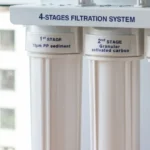
Installing a household water filtration system can provide an extra layer of protection. Systems such as activated carbon filters, reverse osmosis units, or distillation systems can effectively remove residual contaminants and improve water taste. These systems offer a tailored approach to water purification, allowing consumers to address specific concerns based on local water quality reports or personal preferences.
Choosing the right filtration system depends on several factors, including the specific contaminants present in your water supply and your household’s water usage patterns. Consulting with a water quality expert can help determine the most suitable system for your needs. Regular maintenance and filter replacement are crucial to ensure these systems operate effectively and continue to deliver clean, safe water.
Regular Maintenance
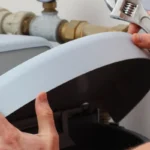
For those using private wells or home filtration systems, regular maintenance is crucial. This includes periodic water testing and timely replacement of filters to ensure optimal functionality. Regular maintenance not only ensures the effectiveness of your filtration system but also extends its lifespan, providing long-term benefits and cost savings.
Water quality can change over time due to environmental factors or changes in local infrastructure, making regular testing an essential part of maintaining water safety. By staying proactive and addressing issues as they arise, consumers can ensure that their drinking water remains safe and healthful. Engaging with certified professionals for routine inspections can provide additional assurance and peace of mind.
Staying Informed
Being informed about local water quality reports and advisories is vital. These reports can provide insights into potential water quality issues and offer guidance on necessary precautions. Staying informed empowers consumers to make educated decisions about their water consumption and any additional treatments they may require.
Local health departments and water utilities often provide updates and resources to help residents understand their water quality and any potential risks. By participating in community meetings or subscribing to updates, consumers can stay engaged with ongoing water safety efforts. This knowledge not only helps protect individual households but also supports broader community efforts to maintain high water quality standards.
Challenges
Emerging Contaminants
The ever-evolving nature of industrial and agricultural activities introduces new contaminants into the water supply. Emerging contaminants such as microplastics and endocrine disruptors present new challenges for water treatment facilities, necessitating ongoing research and technological advancement. Understanding the sources and pathways of these contaminants is critical for developing effective treatment strategies.
Addressing these challenges requires a multi-faceted approach, including improved source water protection, advanced treatment technologies, and enhanced regulatory frameworks. Collaboration between scientists, policymakers, and industry is essential to identify and mitigate these emerging risks. Continued investment in research and innovation will be crucial to adapt to these evolving threats and ensure long-term water safety.
Technological Innovations
Innovations in water treatment technology hold promise for enhancing water safety. Techniques such as advanced oxidation processes, membrane filtration, and nanotechnology are at the forefront of addressing complex contaminants and improving treatment efficiency. These technologies offer new possibilities for removing contaminants that are difficult to treat with conventional methods.
Advancements in real-time monitoring and data analytics are also transforming the way treatment plants operate, allowing for more precise control and quicker response to water quality changes. By integrating these cutting-edge technologies, water treatment facilities can improve their resilience and adaptability in the face of new challenges. Embracing innovation is key to ensuring that water treatment processes remain effective and sustainable in the future.
Public Education and Engagement
Public education and engagement are crucial in addressing water safety concerns. Empowering consumers with knowledge about water treatment processes and safety measures fosters trust and encourages proactive participation in water conservation and protection efforts. Education campaigns can demystify complex treatment processes and highlight the role of individuals in maintaining water quality.
Engaging with communities through workshops, public forums, and educational materials can help build a shared understanding of water safety issues and promote collaborative problem-solving. By fostering an informed and engaged public, we can create a culture of stewardship that supports the sustainable management of our vital water resources. Public education initiatives can also drive policy changes and investment in water infrastructure, reinforcing the collective commitment to water safety.
Conclusion
In conclusion, treated water from a treatment plant is generally safe to drink, provided it meets the established regulatory standards and undergoes rigorous testing and monitoring. The collaborative efforts of regulatory bodies, treatment facilities, and informed consumers are essential in safeguarding our water supply. By maintaining high standards and embracing innovation, we can ensure that treated water remains a reliable source of safe drinking water.
By understanding the intricacies of water treatment processes and adopting prudent water safety practices, we can ensure that our drinking water remains a reliable and healthful resource. As we look to the future, continued innovation and public engagement will be pivotal in addressing emerging challenges and sustaining water safety for generations to come. The commitment to safe drinking water is a shared responsibility, requiring ongoing vigilance, adaptation, and collaboration to protect this critical resource for all.
Share this on social media:
Facebook
Twitter
LinkedIn