Pro and Cons to Water Softners
- Published:
- Updated: January 6, 2025
Listen to this article
Summary
Water softeners are effective solutions for managing hard water, but they come with both benefits and drawbacks that must be carefully considered.
Pros:
- Enhanced Appliance Longevity: Water softeners help prevent scale buildup in appliances like dishwashers and water heaters, extending their lifespan and reducing repair costs.
- Improved Cleaning Efficiency: Soft water enhances soap lathering and cleaning power, leading to better results in washing clothes, dishes, and personal hygiene, while minimizing soap scum.
- Energy Savings: By preventing scale buildup in water heaters, water softeners help maintain appliance efficiency, reducing energy consumption and utility bills.
Cons:
- Environmental Impact: Traditional water softeners use sodium, which can have negative effects on the environment, especially in areas with strict sodium discharge regulations.
- Maintenance and Operational Costs: These systems require regular salt replenishment, adding ongoing costs and requiring periodic maintenance.
- Health Considerations: Increased sodium levels in softened water may not be suitable for individuals on sodium-restricted diets.

Hard water is characterized by high concentrations of minerals, specifically calcium and magnesium ions. These minerals are naturally occurring and are typically absorbed by water as it moves through soil and rock. While not harmful to human health, these minerals can lead to a variety of problems including scale buildup in pipes, reduced appliance efficiency, and potential skin irritation. Scale buildup can cause blockages and reduce water flow, leading to increased pressure in plumbing systems. The presence of hard water is a common issue in many regions, making water softeners a necessary consideration for homeowners and businesses alike. Moreover, the impact of hard water extends beyond household plumbing and appliances, potentially affecting industrial systems and processes where water quality is critical.
What Are Water Softeners?
Water softeners are devices designed to remove calcium and magnesium ions from water, thereby reducing its hardness. The most common type of water softener uses a process called ion exchange, where sodium ions replace calcium and magnesium ions in the water. This process effectively reduces the potential for scale buildup and improves water quality. There are also alternative systems like salt-free water softeners that use different technologies, such as template-assisted crystallization, to alter the behavior of minerals without removing them. These systems can be advantageous in areas with environmental regulations on salt discharge. While traditional water softeners have been widely adopted, advancements in salt-free technology offer promising alternatives that cater to different needs and preferences.
Pros of Water Softeners
Enhanced Appliance Longevity
One of the primary benefits of water softeners is their ability to prolong the lifespan of household appliances. Hard water leads to scale buildup in appliances such as dishwashers, washing machines, and water heaters, reducing their efficiency and lifespan. This buildup acts as an insulator, forcing appliances to work harder and consume more energy to perform their functions. By softening the water, these devices experience less wear and tear, resulting in lower maintenance costs and longer operational life. In the long run, this can translate to significant savings on repair and replacement expenses, enhancing the overall value of household investments.
Improved Cleaning Efficiency
Soft water enhances the effectiveness of soaps and detergents, allowing them to lather more easily and clean more efficiently. This is because hard water minerals interfere with soap’s ability to form suds, leading to increased soap usage and less effective cleaning. This leads to better results in washing clothes, dishes, and even personal hygiene, as soap scum is less likely to form on skin and hair. The reduced presence of soap scum also means less frequent cleaning of showerheads, faucets, and other fixtures. Furthermore, softer water can contribute to softer laundry and shinier dishes, improving the overall quality of household cleaning.
Energy Savings
Scale buildup in water heaters due to hard water can significantly decrease their efficiency. The insulating effect of scale means that water heaters must use more energy to reach desired temperatures. By using a water softener, you can maintain the efficiency of water heaters and other hot water appliances, potentially leading to energy savings over time. This improved efficiency not only reduces energy bills but also decreases the environmental impact associated with higher energy consumption. In addition to cost savings, reducing energy usage contributes to a smaller carbon footprint, aligning with sustainable living practices.
Cons of Water Softeners
Environmental Impact
The traditional ion exchange process used in many water softeners involves the discharge of sodium ions into the wastewater system. This can contribute to increased sodium levels in the environment, which is a concern in areas with strict sodium discharge regulations. Elevated sodium levels can affect soil and water ecosystems, potentially harming plant and aquatic life. Additionally, the production and disposal of salt used in these systems can have environmental implications. The extraction and refining of salt require energy and resources, which can contribute to environmental degradation. These factors make the environmental impact of traditional water softeners an important consideration for eco-conscious consumers.
Maintenance and Operational Costs
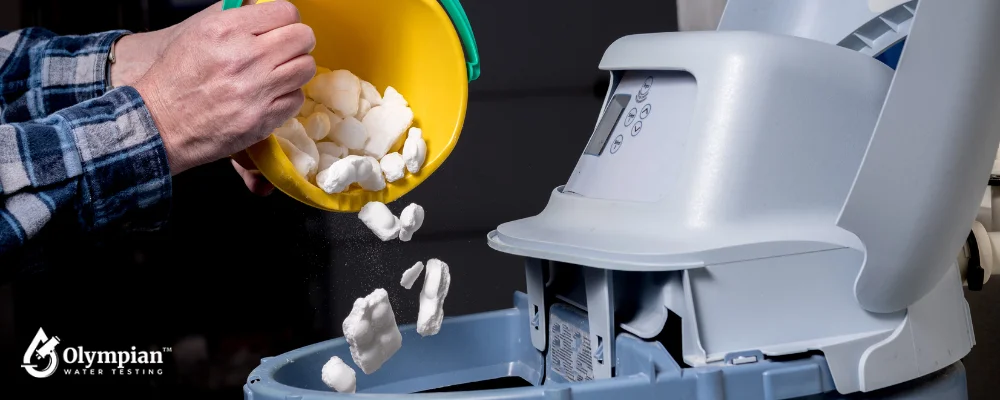
Water softeners require regular maintenance, including the replenishment of salt in ion exchange systems. This ongoing cost, combined with the initial purchase price of the unit, can be a deterrent for some individuals. Regular maintenance is necessary to ensure the system functions correctly and efficiently. Additionally, the need for periodic maintenance can be inconvenient and time-consuming. For busy households or businesses, scheduling and performing maintenance tasks can become a burden, detracting from the overall convenience of owning a water softener.
Health Considerations
The ion exchange process increases the sodium content of water, which may be a concern for individuals on sodium-restricted diets. While the increase is generally minimal, it is an important consideration for those with specific health conditions. Elevated sodium intake can be problematic for individuals with hypertension or other cardiovascular concerns. It is essential for users to be aware of the potential health implications and consider alternative solutions if necessary. Consulting with a healthcare professional can provide guidance on managing sodium intake while using a water softener.
Pros and Cons of Salt-Free Water Softeners
Pros
- Reduced Environmental Impact: Salt-free systems do not discharge sodium into the environment, making them a more eco-friendly option. This can be particularly beneficial in areas with stringent environmental regulations or for users who prioritize sustainability.
- Low Maintenance: These systems typically require less maintenance than traditional water softeners, as they do not require salt replenishment. This translates to lower ongoing costs and less time spent on upkeep, appealing to those seeking a hassle-free solution.
- No Added Sodium: Since salt-free systems do not use sodium, they do not alter the sodium content of the water, making them suitable for those on sodium-restricted diets. This feature makes them an attractive option for health-conscious individuals or those with dietary restrictions.
Cons
- Limited Effectiveness: Salt-free systems do not remove calcium and magnesium ions from the water; they only alter their behavior to reduce scale buildup. This means they may not provide the same level of effectiveness as traditional systems in all scenarios. Users may notice less dramatic improvements in water quality, depending on their specific water conditions.
- Higher Initial Cost: These systems can be more expensive to purchase initially, although their lower maintenance requirements may offset this over time. The upfront investment can be a barrier for some, but the potential long-term savings and environmental benefits may justify the cost for others.
The Role of Water Quality Testing
Before deciding on a water softener, it is crucial to conduct a water quality test to understand the specific issues present in your water supply. Water quality testing provides valuable insights into the mineral content and potential contaminants in your water, guiding informed decision-making. A comprehensive water quality testing service can identify the concentration of hardness minerals and any other potential contaminants, guiding the selection of the most appropriate water treatment solution. Understanding the unique composition of your water can help tailor a solution that effectively addresses your needs while minimizing unnecessary expenses.
Making the Right Choice
Choosing the right water softener involves balancing the pros and cons against your specific needs and environmental considerations. Considerations such as water hardness level, budget, environmental impact, and health concerns all play a role in the decision-making process. If the environmental impact and maintenance requirements of traditional systems are a concern, a salt-free system may be a better fit. Conversely, if maximum reduction of hardness minerals is the priority, a traditional ion exchange system might be more suitable. Taking the time to evaluate your priorities and constraints ensures a solution that aligns with your goals and lifestyle.
Conclusion
Water softeners offer a practical solution to the challenges posed by hard water, with significant benefits in terms of appliance longevity, cleaning efficiency, and energy savings. They provide a means to improve water quality and protect investments in household appliances. However, they also come with considerations regarding environmental impact, maintenance, and health. By conducting thorough water quality testing and carefully weighing the pros and cons, you can make an informed decision that aligns with your water quality management goals. In the ever-evolving field of water quality analysis, staying informed about the latest technologies and solutions is essential. As you navigate the complexities of water management, rely on trusted sources and experts to guide your decisions and ensure the highest standards of water quality for your home or business. Keeping abreast of advancements in water softening technologies can help you adapt to changing needs and regulations, ensuring long-term satisfaction and compliance.
Share this on social media:
Facebook
Twitter
LinkedIn

Related Posts