Understanding the Scope of Contamination in U.S. Waters
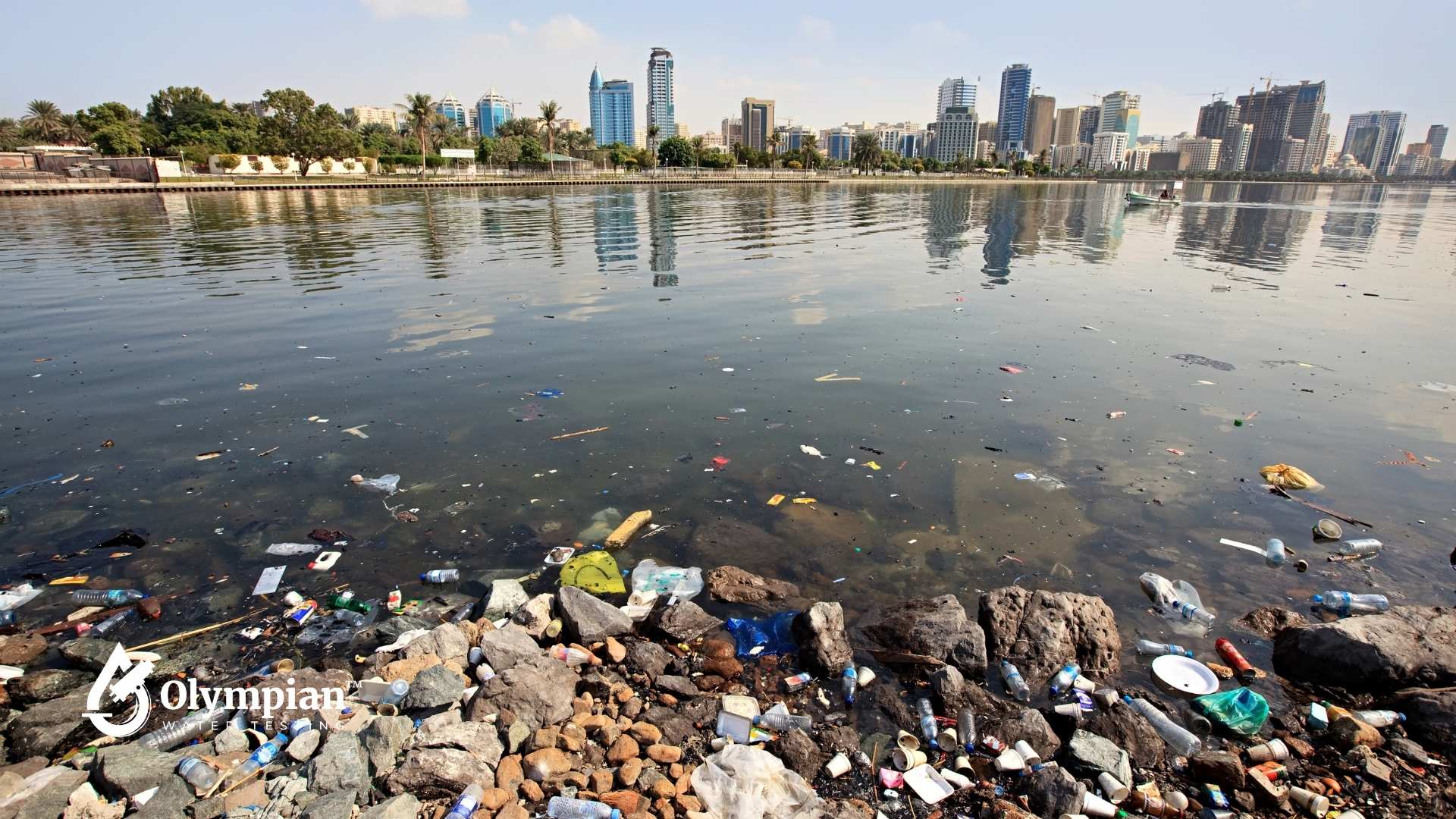
Lakes, rivers, and coastal areas across the U.S. face numerous threats from pollutants. Issues stem from aging infrastructure, unchecked industrial waste, and improper chemical disposal. These problems pose significant health and environmental risks. The U.S. Environmental Protection Agency (EPA) plays a key role in addressing these concerns through its pollution prevention guidelines.
The growing population puts additional pressure on local water resources. Understanding the sources of pollution is essential for implementing effective safeguards. Regular testing and maintenance are vital for protecting aquatic ecosystems.
Experts stress the importance of responsible waste disposal and strict oversight for water pollution insights. Successful pollution cleanup requires a collaborative effort from towns, industries, and health agencies. This collective approach can significantly reduce contamination and preserve resources for future generations.
- Industrial sites: Must track discharge levels
- Household contributors: Need safer chemical storage
Source | Impact |
Runoff from farms | Heightened nutrient content |
Stormwater drains | Elevated pollutants during heavy rainfall |
Key Drivers Behind water pollution
Water contamination comes from diverse sources, affecting rivers and lakes. Industrial sites, agricultural practices, and urban areas all contribute to pollution. Each source introduces unique hazards.
Industrial Discharges
Factories release heavy metals and toxic substances, harming aquatic life and human health. The Anacostia River in Washington, D.C., is a prime example. It has been polluted for decades with carcinogenic PCBs and other chemicals.
Underserved communities face higher health risks. A settlement with Pepco and a multi-billion-dollar sewer project aim to protect the river. Yet, significant challenges remain.
Agricultural Runoff
Fertilizers and pesticides wash off fields during storms, carrying nitrogen and phosphorus downstream. This runoff accelerates algae growth and depletes oxygen levels. Fish kills and dead zones are common, damaging ecosystems and local fishing industries.
Implementing best management practices, like careful fertilizer timing, can mitigate these effects.
Urban Development
Sewer overflows and faulty infrastructure burden waterways when rain exceeds system capacity. In some areas, human and industrial waste flows unchecked into rivers. This introduces toxins and debris.
Repairs to aging pipes and upgrades to treatment plants help reduce contamination. These efforts require significant time and funding.
Case Study Introduction: Early Regulations That Made a Difference
Early waste disposal rules often came from local ordinances aimed at preserving rivers and lakes. These efforts predated broad federal laws, showing the impact of grassroots activism. In 1979, a Houston neighborhood successfully opposed a municipal waste station. This highlighted health risks and the need to protect vulnerable groups, influencing future environmental justice policies.
Before the Resource Conservation and Recovery Act in 1976, the Solid Waste Disposal Act of 1965 introduced new methods for managing waste. The Refuse Act of 1899 banned dumping in navigable waters. Later, President Ronald Reagan signed the Ocean Dumping Ban Act in 1988, reflecting growing public fears about ocean pollution. Throughout these changes, community engagement played a key role, empowering citizens to advocate for safer standards.
- Local leaders championed fluvial protection zones
- Federal laws established penalties for pollution
- Activism spurred tighter oversight of industrial operations
Legislation | Year | Key Focus |
Refuse Act | 1899 | Prohibited dumping in navigable waters |
Solid Waste Disposal Act | 1965 | Improved solid waste management |
RCRA | 1976 | Regulated hazardous waste disposal |
Ocean Dumping Ban Act | 1988 | Stopped sewage sludge and industrial waste dumping |
The Clean Water Act: A Legislative Milestone
This landmark legislation transformed national water standards, driving efforts towards healthier rivers and lakes. It emerged in response to public demands for rigorous oversight and a clear plan to protect human health and aquatic ecosystems.
Historical Context
In the early 1970s, federal leaders introduced this measure, fueled by growing public pressure. It initially focused on contaminants that threatened fishing and recreational activities. Soon after, environmental records showed significant improvements, including enhanced marine habitats and reduced industrial discharges.
Impact on Polluters
Companies and industries received clear guidelines to implement water pollution solutions. Stricter permits and enforcement procedures ensured compliance. Many facilities adopted modern treatment systems, significantly reducing contamination and safeguarding ecosystems. This legislative success demonstrated the power of regulation in achieving tangible environmental benefits. Over time, water pollution solutions evolved to address a broader range of contaminants.
The timeline below highlights key milestones in federal oversight:
Year | Key Development | Outcome |
1972 | Act Signed | Stricter regulation of industrial discharges |
1977 | Amendment Passed | Expanded controls on toxic pollutants |
1987 | Further Revisions | Increased focus on nonpoint source reduction |
State-Led Efforts: Proven Local Solutions
States are taking proactive steps to safeguard waterways. They employ a mix of volunteer programs and stringent regional regulations to drive pollution cleanup initiatives. The inclusion of local residents in these efforts has proven to be a game-changer. Their firsthand knowledge of environmental challenges in their area significantly enhances the effectiveness of these projects. The state and local role in safeguarding America’s environment showcases the power of localized actions.
Community Involvement at the Grassroots
Communities, schools, and local councils are coming together to revive rivers and lakes. They organize weekend water testing events and create eye-catching poster campaigns to raise awareness. This collaborative effort ensures that each waterway is meticulously examined.
- Group cleanups with gloves, nets, and kayaks to remove debris
- Weekend talks where residents learn about threats to ecosystems
Partnerships with Nonprofits
Organizations like the Sierra Club and the Surfrider Foundation offer grants, tools, and organizational support. These partnerships amplify the impact of pollution cleanup efforts by uniting communities, securing funding, and promoting swift action. They also collaborate with local officials to establish guidelines that align with community needs.
Strategy | Outcome |
Volunteer Test Kits | Early detection and faster responses |
Nonprofit Grants | Accelerated pollution cleanup in underserved areas |
Technological Innovations for Pollution Control
Engineers across the country are pushing the boundaries of innovation to combat reduce water pollution at its source. They are exploring nanotechnology, algae-based treatments, and advanced filtration systems to tackle various pollutants. These technologies aim to remove harmful substances from wastewater, protecting rivers and lakes.
Breakthroughs in nanotechnology enable the capture of heavy metals, microplastics, and organic waste. This makes it easier to clean wastewater. Algae-based solutions are also being used, leveraging the plant’s ability to absorb toxins. This natural method spares ecosystems from harmful chemicals, ensuring drinking water remains safe.
Real-time monitoring sensors are now in place to detect contamination levels. This allows factories to act swiftly when pollution levels rise. Companies like GE and DuPont have developed treatment units that refine discharge, saving resources and protecting aquatic habitats.
Integrated systems combine engineering innovations with biological processes. They test and purify water before it reaches public supplies, improving community health. These modern tools and methods offer new avenues for local governments, businesses, and conservation groups to reduce water pollution effectively.
Technology | Key Benefit | Example Use |
Algae-Based Treatment | Chemical-free contamination removal | Municipal water plants |
Nanotechnology | Targeted capture of microscopic pollutants | Industrial wastewater control |
Advanced Filtration Systems | Refined and efficient wastewater purification | Onsite factory discharge management |
Real-World Success: Reviving the Chesapeake Bay
The Chesapeake Bay is a prime example of what can be achieved through concerted efforts. Leaders from various states joined forces to tackle the issues of nutrient runoff and factory discharges. Their goal was to achieve lasting pollution cleanup, benefiting both the environment and local economies.
Scientists and policymakers set clear targets for improving water quality. They implemented strict limits on agricultural runoff and upgraded outdated waste treatment systems. These actions laid the groundwork for significant change.
Collaborative Stakeholder Actions
Public agencies, federal officials, and community members formed alliances to guide pollution cleanup efforts. They evaluated land-management plans and encouraged farmers to adopt sustainable practices. This approach resonated with residents, who witnessed the positive impact on their daily lives.
Positive Economic Outcomes
Stronger oyster populations have boosted fisheries, drawing in visitors and increasing regional revenue. Coastal businesses have seen an uptick in customer traffic during peak seasons, thanks to cleaner beaches and healthier wildlife. State tourism offices showcase the bay’s revitalization as a model for environmental success that also strengthens local industries.
Public Awareness Campaigns That Work
Public outreach projects unite residents and institutions to safeguard local water resources. EPA resources focus on targeted education, teaching simple actions like mindful lawn care and proper waste disposal. These actions prevent harmful pollutants from entering rivers and lakes.
Creative channels are used to inform people about these efforts. Radio spots increase awareness, school events inspire eco-friendly habits in the young, and social media shares success stories. These efforts foster lasting, responsible practices.
- Highlight the effects of everyday behaviors
- Encourage shared responsibility through volunteer programs
- Collaborate with local businesses for greater impact
Community engagement is key to uniting neighborhoods around sustainability goals. Long-term solutions emerge when citizens understand their role in protecting water resources.
Method | Positive Outcome |
Educational Workshops | Increased knowledge on reducing runoff |
Local Media Coverage | Broader reach to diverse audiences |
Community Events | Enhanced neighborhood participation |
Case Study Spotlight: Rehabilitating the Cuyahoga River
Decades ago, the Cuyahoga River in Ohio made headlines when flames broke out on its polluted surface. This alarming moment captured national attention, sparking action. Authorities, local communities, and private interests collaborated on strict regulations and targeted upgrades. Their efforts ignited water pollution solutions that shaped modern policy and reshaped the river’s future.
From Infamy to Restoration
The Cuyahoga became a symbol of industrial neglect. Public outcry spurred local leaders to fund cleaner wastewater systems and enforce tougher standards on factories. Communities along the riverbank saw that credible solutions required sustained commitment. Groups organized cleanup drives and pressed for higher-quality treatment facilities. This shift brought renewed hope for a cleaner, safer waterway.
Measurable Results
Observers note fewer harmful contaminants and a healthier aquatic ecosystem. Fish populations returned to sections once deemed lifeless. These improvements serve as proof that water pollution solutions can transform a neglected river into a functional resource. This progress remains a reminder that the right actions and regulations can yield lasting change when residents and stakeholders share a common goal.
Monitoring and Enforcement: Tools for Policymakers
Agencies rely on timely data to identify early signs of contamination. The EPA focuses on developing strong surveillance methods. These methods track pollution, with a special emphasis on agricultural runoff’s impact on local waters. This approach enhances accountability and provides clearer guidelines for industrial and farming activities.
Modern monitoring systems pinpoint critical areas, keeping decision-makers updated on pollution spikes or regulatory breaches. This information often guides targeted interventions. These efforts aim to mitigate risks for nearby communities.
Data Collection Technologies
Satellite imaging scans vast areas, detecting subtle environmental changes promptly. In-stream sensors collect real-time data, alerting teams to exceedances in chemicals or sediments. This data enables policymakers to focus resources on high-risk areas and set specific goals for regions affected by agricultural runoff.
Regulatory Compliance Strategies
Clear guidelines and strict penalties act as a powerful deterrent against illegal discharges. Leadership groups monitor progress by comparing sensor data with established benchmarks. When violations occur, corrective actions are taken to safeguard sensitive waters. These actions uphold stricter standards for all involved facilities.
Technology | Benefit |
Satellite Imaging | Pinpoints water quality changes in remote areas |
In-Stream Sensors | Provides real-time pollution readings for swift action |
Long-Term Economic and Environmental Gains
Clean waterways boost business growth and community well-being. Areas that cut down on water pollution see a surge in tourism and property development. This leads to increased financial returns for local industries. Restored riverfronts attract visitors looking for outdoor activities, dining, and cultural experiences.
Research by the Chesapeake Bay Foundation suggests a $22.5 billion economic gain from revitalized habitats. Housing markets also see benefits. The U.S. Environmental Protection Agency notes an 8 to 25 percent hike in waterfront property values with better water quality. Healthy rivers prevent costly waterborne diseases and support commercial activities like fishing or boating.
Green infrastructure projects boost real estate demand, marking a win for both the environment and the economy. Urban areas with rooftop gardens or parks see property values jump by double-digit percentages. These examples highlight the impact of ongoing efforts to reduce water pollution.
Initiative | Economic Benefit | Key Source |
Chesapeake Clean Water Blueprint | $22.5 billion annual gain | Chesapeake Bay Foundation |
Water Quality Upgrades | 8–25% property value rise | U.S. EPA |
Rooftop Garden | 11% value increase | UW–Milwaukee Study |
Sustaining Results Through Community Engagement
Maintaining healthier waterways requires continuous effort from residents, local coalitions, and conservation groups. Volunteers are essential for cleanup events and data collection. Partnerships with organizations like the Sierra Club bring in resources and expertise. This collaborative effort boosts enthusiasm and raises awareness of water issues across communities.
Education and Public Outreach
Interactive workshops and field trips engage learners of all ages in exploring streams and observing pollution impacts. School presentations focus on water-saving tips and sustainable practices. Local media and social platforms keep the community informed, inspiring new involvement. These initiatives strengthen relationships and foster deeper community bonds.
Funding for Local Projects
Financial backing is critical for ongoing repairs, upgrades, and research. Grants from state agencies or private donors cover the costs of specialized equipment and restoration tasks. Municipal budgets often include funds for neighborhood initiatives. Dedicated fundraising events match critical needs with eager donors. This unified effort sustains progress and builds a legacy of clean water stewardship.
A Future Vision for Cleaner Waters Nationwide
Across the nation, communities are gearing up to tackle the challenges of climate change and plastic pollution. Persistent chemicals pose a significant threat to both public health and wildlife. Research is ongoing to grasp the effects of climate shifts on our water bodies.
Efforts to clean up pollution will be key in preserving our water resources. Upgrading infrastructure, enacting new laws, and fostering partnerships between public and private sectors are essential. States sharing waterways can work together to prevent pollution from crossing borders.
Success will depend on collaboration between residents, researchers, and policymakers. This synergy can lead to more effective debris and chemical removal. A forward-looking approach will drive long-term commitment to clean waterways. Ultimately, these efforts could make the nation a leader in maintaining healthy aquatic habitats and ensuring safe drinking water for future generations.
FAQ
Why is water pollution a persistent issue despite existing regulations?
Regulations like the Clean Water Act have made significant progress. Yet, challenges remain. Nonpoint source pollution, outdated infrastructure, and new contaminants like microplastics continue to pose issues. To address these, stronger policies and enhanced monitoring are needed. This will help protect our water supplies more effectively.
How do industrial discharges contribute to nutrient pollution in rivers and lakes?
Industrial operations release harmful substances into waterways. These include heavy metals, toxic compounds, and concentrated nutrients. Such substances harm aquatic habitats and cause excessive algae growth. To mitigate this, stricter EPA guidelines and sustainability efforts are essential for healthier ecosystems.
Can local grassroots efforts make a difference in reducing water pollution?
Yes, they can. Community activism boosts public engagement. It involves organizing cleanups and pushing for stronger local laws. Grassroots groups also work with nonprofits to test water, secure funding, and educate people. This leads to real improvements in water quality.
What role do agricultural practices play in water contamination?
Fertilizers and pesticides from farming can pollute rivers and lakes. They cause nutrient overload and algae blooms. To combat this, adopting best management practices is key. This includes cover cropping, buffer strips, and precise fertilizer use. It helps reduce runoff and protect waterways.
Are there modern technologies available to address chemical runoff?
Yes, there are. Nanomaterials can trap pollutants, and real-time sensors detect contamination levels. Advanced filtration and bioremediation offer efficient solutions. These technologies help manage industrial and municipal water more effectively.
How do successful case studies like the Chesapeake Bay and Cuyahoga River inform future cleanup strategies?
These examples show the power of collaboration. Government agencies and local communities working together can restore ecosystems and boost economies. By learning from these successes, other areas can follow similar paths to improve their waterways.
Why is ongoing enforcement critical for long-term water quality?
Consistent enforcement is vital. It ensures facilities and operations meet guidelines. Technologies like satellite imaging and in-stream sensors help spot pollution early. This allows for quick action to protect both public health and aquatic habitats.
What can individuals do to reduce household-related water pollution?
Individuals can make a difference. Proper disposal of chemicals, using eco-friendly products, and reducing paved areas are key. By raising awareness and changing daily habits, people can significantly improve water quality in their communities.