Utah’s Water Quality Standards
Utah adheres to strict tap water regulations to guarantee the safety and purity of its drinking water. Public water systems in the state must follow the Environmental Protection Agency (EPA) and Utah Division of Drinking Water’s guidelines. These standards address a wide range of contaminants, including chemicals and bacteria, to safeguard public health.
The EPA drinking water standards establish maximum allowable levels for over 100 contaminants. For instance, the maximum contaminant level (MCL) for lead is 15 ug/L, and for copper, it’s 1300 ug/L. Utah’s water treatment facilities consistently meet these standards. Recent tests have shown lead and copper averages well below the MCLs at 0.001 ug/L and 0.12 ug/L, respectively.
Environmental Protection Agency (EPA) Guidelines
The EPA sets national standards for drinking water quality, which form the basis for utah tap water regulations. These guidelines encompass a wide range of contaminants, including microorganisms, disinfectants, and chemicals. Some notable EPA standards include:
- Maximum contaminant level for arsenic: 10 ug/L
- Maximum contaminant level for nitrate: 10 mg/L
- Maximum contaminant level for total coliform: 0 (none allowed)
- Maximum contaminant level for fluoride: 4.0 mg/L
Utah Division of Drinking Water Regulations
The Utah Division of Drinking Water collaborates with the EPA to enforce utah water treatment standards. The division oversees public water systems, conducting regular inspections and assigning ratings. Some key Utah-specific regulations include:
Contaminant | Maximum Allowable Level |
Total dissolved solids (TDS) | 1200 mg/L |
Gross alpha radioactivity | 15 pCi/L |
Combined radium 226 and 228 | 5 pCi/L |
Uranium | 30 pCi/L |
Utah also has specific TDS standards for certain water bodies, such as Blue Creek and its tributaries, Kanab Creek, and the Sevier River. These standards account for unique regional characteristics and maintain the integrity of these vital water sources.
Water Quality Testing in Utah
In Utah, public water systems must regularly test their water to ensure it’s safe for drinking. The testing frequency depends on the system’s size, with larger ones tested more often. These tests check for contaminants as outlined by the Environmental Protection Agency (EPA).
Given Utah’s hard water, testing is critical. Homes here face issues like less efficient appliances and more soap use. Hard water can also harm health, causing stomach problems and skin issues.
Regular Testing by Public Water Systems
Utah’s public water systems test their water frequently to meet state and federal standards. For instance, the Salt Lake City Department of Public Utilities (SLCDPU) checks for over 90 contaminants each year. They’ve been monitoring PFAS, harmful substances, in their water supply starting in 2013.
SLCDPU’s recent tests found low PFAS levels in two wells, leading to their temporary removal from use. Most of SLCDPU’s water comes from surface sources, which are PFAS-free. The EPA is setting limits for PFAS and funding treatments to address this issue.
Consumer Confidence Reports
Utah water systems must give their users a Consumer Confidence Report (CCR) every year. This report shares the results of water quality tests and gives an overview of the system. It’s a key tool for keeping the public informed about their drinking water.
By looking at the CCR, Utah residents can understand their local water supply better. The report lists contaminants found, their levels, and how they compare to EPA standards. It also details the water source, treatment methods, and any system issues.
Contaminant | EPA Limit (mg/L) | SLCDPU Average (mg/L) |
Chlorine | 4.0 | 0.6 |
Fluoride | 4.0 | 0.7 |
Nitrate | 10 | 0.4 |
Sample data from the Salt Lake City Department of Public Utilities Consumer Confidence Report, showing contaminant levels well below EPA limits.
Sources of Utah’s Drinking Water
Utah’s drinking water comes from both surface water and groundwater, ensuring a steady supply for its residents. The pristine Wasatch Mountains are key in providing high-quality drinking water, mainly to those in the Salt Lake Valley.
Surface Water from the Wasatch Mountains

The majestic Wasatch Mountains are a vital source of drinking water for Utah, mainly for the Salt Lake Valley’s residents. The mineral-rich water from these mountains quenches the thirst of many and protects the water infrastructure. As it flows through pipes, it forms a protective crust. This crust prevents contaminants from entering the supply, keeping the water safe and clean.

Groundwater from Wells and Springs
Utah also relies on groundwater from wells and springs for drinking water. While most Utahns get their water from public systems, some in rural areas depend on private wells or springs. It’s critical to note that these private sources aren’t regulated by the Utah Division of Drinking Water. Owners must ensure their water’s safety.
Water Source | Percentage of Utah’s Population Served |
Public Water Systems | 85% |
Private Wells and Springs | 15% |
Whether from the Wasatch Mountains or groundwater, Utah’s drinking water is thoroughly tested. Public water systems must monitor over 100 contaminants regularly. This ensures the water delivered to Utah’s residents is safe and healthy.
Lead Pipes and Drinking Water Safety
In Salt Lake City, the main water lines are lead-free. Yet, older buildings before 1986 might have lead service lines. These can increase lead levels in Utah tap water, posing a risk. The city is replacing these lines to ensure safe drinking water for everyone.

The Environmental Protection Agency (EPA) has set a lead action level at 15 parts per billion (ppb), with a goal of zero. If 10% of taps sampled show levels above this, systems must take action. Low levels of lead can harm children’s health, affecting their IQ, attention, and behavior.
Contaminant | Action Level | MCLG |
Lead | 15 ppb | 0 ppb |
Copper | 1.3 ppm | 1.3 ppm |
To lower lead levels, the EPA suggests flushing pipes before use, and running cold water. This improves water quality. Avoid using hot water for cooking or making baby formula, as lead dissolves more in hot water.
Salt Lake City’s lead service line replacement is a proactive step for safe drinking water. By replacing these pipes, the city aims to reduce lead exposure and protect health. Regular water quality testing and annual Consumer Confidence Reports keep residents informed.
This text discusses lead pipes and drinking water safety in Utah, focusing on Salt Lake City’s efforts. It includes keywords like "lead levels utah tap water" and "lead service line replacement." The content is structured with HTML tags, including a table for lead and copper action levels and MCLGs. It also offers EPA recommendations and the city’s commitment to water quality testing and reporting.
Salt Lake City Public Utilities’ Efforts to Ensure Safe Drinking Water
Salt Lake City Public Utilities (SLCDPU) is committed to delivering safe, high-quality drinking water to its over 365,000 customers. The department’s dedication to water safety is clear through its rigorous testing, proactive infrastructure upgrades, and adherence to federal and state regulations.
SLCDPU operates three surface water treatment plants, employing a multi-step treatment process to ensure water quality. The City Creek Water Treatment Plant (CCWTP) is currently undergoing upgrades, funded by a $36.7 million FEMA grant. This shows the department’s commitment to maintaining and improving its water treatment infrastructure.
Replacing Lead Service Lines
SLCDPU is actively replacing all lead service lines within its service area to ensure safe drinking water. The department encourages residents to help locate and test their service lines. By replacing these lines, SLCDPU aims to minimize the risk of lead exposure through drinking water.
Testing for Over 90 Contaminants
SLCDPU conducts extensive testing on its water supply, monitoring for over 90 contaminants according to EPA standards. The department’s water quality report shows that all tested contaminants are below the EPA’s Maximum Contaminant Levels (MCL). Some notable results include:
Contaminant | Level Found | EPA MCL |
Arsenic | 1.3 ppb | 10 ppb |
Barium | 50.5 ppb | 2000 ppb |
Chromium | 0.4 ppb | 100 ppb |
Nitrate | 0.67 ppm | 10 ppm |
Total Trihalomethanes (TTHMs) | 35.24 ppb (average) | 80 ppb |
Haloacetic Acids (HAA5s) | 40.55 ppb (average) | 60 ppb |
SLCDPU also tests for microorganisms like Total Coliform and E. coli. The department’s water consistently meets or exceeds EPA standards for these contaminants. This ensures a safe and reliable water supply for Salt Lake City residents.
tap water quality Utah
Ensuring the safety and quality of drinking water is a top priority for Utah residents. Utah State University Extension Services has developed the Water Quality Interpretation Tool. This tool allows users to input their water quality data. It then provides insights on how it compares to state standards for drinking water, irrigation, livestock, and environmental water.
The Water Quality Interpretation Tool by USU Extension Services offers a detailed analysis of various water quality parameters. These include:
- pH levels
- Total dissolved solids (TDS)
- Hardness
- Nitrates
- Chlorides
- Sulfates
- Heavy metals (such as lead, copper, and arsenic)
Utah residents can use this tool to understand their water quality better. They can then make informed decisions about treatment options or further testing requirements.
Utah-Certified Labs for Water Testing
Utah has a network of certified laboratories for professional water testing services. These labs follow strict protocols and quality control measures. They ensure reliable results for a wide range of substances. Some of the tests offered include:
Test | Purpose | Approximate Cost |
Bacteriological | Detect presence of coliform bacteria and E. coli | $20 – $50 |
Nitrates | Assess levels of nitrates, which can pose health risks | $20 – $40 |
Metals | Measure concentrations of lead, copper, arsenic, etc. | $50 – $150 |
Hardness | Determine the presence of calcium and magnesium | $20 – $40 |
Fees for water testing services vary based on the type and number of tests. In Weber and Morgan Counties, for example, a Private Well/Spring Water testing costs $230. A Private Well/Spring Permit costs $800.
By using the water quality interpretation tool usu and the expertise of utah certified water testing labs, residents can ensure the safety and quality of their drinking water.
Addressing Taste, Smell, and Appearance Concerns
Tap water in Utah meets safety standards, yet it may sometimes have unusual tastes, smells, or appearances. These issues can stem from older plumbing or changes in the water source. Though these concerns don’t usually pose health risks, they can be unpleasant and raise questions about water quality.
The Environmental Protection Agency (EPA) offers a guide to identify the cause of taste, smell, and appearance problems in drinking water. Common culprits include:
- Chlorine or chloramine used for disinfection
- Minerals like iron and manganese
- Algae blooms in surface water sources
- Plumbing materials such as copper or plastic pipes
If you’re concerned about the taste, smell, or appearance of your tap water in Utah, there are steps you can take. First, try running the cold water for a few minutes to see if the issue clears up. If it persists, consider contacting your local water system for assistance. They can help identify the cause and recommend solutions, such as flushing the lines or adjusting treatment methods.
"While aesthetic issues with drinking water can be concerning, it’s important to remember that Utah’s tap water is regularly tested and meets rigorous safety standards. Yet, we understand that taste, smell, and appearance are important to consumers, and we work diligently to address these concerns."
In some cases, installing a point-of-use water filter can help improve the taste, smell, and appearance of tap water. Various filters are available, from simple pitcher filters to advanced reverse osmosis systems. Ensure the filter you choose is certified by NSF International or the American National Standards Institute (ANSI) to effectively remove contaminants.
By staying informed about the factors affecting your tap water’s aesthetics in Utah and knowing where to seek help, you can ensure your drinking water is both safe and pleasant.

Private Drinking Water Wells and Springs in Utah
In Utah, many residents depend on private wells or springs for their drinking water. These sources are not overseen by the Utah Division of Drinking Water. Yet, they must comply with local health department rules. The Environmental Protection Agency (EPA) provides guidance to safeguard these private water supplies, ensuring the health and safety of those who rely on them.
Utah’s private wells must follow strict regulations to maintain water quality. Wells must be at least 95 feet from property lines and have a casing height of 18 inches above ground. This prevents contamination. Shallow wells, under 30 feet deep, face higher risks from surface water contamination and need extra caution.
To ensure the safety of private well water in Utah, regular testing for heavy metals and bacteria is essential, at least annually. Testing frequency should increase after land use changes or contamination events. If contamination is found, constructing a new well might be more cost-effective than cleaning the existing one.
Local Health Department Regulations
Salt Lake County mandates that private wells and springs meet specific testing and design standards. These include quantity, pressure, and quality requirements. The Utah Health Department also requires well caps to be weatherproof and sanitary. Options for completely welded caps are approved. Steel casings, prone to corrosion, should be avoided to prevent leaks that compromise water safety.
Advice on Safeguarding Private Water Supplies
The EPA offers several recommendations to protect the quality of private spring water in Utah:
- Regularly inspect the well or spring for signs of damage or contamination
- Properly maintain the well or spring, including sealing any cracks or openings
- Keep contaminants, such as livestock or chemicals, away from the water source
- Test the water annually for bacteria, nitrates, and other contaminants
- Treat the water if necessary, using methods like filtration, ultraviolet light, or chlorination
By adhering to these guidelines and local health department regulations, Utahns can ensure the safety and quality of their drinking water from private wells and springs.
Water Filtration: Necessary or Optional?
In Utah, the debate over whether water filtration is necessary or optional is common, given the state’s tap water quality. Public water systems in Utah adhere to strict standards set by the Environmental Protection Agency (EPA) and the Utah Division of Drinking Water. Yet, some residents opt for utah water filtration systems for extra assurance or to address specific concerns.
Recent water quality reports reveal the presence of contaminants like Haloacetic Acids (HAA5 and HAA9), Total Trihalomethanes (TTHMs), and radiological contaminants in Utah’s tap water from 2021 to 2023. Though these levels are within legal limits, some individuals prefer salt lake city water filters to minimize their exposure to these substances.
The choice to invest in a water filtration system hinges on personal preferences and specific water quality concerns. Key factors to consider include:
- Presence of contaminants like Arsenic, Chromium (hexavalent), Nitrate, and Perfluorinated compounds (PFBS, PFBA) in your local water supply
- Aesthetic preferences related to taste, odor, or appearance of tap water
- Specific health concerns, such as compromised immune systems or sensitivity to certain contaminants
- Desire for an extra layer of protection against possible water quality issues
It’s vital to recognize that utah water filtration systems can significantly reduce contaminants. They do not, though, replace the need for proper maintenance and monitoring of public water systems. Salt Lake City Public Utilities and other providers across Utah strive to ensure tap water meets or exceeds all regulatory standards for safe drinking.
For those looking into salt lake city water filters, it’s critical to research and choose a reputable system that targets specific contaminants. Consulting with a water treatment professional can help find the most suitable solution for your home’s needs.
In conclusion, while water filtration is not strictly necessary for most Utah residents from a public health standpoint, it remains a personal choice. It’s based on individual preferences and concerns. By staying informed about local water quality and understanding the benefits and limitations of various filtration options, consumers can make informed decisions about investing in utah water filtration systems for their homes.
Bottled Water vs. Tap Water in Utah
Choosing between bottled water and tap water in Utah requires examining quality, regulations, and environmental impact. Bottled water is convenient, but tap water is generally safe and meets strict EPA and Utah Division of Drinking Water standards. Tap water in Utah is regularly tested to ensure it meets these high standards.
Bottled Water Regulations
In Utah, bottled water falls under the Utah Department of Agriculture and Food’s regulations. These are less strict than those for public water systems. Some bottled water brands receive additional treatment, while others may not be treated at all. It’s important for consumers to read labels carefully to understand what they are buying.
Environmental Impact of Bottled Water
Choosing tap water over bottled water has a significant environmental benefit. The production, transportation, and disposal of plastic water bottles contribute to greenhouse gas emissions and landfill waste. Tap water, on the other hand, is readily available and eliminates the need for single-use plastics. Using reusable water bottles filled with tap water can greatly reduce environmental impact while ensuring safe drinking water.
The Utah Division of Water Quality (DWQ) tests Utah’s tap water for over 90 contaminants to ensure its safety. The DWQ offers a web-based mapping tool to help residents assess water quality in their area. This tool aims to increase public awareness and transparency about local water quality.
Between 2021 and 2023, some contaminants like haloacetic acids and total trihalomethanes were detected in Utah’s tap water. Yet, the levels have generally stayed within health guidelines set by federal and state authorities. Regular monitoring and treatment processes ensure the safety and quality of Utah’s drinking water.
In summary, while bottled water quality in Utah is regulated, tap water undergoes more rigorous testing and treatment. By opting for tap water, Utahns can significantly reduce their environmental impact compared to bottled water. This choice ensures safe and accessible drinking water.
Fluoridation of Public Water Supplies in Utah
In Utah, fluoridation of public water is common, mainly in Salt Lake and Davis Counties. These areas have laws requiring fluoride in drinking water, approved by voters. Utah’s law (HB72: Safe Drinking Water Disclosure Act) outlines strict guidelines for fluoride safety and quality in water supplies.
The fluoride dosage in these areas ranges from 0.8 mg/l to 1.2 mg/l. This amount is well within the EPA’s Maximum Contaminant Levels for various contaminants. The NSF/ANSI Standard 60 adds an extra layer of safety, assuming a 10 times normal dosage rate.
Health Benefits of Fluoride
Fluoride naturally occurs and helps prevent tooth decay. Organizations like the American Academy of Pediatrics and the American Dental Association endorse fluoride in water. Studies suggest fluoride may even boost IQ in children.
Salt Lake County’s Fluoridation Mandate
Salt Lake County started fluoridating water in 2003 after a public vote. Health Regulation #33 mandates fluoride addition to reach a 0.7 milligrams per liter level. This level is proven to reduce cavities in both children and adults.
Utah ranks 44th in the nation for fluoridated water coverage, with only 66 out of 484 water systems adding fluoride, as of 2022. Despite some opposition, support for utah water fluoridation remains strong in areas like Salt Lake County.
Over 150 U.S. towns or counties have opposed fluoride in public water systems. Utah might ban fluoride in public water statewide if HB0081 passes. Yet, in 2023, Brigham City voters rejected fluoride removal by a significant margin. This shows ongoing support for the salt lake county fluoride mandate in some communities.
Emergency Preparedness and Water Supply Interruptions
In Utah, having an emergency water supply plan is essential due to water service interruptions. Events like water main breaks or natural disasters can halt the flow of clean drinking water. To prepare your household, follow these tips:
- Store at least one gallon of water per person per day for a minimum of three days.
- Keep bottled water in a cool, dark place and replace it every six months.
- In an emergency, you can also use water from your water heater, ice cubes, and liquid from canned fruits and vegetables.
If your water service is interrupted, stay informed by following updates from your local water utility and public health department. They will guide you on the safety of your water supply and any necessary precautions, such as boiling water before use.
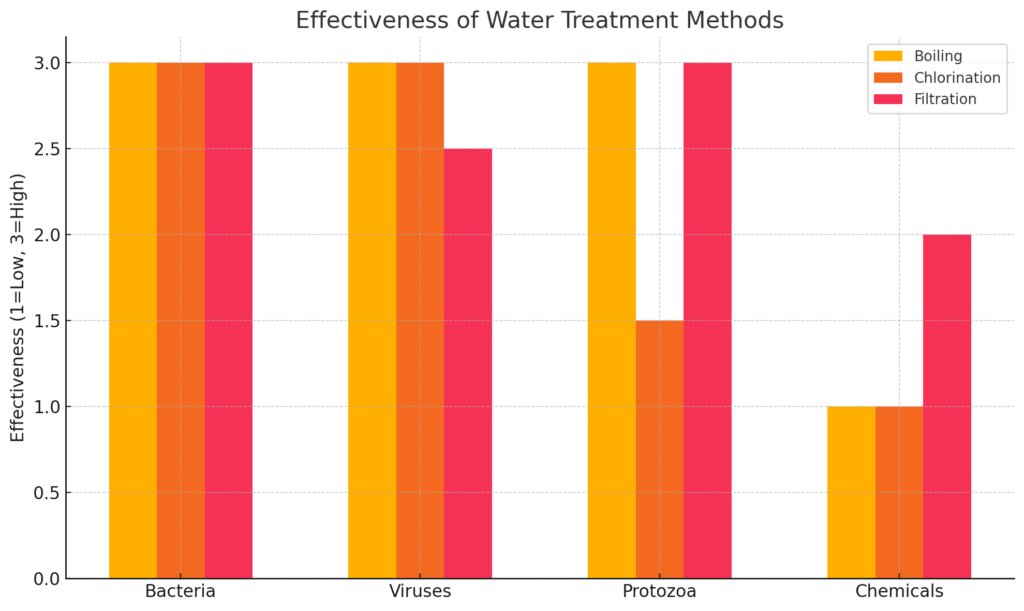
In the event of a prolonged water outage, be prepared to access and treat alternative water sources safely. Here are some methods to purify water:
- Boiling: Bring water to a rolling boil for at least one minute to kill most harmful organisms.
- Chlorination: Use unscented household bleach (5.25% sodium hypochlorite) to disinfect water. Add 1/8 teaspoon per gallon of clear water or 1/4 teaspoon per gallon of cloudy water, mix thoroughly, and let stand for 30 minutes before using.
- Filtration: Use a commercial water filter designed to remove bacteria, protozoa, and viruses.
Water Contaminant | Boiling Effectiveness | Chlorination Effectiveness | Filtration Effectiveness |
Bacteria | High | High | High |
Viruses | High | High | Moderate to High |
Protozoa | High | Low to Moderate | High |
Chemicals | Low | Low | Low to Moderate |
Remember, water service interruption preparedness is key to ensuring your family has access to safe drinking water during emergencies. By having a plan and the necessary supplies, you can face water supply disruptions with confidence.
Waterborne Diseases and Immunocompromised Individuals
In the United States, the safety of our water supplies is a significant achievement. Yet, the threat of waterborne diseases remains, affecting those with weakened immune systems most. This includes individuals with HIV/AIDS, those undergoing chemotherapy, or taking steroids. They are more vulnerable to harmful microbes like Cryptosporidium in their drinking water. Healthcare professionals in Utah can find information on waterborne disease risks on the Recognizing Waterborne Disease website.
The World Health Organization (WHO) states that diarrhea is characterized by loose or liquid stools occurring three or more times daily. In the U.S., about 179 million cases of acute gastroenteritis happen each year. Foodborne contamination is responsible for nearly 48 million cases, leading to 128,000 hospitalizations and 3,000 deaths annually. Diarrhea is a major killer among children under five, causing 9% of their deaths, or around 440,000 annually.
Campylobacter is the leading bacterial pathogen in the U.S., causing an estimated 1.5 million infections yearly. Clostridioides difficile infections occur at a rate of 8.3 cases per 10,000 patient days in hospitals. In areas with limited resources, Shigella dysenteriae serotype 1 and Vibrio cholerae cause widespread outbreaks. Enterotoxigenic Escherichia coli (ETEC) is the top cause of traveler’s diarrhea, affecting 30% to 70% of travelers during a two-week trip. Utah residents, and those with compromised immune systems, should be cautious of waterborne disease risks and take steps to ensure their water’s safety.
FAQ
Is it safe to drink tap water in Utah?
Yes, tap water in Utah generally meets state and federal water quality standards. Some consumers might notice taste, smell, or appearance issues. These do not necessarily indicate a health concern.
How are public water systems regulated in Utah?
Public water systems in Utah must follow water quality standards set by the Environmental Protection Agency (EPA) and the Utah Division of Drinking Water. These standards cover over 100 chemical and bacteriologic contaminants.
How often is Utah’s drinking water tested?
Public water systems in Utah test their water regularly. The frequency varies by system size. Each year, systems must provide a Consumer Confidence Report (CCR) detailing their testing results.
Where does Utah’s drinking water come from?
Utah’s drinking water sources include surface water from the Wasatch Mountains and groundwater from wells and springs.
Are there any concerns about lead in Utah’s drinking water?
Salt Lake City’s main water lines are lead-free. The city is working to replace lead service lines in buildings before 1986. This is when the Safe Drinking Water Act banned lead pipes.
What is Salt Lake City Public Utilities doing to ensure safe drinking water?
Salt Lake City Public Utilities tests for over 90 contaminants according to EPA standards. The city’s water consistently meets or exceeds these standards. They are also replacing all lead service lines.
How can I interpret my water quality test results in Utah?
The Water Quality Interpretation Tool by USU Extension Services helps users understand their water quality data. It provides information on drinking water, irrigation, livestock, and environmental standards.
What causes unusual tastes, smells, or appearances in Utah’s tap water?
Tap water in Utah may have unusual tastes, smells, or appearances, despite meeting safety standards. These issues can be due to older plumbing in homes. The EPA offers a guide to help identify the cause.
Are private wells and springs regulated in Utah?
Private wells and springs in Utah are not regulated by the Utah Division of Drinking Water. They may be subject to local health department rules. The EPA advises on safeguarding private water supplies.
Is water filtration necessary for tap water in Utah?
From a public health perspective, water filtration is not necessary for tap water in Salt Lake City Public Utilities. The water is safe to drink directly from the tap. Yet, some residents may choose filters for aesthetic or flavor preferences.
Is bottled water safer than tap water in Utah?
Bottled water in Utah is regulated by the Utah Department of Agriculture and Food, with less stringent standards than public water systems. Tap water in Utah is regularly tested for safety and is more environmentally friendly than bottled water.
Is fluoride added to Utah’s public water supplies?
Salt Lake County Health Regulation #33 requires most public water systems in the county to add fluoride. This aims to reach a recommended level of 0.7 milligrams per liter. Fluoride has been shown to reduce cavities in children and adults.
What should I do in case of a water supply interruption in Utah?
Utahns should have a plan for emergency water supply during service interruptions. The state offers guidance on preparing for such situations. This includes storing enough water and knowing how to safely access and treat alternative water sources if needed.
Are immunocompromised individuals at a higher risk for waterborne diseases?
People with weakened immune systems, such as those with HIV/AIDS, undergoing chemotherapy, or taking steroids, may be more susceptible to microbial contaminants like Cryptosporidium in drinking water. The Recognizing Waterborne Disease website provides an overview of public health issues related to water supply.