The Lowdown on Haloacetic Acids (HAA5) in Brooklyn Tap Water
- Published:
- Updated: December 16, 2024
Listen to this article
Summary
Haloacetic Acids (HAA5) in Brooklyn tap water are a concern due to their formation during water disinfection processes.
- HAA5 can pose health risks, especially with long-term exposure.
- EPA standards regulate HAA5 levels, but safety isn’t guaranteed.
- Individual actions and community advocacy are crucial for ensuring safe water.

The tap water in your Brooklyn apartment could have an unsavory secret, that’s not being disclosed. While we might think our water is pure and clean, there might be elements below that are harmful to our health. The one of these categories is Haloacetic Acids (HAA5) — an end product of the disinfection process. It is extremely important to know about HAA5, what it is, and how you can combat it if you and your family are to thrive.
What Are Haloacetic Acids (HAA5)?
Haloacetic Acids, they are the byproducts of water disinfection. These chemicals are created as chlorine – which is used as a disinfectant – reacts with organic matter in the water naturally. They are classified into five groups: monochloro, dichloro, trichloro, monobromo and dibromoacetic acids, or HAA5 in general.
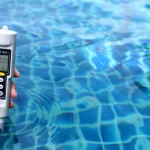
We need to know the chemistry of HAA5 so that we can understand just how ubiquitous such compounds are. They not only lurk in bottled drinking water, but also in swimming pools, hot tubs and even in beverages. Understanding what they are and how they grow is the first step towards limiting their numbers and the risk.
The Environmental Protection Agency (EPA) Standards

The EPA has developed regulations for how much HAA5 is allowed into public water sources. The agency’s contaminant limit is 60 parts per billion, calculated to strike a compromise between risk and treatment viability. But "acceptable levels" are arbitrary and don’t necessarily reflect exposure or at risk groups over the long term.
Even if water quality is up to EPA requirements, that does not mean it is uninhabitable. Even well below the threshold of regulations can build up, particularly among children and pregnant women. Those "acceptable" standards also assume that HAA5 is the only contamination, not accounting for a toxic mixed bag of contaminant sources.
Brooklyn's Water Quality Reports: An Analysis
The water on the tap in Brooklyn comes from a system of reservoirs and lakes in the surrounding area. The city’s Department of Environmental Protection publishes water quality reports, which include HAA5 data every year. Typically, Brooklyn’s water is within the EPA guidelines, but keep in mind that these guidelines are not safe.
Here are some things to know about Brooklyn’s water quality when you look at the rest of the city. Older infrastructure or weaker water treatment facilities tend to be in the top 10 HAA5 cities. This does put Brooklyn in a sort of buffer, but it doesn’t mean each home won’t need to be aware.
Why You Should Be Concerned
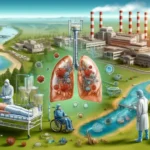
Health issues linked to HAA5 use are both serious and unproven. These chemicals have been implicated in cancer, fertility and even maldevelopment in children. Acute exposures aren’t necessarily fatal, but long-term exposures are.
Even vulnerable groups are more vulnerable. Kids, pregnant women and seniors have an increased rate of water contaminating. Thus "safe" doses for the general population aren’t safe for these populations. Communities need to think about these when they determine "water safety".
Mitigation Measures in Brooklyn
The City of Brooklyn has taken a series of mitigation steps against HAA5. This includes replacing old infrastructure, upgrading filtration, and upgrading water treatment systems. All of these efforts reduce HAA5 concentrations in municipal water supplies.
But even in this, there are periodic highs in HAA5 levels. This variability is a reason why we must be alert all the time, and why we should use separate level water filters.
How to Protect Yourself and Your Family
There are things you can do at home if you’re worried about HAA5 in your tap water:
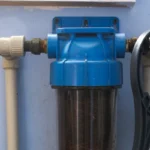
Filters with activated carbon filter that have been approved for HAA5 decontamination.
Boiling water won’t dissolve HAA5; distillation machines will.
Buying bottled water (that is, filtered and HAA5 tested water).
As there is no ‘magic bullet’ solution, the best thing to do is a combination of these. You’ll want to test your water on a regular basis, even if you have filtration, to make sure they are functional and in good condition.
Stay Informed and Active: Your Role as a Consumer
Knowledge is your biggest water-quality armory. -Read your water quality report each year and know what that tells you about your home. These reports usually have HAA5 information and possibly other contaminants to give you a general idea of what you’re getting into.
Your voice matters. Join or donate to community water quality organizations. Petitions, public meetings and council meetings are all places where consumer groups can push for better water treatment and more regulations.
International Perspective: How Does Brooklyn Compare?
And for HAA5, there’s a global picture to be drawn from. In Scandinavia, for example, tap water is some of the purest due to the technology of filtration. Meanwhile, poor countries have a far more extensive problem with water pollution, of which HAA5 is but one.
If you know how Brooklyn is globally related, it can be a relief or a wake-up call. Either way, it should be constant improvement of water quality.
Understanding the Sources and Formation of HAA5
HAA5 forms when chlorine used to clean water reacts with organic matter in the water. This isn’t just a process that happens with faucet water; it’s also a common happening with swimming pools and hot tubs. Identifying these sources allows for a better comprehension and control of HAA5 risk.
Conclusion: Addressing HAA5 in Brooklyn's Tap Water
Finally, even though Brooklyn’s water quality averages within EPA HAA5 guidelines, be on your guard as there are potential health issues. Know where and how HAA5 is coming from, use effective filters, and advocate for tougher regulations and improved water treatment in order to make sure your drinking water stays safe. Monitoring and citizen participation continue to shield public health from HAA5 hazards.
Share this on social media:
Facebook
Twitter
LinkedIn

Related Posts